1185 W Carmel Dr. #D2, Carmel, IN 46032

Why Is a Healing Cap Used After Anterior Implant Surgery?

If you have recently had a dental implant placed in the front of your mouth, you may notice a small component called a healing cap extending through the gum. Seeing something attached to your implant during the healing process can be surprising, but it is an important part of some implant treatment plans.
A healing cap helps guide and protect the gum tissue around a dental implant as the implant heals and prepares for its final restoration. It can help shape the soft tissue around the future crown, particularly when replacing a visible front tooth.
The exact timing and type of healing component used depends on how your implant was placed, the condition of your gums and bone, and your dentist’s treatment plan.
What Is a Healing Cap?
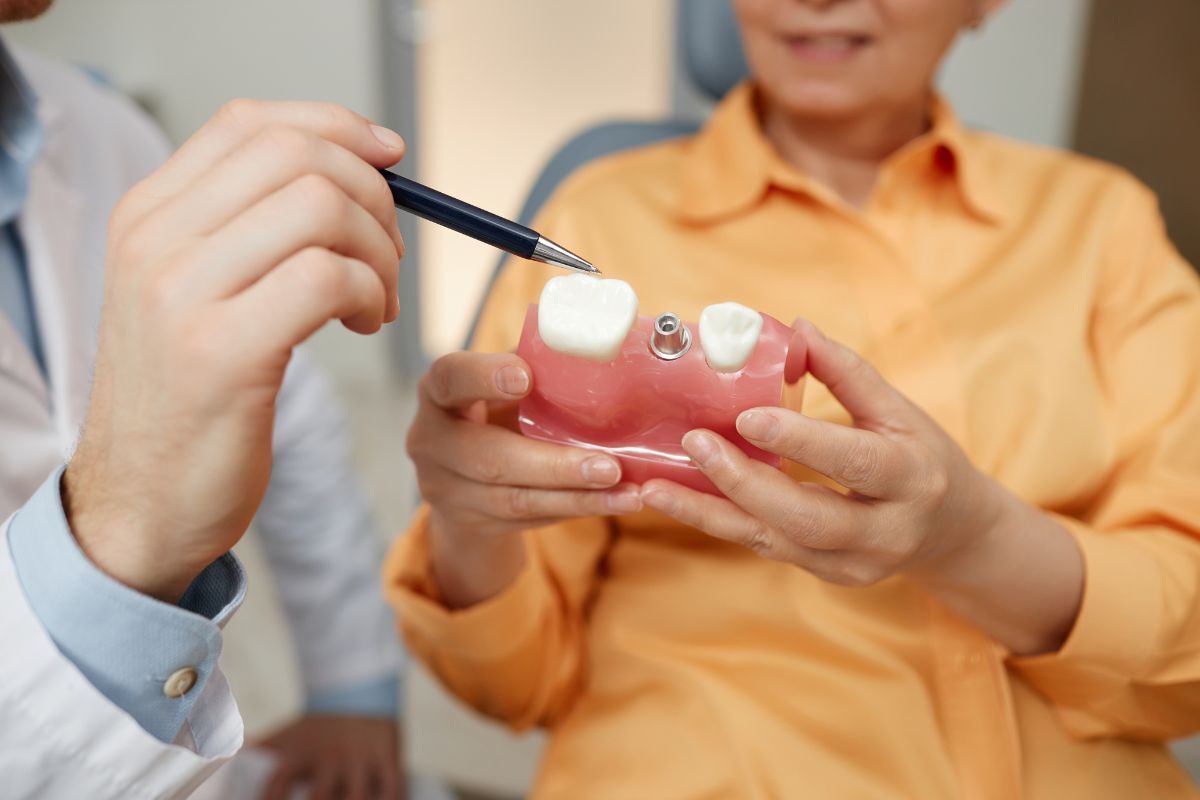
A healing cap is a small component connected to a dental implant during the healing stage. It may also be referred to as a healing abutment in some clinical settings, although terminology can vary depending on the component and implant system being used.
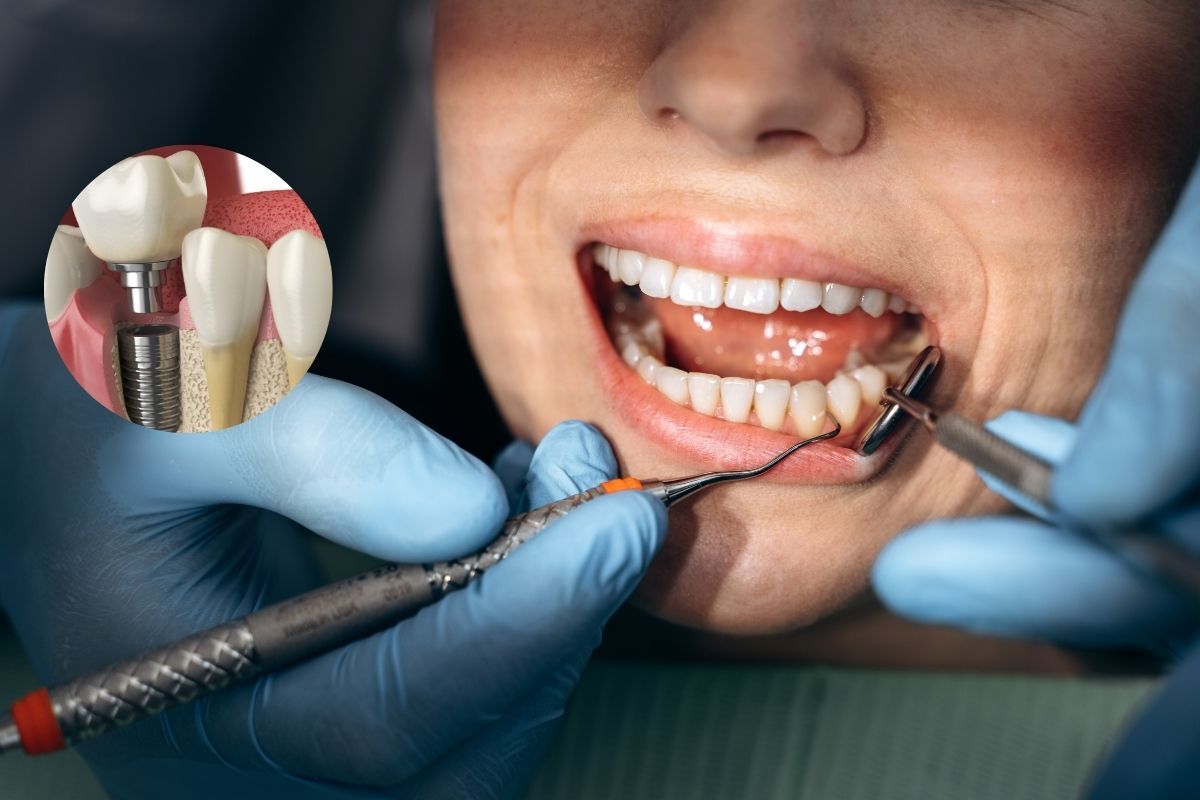
A dental implant itself replaces the root of a missing tooth. After the implant is placed into the jawbone, the bone needs time to integrate with it through a process called osseointegration.
The healing cap sits above the implant and allows the surrounding gum tissue to heal around the implant site.
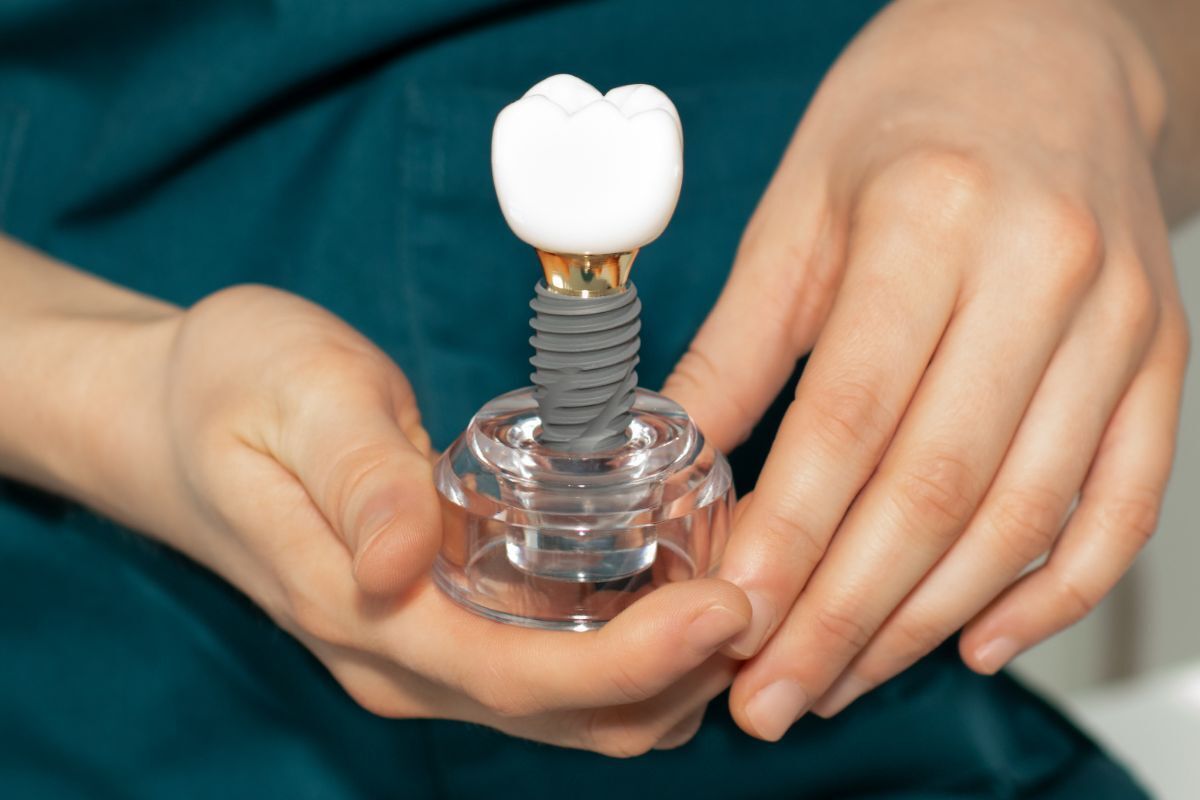
A typical dental implant has three main components:
- Implant: The portion placed into the jawbone that functions as an artificial tooth root.
- Abutment: The connector between the implant and the final restoration.
- Crown: The visible replacement tooth.
In some treatment approaches, a healing component is placed during a later stage after the implant has integrated with the bone. In other cases, the implant and healing component may be managed differently depending on the surgical approach.
Why Does a Front Tooth Implant Need a Healing Cap?
Replacing a front tooth involves more than simply creating a stable foundation for a crown. The appearance and contour of the gum tissue are also important.
The gumline around a front tooth is highly visible when you smile. A healing cap can help the soft tissue develop an appropriate contour around the implant site before the final crown is placed.
This can contribute to:
- A more natural-looking gumline
- Proper soft-tissue healing around the implant
- Appropriate space and shape for the final restoration
- A smoother transition between the crown and surrounding gum tissue
The goal is to create a healthy foundation for the final implant crown while the implant continues through its healing process.
How Does a Healing Cap Work?
After the healing cap is placed, the surrounding gum tissue gradually adapts around it.
The healing cap provides a physical guide for the soft tissue. Rather than allowing the gum tissue to heal without a defined contour, the component helps establish the shape needed around the future restoration.
This is particularly important in the anterior region, where even small differences in gum contour can affect the appearance of the smile.
However, the healing cap does not replace the implant’s role in bone integration. The implant still needs adequate time to become stable within the jawbone.
Healing Cap vs. Dental Implant: What’s the Difference?
It is easy to confuse the healing cap with the implant itself.
They are different components.
The dental implant is the portion surgically placed into the jawbone. It acts as the artificial tooth root.
The healing cap is a temporary component connected to the implant during the healing process. It extends through or shapes the surrounding gum tissue.
The healing cap is therefore not the part that replaces the tooth root. Instead, it supports the soft-tissue healing and restoration process.
What Happens After the Healing Cap Is Placed?
Your treatment sequence will depend on your individual case.
A common implant process includes:
- Implant evaluation: Your dentist evaluates your teeth, gums, bone, medical history, and treatment goals.
- Implant placement: The dental implant is surgically placed into the jawbone.
- Healing and osseointegration: Bone gradually integrates with the implant, providing stability.
- Healing component placement: A healing cap or healing abutment may be placed as part of the treatment plan.
- Soft-tissue shaping: The gum tissue heals around the component.
- Final restoration: Once the implant and surrounding tissues are ready, the abutment and final crown are placed.
Not every patient follows exactly the same sequence. Some implants use a different surgical and restorative protocol, so your dentist will explain where the healing cap fits into your treatment.
How Long Does a Healing Cap Stay in Place?
There is no single healing-cap timeline that applies to every patient.
The healing component may remain in place for a period determined by:
- Implant stability
- Bone quality and quantity
- Whether bone grafting was performed
- Gum-tissue condition
- Location of the implant
- Type of implant procedure
- Timing of the final crown
- Your individual healing response
The implant itself commonly requires several months to integrate with the jawbone. The American Association of Endodontists describes a typical implant process as involving several months of healing before the implant is restored, although individual treatment timelines vary.
Your dentist will determine when the implant and surrounding tissues are ready for the next stage.
Is It Normal to See the Healing Cap?
Yes. If your treatment plan includes a healing cap designed to extend through the gum, you may be able to see or feel a small portion of it.
It may feel unusual at first because it is different from a natural tooth.
You may notice:
- A small metal or tooth-colored component near the gumline
- Mild tenderness around the surgical site
- Some sensitivity while the tissue heals
- A feeling of pressure or awareness around the implant
These sensations can change as the area heals.
Follow the specific postoperative instructions provided by your dental team.
Can You Eat With a Healing Cap?
Your dentist will give you specific instructions based on the location of the implant and the type of restoration or temporary tooth you have.
In general, you may be advised to avoid placing excessive pressure on the healing implant, particularly during the early healing period.
For an anterior implant, this can mean being careful with foods that require biting directly with the front teeth.
Your dentist may recommend softer foods temporarily and explain when you can gradually return to your normal diet.
Do not test the implant by biting hard foods with the healing cap. The implant needs time to stabilize within the bone.
Can You Brush Around a Healing Cap?
Good oral hygiene remains important during implant healing, but the surgical area may require modified cleaning instructions.
Your dental team may recommend:
- Using a soft-bristled toothbrush
- Cleaning carefully around the healing component
- Following any prescribed rinsing instructions
- Avoiding aggressive brushing directly over healing tissue
- Keeping regular follow-up appointments
Do not assume that more aggressive cleaning is better. The goal is to keep the area clean without traumatizing healing tissues.
Follow the cleaning instructions provided specifically for your implant.
What Symptoms Should You Report?
Some tenderness and swelling can occur after implant surgery, but your dental team should know if you develop symptoms that concern you or appear to be worsening.
Contact your dentist if you experience:
- Increasing rather than improving pain
- Significant or worsening swelling
- Persistent bleeding
- Pus or unusual drainage
- Fever
- A noticeably loose implant component
- Increasing redness or tenderness
- Difficulty with the temporary restoration
- Any other unexpected change around the implant
Prompt evaluation can help identify problems before they interfere with healing.
Frequently Asked Questions
1. What is the purpose of a healing cap after implant surgery?
A healing cap helps guide and protect the gum tissue around a dental implant during healing and can help establish the soft-tissue contour needed for the final restoration.
2. Is a healing cap the same as an abutment?
Not always. The terms can be used differently depending on the implant system and treatment stage. Your dentist can identify the specific component used in your treatment.
3. How long does a healing cap stay in?
There is no universal timeframe. The timing depends on implant stability, bone and gum healing, surgical approach, and when the final restoration is ready.
4. Can I eat normally with a healing cap?
Your dentist will tell you when and how you can resume your normal diet. You may need to avoid hard foods or direct biting pressure on the implant during healing.
5. Can I brush my teeth with a healing cap?
Usually, maintaining oral hygiene remains important, but you may need to modify how you clean around the healing component. Follow your dentist’s specific instructions.
6. What should I do if my healing cap comes loose?
Contact your dentist promptly. Do not attempt to tighten or replace the component yourself.
7. Does a healing cap mean my dental implant has healed?
No. A healing cap is part of the soft-tissue and restorative process. Its presence does not necessarily mean that the implant has completed osseointegration.
8. Will I have a gap while my front tooth implant heals?
Not necessarily. Depending on your implant stability and treatment plan, your dentist may provide a temporary tooth or another temporary solution while the implant heals.
9. When will my permanent implant crown be placed?
The final crown is placed after your dentist determines that the implant and surrounding tissues are sufficiently healed and stable for restoration. The timing varies between patients.
Caring for Your New Implant Starts During Healing
A healing cap is a small component, but it plays an important role in the transition from implant surgery to your final replacement tooth.
For an anterior dental implant, successful treatment involves more than simply placing an implant. The bone, gum tissue, healing process, bite, and final crown all need to work together.
At Alvarez Family Dentistry in Carmel, we can evaluate your missing tooth and discuss whether dental implant treatment is appropriate for your smile, oral health, and long-term goals.
If you’re considering an implant for a missing front tooth or have questions about the healing process after implant surgery, visit our dental practice for an evaluation. We can explain each stage of treatment, including implant healing, soft-tissue management, and the final restoration.
Book an appointment with Alvarez Family Dentistry today to discuss your dental implant options.