
1185 W Carmel Dr. #D2, Carmel, IN 46032

How Bone Loss Affects Dental Implant Success: Causes, Risks, and Treatment Options
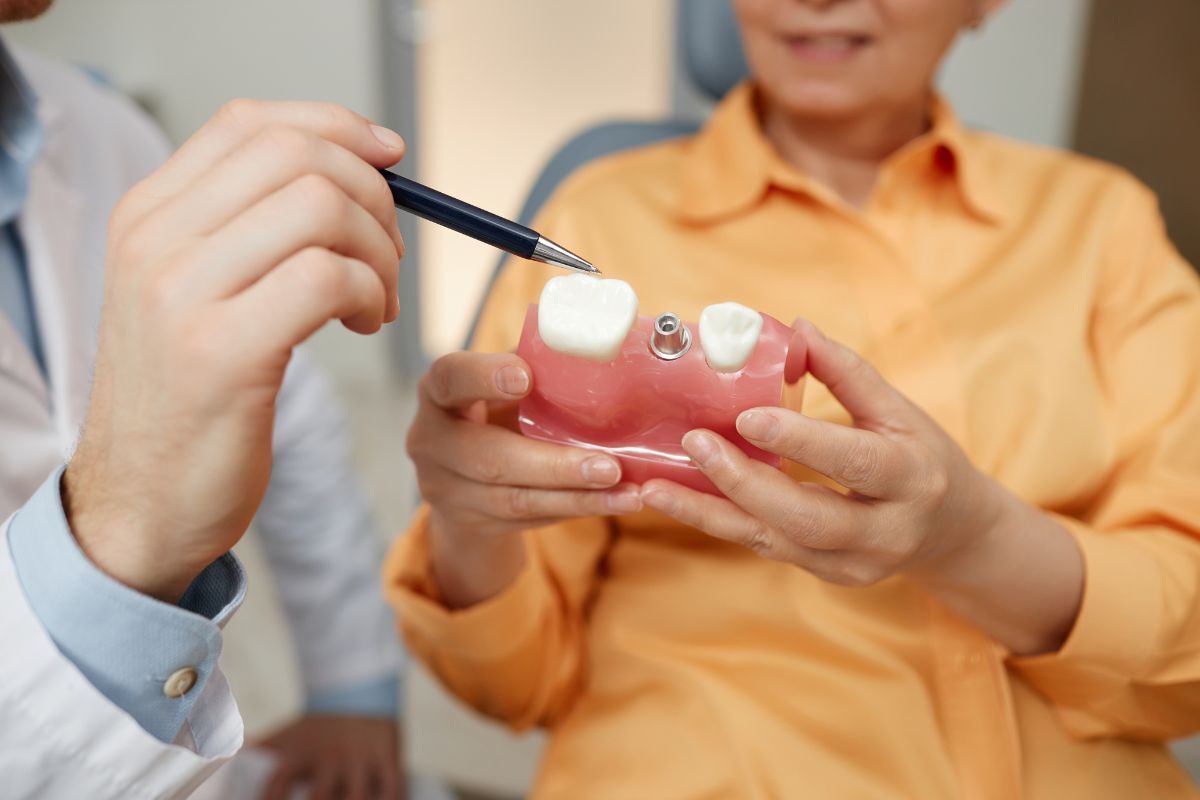
Have you been considering a tooth implant procedure but worry that reduced jawbone volume could affect the outcome? Or perhaps you already have an implant-supported restoration and have been told there are signs of bone changes around it. These are common concerns among patients seeking permanent tooth replacement. The truth is that jawbone health plays a major role in long-term implant stability.
At Alvarez Family Dentistry, Dr. Alvarez frequently helps patients understand how changes in bone structure can influence treatment planning and recovery. Whether you live in Carmel, Westfield, Fishers, Noblesville, or Zionsville, our team explains how bone support relates to implant dentistry to help you make informed decisions.
If you are considering dental implants in Carmel, knowing the causes, risks, and treatment options associated with bone loss can help you protect your investment in your smile.
Does Bone Loss Affect Dental Implant Success?
Yes, bone loss can affect implant success because these restorations rely on healthy jawbone support to remain stable and function properly.
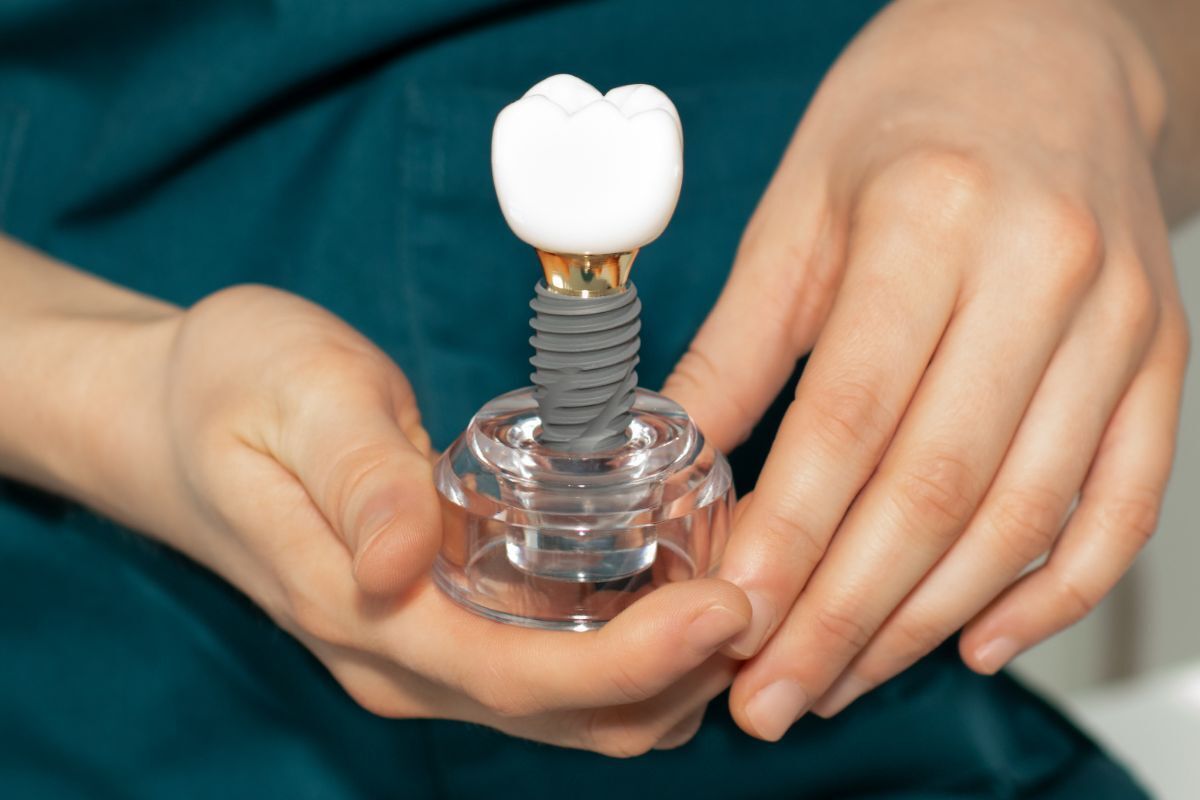
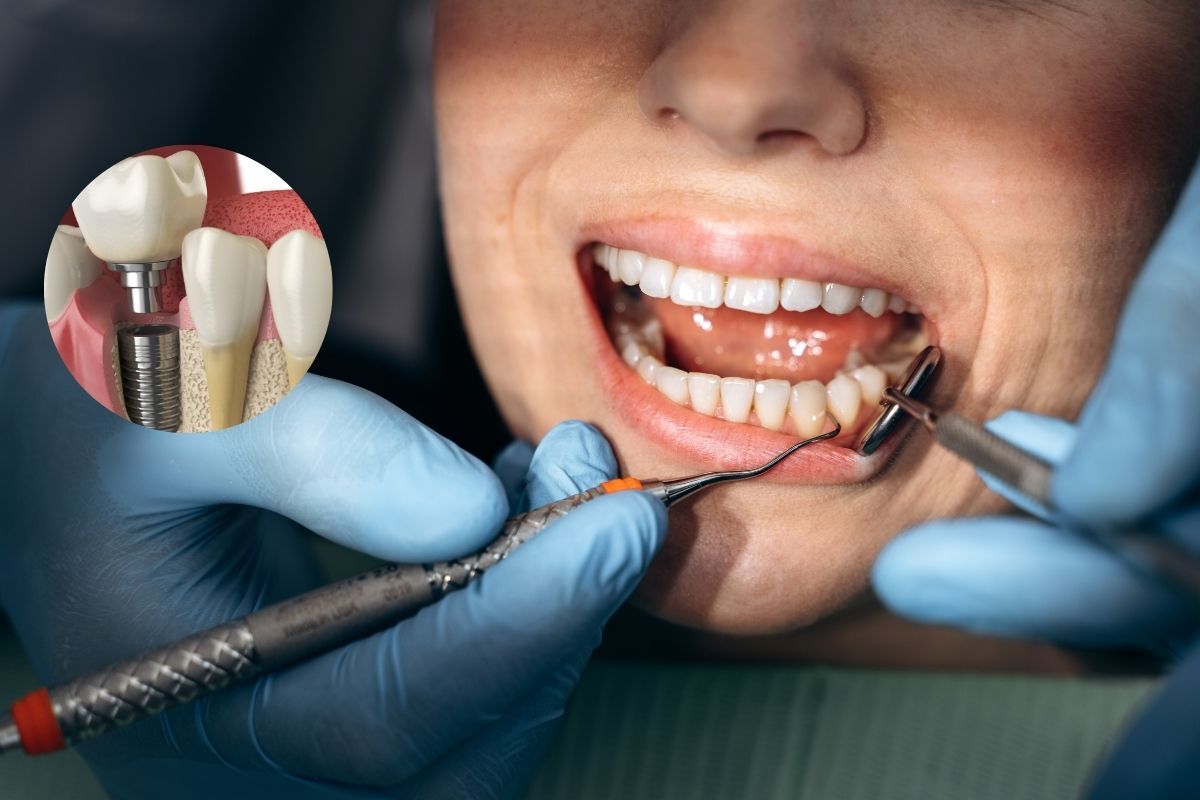
Artificial tooth roots are designed to fuse with the surrounding bone through a process called osseointegration. When the jaw lacks adequate volume or density, achieving long-term stability becomes more challenging.
This does not automatically mean implant treatment is impossible. Modern dental implant treatment often includes procedures that rebuild or strengthen the jaw before or after placement. The key is to identify the issue early and create an appropriate treatment plan.
Why Does Bone Loss Happen Around Missing Teeth and Implants?
The jawbone remains strong when it receives regular stimulation from natural tooth roots. When a tooth is lost, that stimulation disappears.
Common Causes of Bone Loss
Tooth Loss Left Untreated
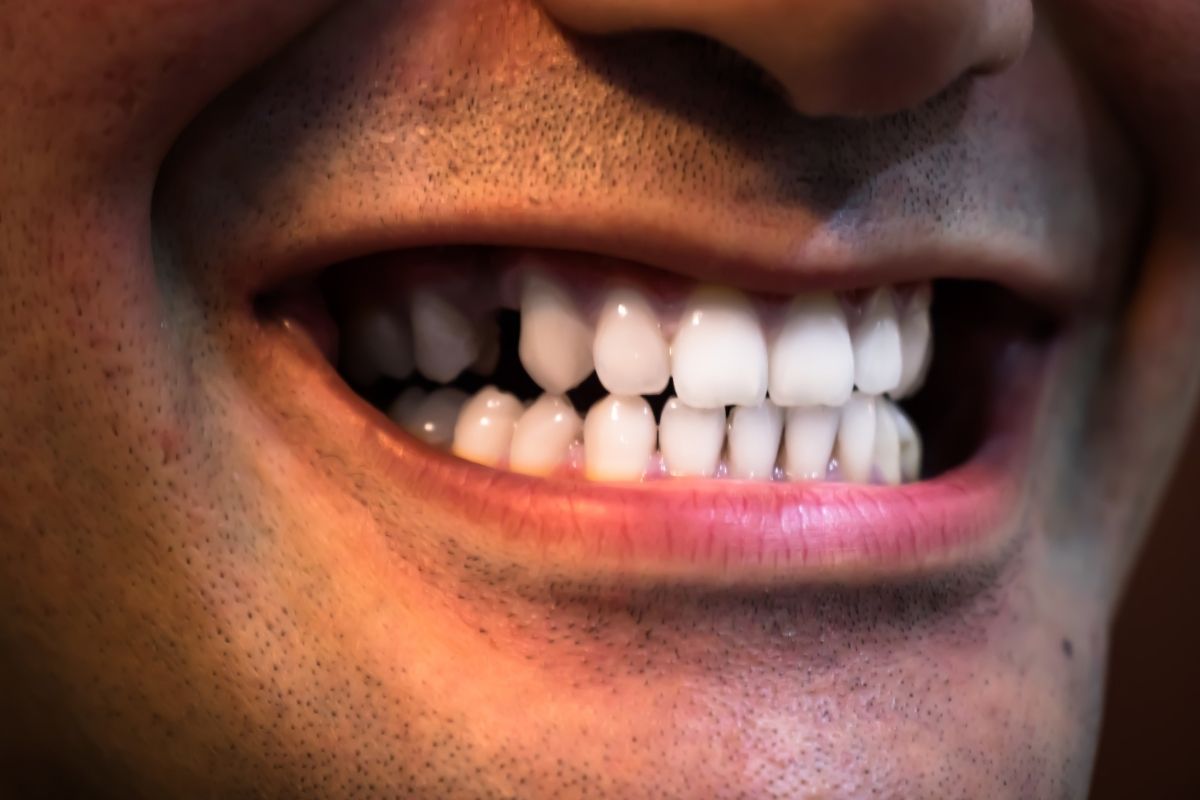
After a tooth is lost, the surrounding jaw begins to shrink. Many patients are surprised by how quickly this process can start.
Gum Disease
Periodontal disease damages the structures supporting teeth and implants. Advanced infection can gradually reduce the bone surrounding an implant-supported crown or natural tooth.
Smoking and Tobacco Use
Tobacco products can interfere with healing and reduce blood flow to oral tissues, increasing the likelihood of complications.
Bite Pressure Problems
Excessive grinding or uneven bite forces can place stress on an implant-supported restoration and surrounding structures.
Medical and Healing Factors
Conditions affecting bone metabolism, healing capacity, or immune function may contribute to reduced bone support over time.
What Risks Does Bone Loss Create for Dental Implants?
Reduced bone support increases the risk of implant instability, complications, and treatment failure if left untreated.
Fortunately, many issues can be managed when detected early.
Implant Mobility
An implant depends on adequate bone contact for stability. As support decreases, movement may occur.
Changes in Appearance
Jawbone shrinkage can alter facial contours and affect the appearance of replacement teeth.
Difficulty Chewing
Patients may notice decreased comfort while eating or reduced chewing efficiency.
Increased Risk of Peri-Implant Disease
Inflammation and infection around implants can accelerate bone deterioration if not professionally managed.
In clinical practice, it is not unusual to see patients who delayed follow-up visits because they felt no pain. By the time symptoms appeared, significant changes had already occurred. Routine monitoring helps identify concerns before they become larger problems.
What Are the Warning Signs of Bone Loss Around an Implant?
Many people assume there will be obvious symptoms. In reality, early stages may go unnoticed.
Signs That Require Evaluation
- Persistent gum inflammation around the implant
- Bleeding during brushing
- Receding gum tissue
- Changes in bite alignment
- Implant mobility
- Discomfort while chewing
- Visible spaces developing around the implant
If you find yourself searching for a ‘dentist near me’ because something feels different around an implant, do not wait for symptoms to worsen. Early evaluation often provides more treatment options.
Can You Still Get Dental Implants If You Have Bone Loss?
In many cases, yes, you can have implants if you suffer from bone deterioration. Modern implant dentistry offers several techniques that can help rebuild the supporting tissues before implant placement.
Patients are often told they lack enough bone and assume they are not candidates for treatment. However, advances in implant dentistry have expanded treatment possibilities significantly.
At Alvarez Family Dentistry, Dr. Alvarez evaluates bone quality, anatomy, and overall oral health before recommending treatment.
Patients from Carmel and surrounding communities often qualify for implant procedures after preparatory care.
Treatment Options for Bone Loss Around Dental Implants
The appropriate treatment depends on the severity and cause of the problem.
Bone Grafting
Bone grafting remains one of the most common solutions.
This procedure adds grafting material to areas where support has diminished. Over time, the body integrates the material, creating a stronger foundation.
Guided Bone Regeneration
Specialized membranes may be used to encourage new bone growth while protecting the treatment site.
Treatment of Gum Disease
When infection contributes to bone deterioration, controlling bacterial activity becomes essential before additional restorative work.
Replacement of Failing Components
In some situations, damaged restorations or components may need adjustment or replacement to improve long-term stability.
Whether the concern involves a single tooth or full-mouth dental implants, prompt intervention improves the likelihood of preserving existing structures.
How Can Patients Protect Their Dental Implant Investment?
Long-term success requires more than a successful tooth implant surgery.
Schedule Regular Professional Evaluations
Routine examinations allow providers to monitor bone levels and detect changes early.
Maintain Excellent Oral Hygiene
Daily brushing and cleaning around implants reduce bacterial buildup.
Address Bite Issues
Nightguards and bite adjustments can help reduce excessive pressure.
Stop Tobacco Use
Reducing tobacco exposure supports healthier healing and tissue maintenance.
Follow Recommended Maintenance Visits
Ongoing dental treatment plays a major role in protecting implant restoration outcomes.
Patients who remain consistent with professional follow-up appointments generally have greater opportunities to address concerns before significant complications develop.
Why Professional Monitoring Matters After Implant Placement
Many patients believe treatment ends once replacement teeth are attached. In reality, long-term monitoring is an important part of care.
A properly maintained implant-supported restoration can provide many years of function. However, regular evaluations allow your provider to assess bone health, gum condition, bite function, and overall implant performance.
At Alvarez Family Dentistry, post-operative monitoring helps patients from Carmel, Fishers, Westfield, Noblesville, and Zionsville protect their investment in implant treatment and address concerns promptly before they affect treatment outcomes.
Before small issues become larger ones, visit our dental office in Carmel for a comprehensive implant evaluation and ongoing maintenance care.
Protect Your Smile With Professional Implant Care
Bone loss can affect the stability and longevity of implants, but it does not automatically prevent successful treatment. Early diagnosis, proper maintenance, and appropriate intervention often make a significant difference. Whether you are considering dental implants in Carmel or have concerns about an existing implant, professional evaluation remains the most reliable way to understand your options.
At Alvarez Family Dentistry, Dr. Alvarez helps patients navigate every stage of implant care, from planning and placement to long-term monitoring. If you have questions about implant health, missing tooth replacement, or ongoing dental treatment, book an appointment today by calling +13178461573. Visit us at 1185 W Carmel Dr #D2, Carmel, IN 46032, and learn how dental implants in Carmel can be supported through proactive care and personalized treatment planning.
Frequently Asked Questions
1. Can bone loss around an implant be reversed?
Bone that has already been lost typically does not regenerate on its own. However, grafting procedures and other therapies may help rebuild support in certain situations. A professional evaluation can determine whether treatment is appropriate and help prevent further deterioration through ongoing monitoring and maintenance.
2. How often should implants be checked after placement?
Most patients benefit from routine examinations and professional cleanings at intervals recommended by their provider. These visits allow early detection of tissue inflammation, structural changes, and developing complications before they affect implant stability or require more extensive treatment.
3. Is bone grafting always required before implant placement?
No. The need for grafting depends on the amount and quality of available jawbone. Some patients have sufficient support for immediate placement, while others benefit from preparatory procedures that create a stronger foundation for long-term implant success.
4. Can implant-supported dentures be affected by bone loss?
Yes. Although implant-supported dentures provide excellent stability, they still depend on healthy supporting structures. Regular follow-up appointments help monitor changes and ensure the restoration continues to function comfortably and effectively over time.
5. What should I do if my implant feels loose?
A loose implant should be evaluated promptly. The issue may involve the implant itself, surrounding tissues, or a restorative component. Seeking professional care early improves the chances of identifying the cause and determining the most appropriate treatment approach before additional complications develop.