1185 W Carmel Dr. #D2, Carmel, IN 46032

Do You Need Deep Cleaning Before Getting Dental Implants? A Clinical Guide
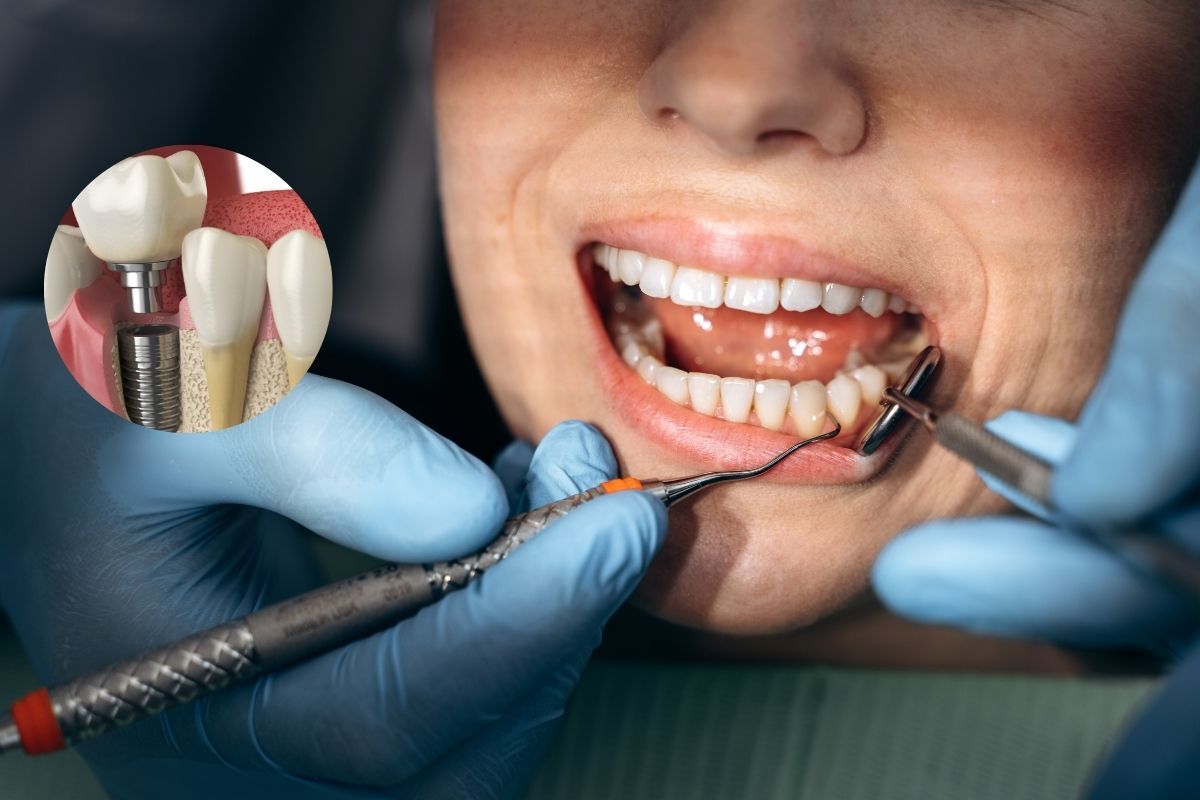
Replacing a missing tooth is one of the most effective ways to restore your smile, oral health, and ability to eat comfortably. However, a successful restoration depends entirely on the stability of the foundation supporting it: your jawbone and gum tissue. Patients often ask whether a deep cleaning procedure, clinically known as scaling and root planing, is necessary before undergoing surgical placement.
At Alvarez Family Dentistry, Dr. Keith Alvarez provides detailed oral health evaluations to ensure your gums are completely healthy before moving forward with restoring your missing teeth with dental implants in Carmel. If you are considering tooth replacement options, we invite you to visit our dental office for a personalized consultation.
What Is Deep Cleaning and Why Might You Need It First?
A deep cleaning (scaling and root planing) is a specialized non-surgical treatment designed to eliminate bacterial plaque and hardened tartar from beneath the gumline. This procedure smooths the root surfaces of the teeth to eradicate active infection, reverse gum inflammation, and promote tissue reattachment. Performing a deep cleaning before surgery ensures that the surrounding oral environment is free from dangerous oral pathogens that could jeopardize healing.
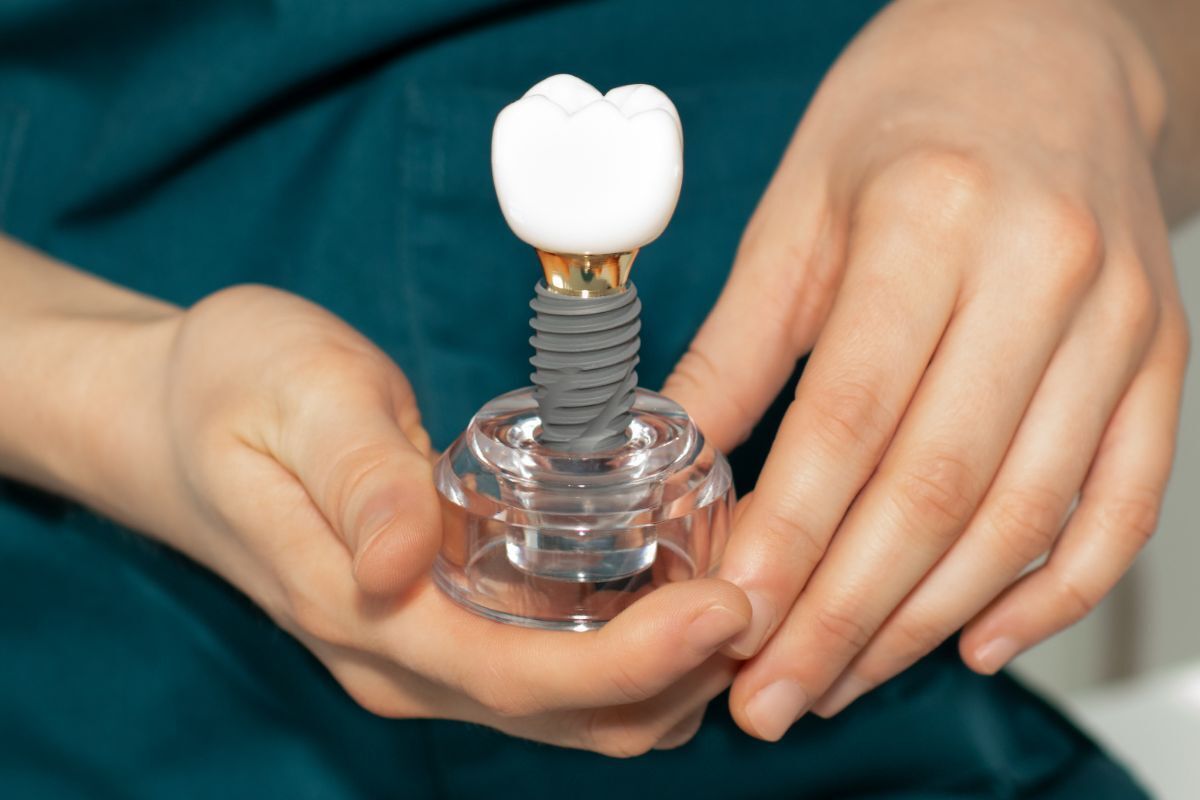
When preparing for tooth replacement, placing a titanium post into infected or inflamed tissues dramatically increases the risk of early failure. Deep cleaning neutralizes chronic inflammation and sets up a sterile, supportive environment for osseointegration, the physiological process where the jawbone fuses directly with the surgical post.
Scaling vs. Root Planing: Understanding the Difference
- Scaling: The careful mechanical removal of plaque, microbial biofilms, and calculus deposits located both above and below the gumline.
- Root Planing: The detailed smoothing of tooth root structures to eliminate bacterial toxins and prevent future microorganism adhesion.
The Role of Gum Health in Surgical Success
Healthy gum tissue acts as a protective biological seal around a dental implant, preventing harmful bacteria from penetrating deep into the underlying jawbone. According to data from the National Institute of Dental and Craniofacial Research (NIDCR), nearly 47% of adults aged 30 and older in the United States show signs of periodontal disease.
If periodontal infection is present when an implant is placed, bacteria can easily migrate into the surgical site, predisposing the patient to a severe inflammatory condition known as peri-implantitis.
Comparing Standard Cleaning vs. Deep Cleaning Prior to Surgery
| Clinical Parameter | Routine Dental Prophylaxis | Deep Cleaning (Scaling & Root Planing) |
|---|---|---|
| Primary Target | Preventive removal of surface plaque above the gumline | Therapeutic removal of deep subgingival tartar and root toxins |
| Indication | Healthy gums or mild surface gingivitis | Active periodontal disease, deep gum pockets, or bone loss |
| Impact on Implants | Maintains clean enamel after surgery | Eradicates deep tissue bacteria required before surgery |
| Anesthesia Used | Typically none required | Local anesthesia applied for complete patient comfort |
How Periodontal Microorganisms Threaten Jawbone Stability
Microorganisms associated with chronic periodontitis release destructive toxins that break down both soft tissue and alveolar jawbone. As a restoration relies on direct structural fusion with healthy bone tissue, active bacterial pockets create an environment where osseointegration simply cannot take place predictably.
When you live in a close-knit community like Carmel, enjoying a stroll through the Arts & Design District or sharing wood-fired artisan pizza at Bazbeaux with friends is part of daily life. However, persistent gum tenderness or bleeding while eating local delicacies can be an early indicator of deep tissue inflammation. Ignoring these warning signs before undergoing surgery can cause the bone supporting your new tooth to erode, leading to mobility and ultimate implant failure.
By addressing underlying inflammation early, you preserve your underlying jaw structure and ensure that any procedure replacing missing teeth remains strong, stable, and functional for life.
Signs You Require Deep Cleaning Before Replacing Missing Teeth
You probably need a thorough pre-surgical cleaning if your dental exam shows periodontal pocket depths over 4 millimeters, ongoing bleeding, or persistent tissue redness. During your diagnostic assessment, periodontal probing measurements determine whether your soft tissues are healthy enough for immediate surgical intervention or if therapeutic scaling is warranted first.
Key Indicators That Pre-Surgical Therapy Is Necessary:
- Pockets deeper than 3-4 mm: Deep crevices between teeth and gums harbor anaerobic bacteria that cannot be reached with standard brushing or flossing.
- Bleeding during probing or brushing: Microscopic ulcers inside the gum tissue allow bacterial toxins easy access to your bloodstream and deeper jawbone.
- Persistent halitosis: Chronic bad breath often stems from metabolic byproducts released by deeply embedded subgingival bacteria.
- Visible dark tartar deposits: Hardened mineral buildup along the gumline provides a porous matrix where destructive bacterial colonies thrive.
When seeking permanent solutions like dental implants in Carmel, completing a comprehensive deep cleaning first eliminates these risk factors, drastically improving your overall treatment outcomes and long-term comfort.
What to Expect During the Deep Cleaning Procedure
A deep cleaning is typically performed over one or two comfortable visits using local anesthesia to completely numb the treatment area. Advanced ultrasonic instruments and precision hand tools are utilized to gently wash away calculus buildup from deep pockets and smooth rough root surfaces.
Following the procedure, your gums will need a few weeks to heal and reattach securely to the clean tooth roots. During this healing window, periodontal pockets shrink, tissue inflammation subsides, and your oral microbiome stabilizes. This transitional period creates the ideal, sterile biological base necessary to receive dental implants in Carmel with minimal risk of post-operative complications.
Post-Cleaning Recovery Protocols:
- Rinse with Gentle Saline Solutions: Helps soothe healing gum tissues and reduces localized swelling naturally.
- Maintain Strict Oral Hygiene: Use soft-bristled toothbrushes and recommended antimicrobial rinses to keep the treated area free of fresh plaque.
- Avoid Aggressive Foods: Refrain from eating overly sharp, crunchy, or heavily spiced foods for the first few days following scaling.
Ready to Restore Your Smile?
Every patient’s jaw structure, gum health, and anatomical needs are unique. Before moving forward with tooth replacement, a comprehensive periodontal and radiographic evaluation is necessary to design a treatment path tailored specifically to you. To take the first step toward a healthy, complete, and long-lasting smile. Contact our team today to book an appointment for your personalized diagnostic evaluation.
Frequently Asked Questions
1. Is a deep cleaning mandatory for everyone before getting an implant?
No, deep cleaning is only required if active periodontal disease or deep gum pockets are detected. Patients with healthy gums only require a standard preventive cleaning before surgical placement.
2. How long must I wait for surgery after a deep cleaning?
Patients typically wait two to six weeks after scaling and root planing before surgery. This window gives your soft tissue time to heal and reattach tightly around tooth structures.
3. Does a deep cleaning procedure hurt?
The procedure is virtually painless because local anesthesia is applied to thoroughly numb your gums. You may experience mild tissue tenderness for a few days post-treatment as inflammation resolves.
4. Can periodontitis cause a dental implant to fail?
Yes, untreated periodontitis causes peri-implantitis, an inflammatory condition that destroys the bone supporting the implant. Eradicating gum disease prior to surgery prevents this complication and ensures long-term stability.
5. What happens if I skip a deep cleaning before surgery?
Skipping necessary deep cleaning allows subgingival bacteria to contaminate the surgical site. This significantly increases the likelihood of infection, poor bone integration, and early implant failure.
6. How do dentists determine if I need scaling and root planing?
Dentists use a diagnostic probe to measure the depth of your gum pockets and evaluate digital X-rays for bone loss. Pocket depth measurements greater than 4 millimeters usually indicate scaling is necessary.
7. Will deep cleaning help my new restoration last longer?
Yes, deep cleaning creates a bacteria-free, firm tissue foundation that securely seals around the restoration. Maintaining healthy gums long-term ensures your replacement teeth stay secure for a lifetime.