1185 W Carmel Dr. #D2, Carmel, IN 46032

Can Teeth Whitening Cause Enamel Damage? Facts versus Myths
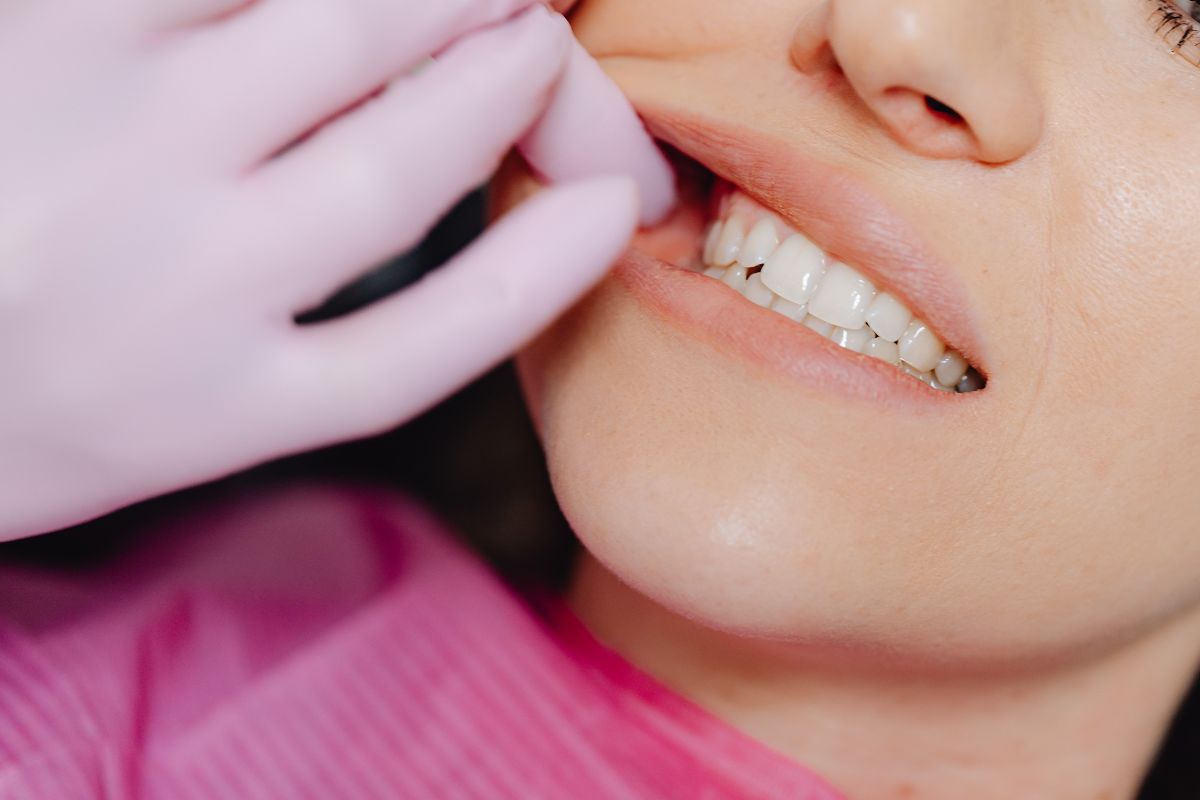
A bright, white smile is often considered a sign of good health, confidence, and personal care. With many teeth whitening products available on the market, from bleaching toothpaste to professional treatments, it is no surprise that more people are now exploring options to enhance their smiles.
But with the increased interest come several concerns, especially around one common question: Can teeth whitening damage your enamel?
Let’s explore the facts versus myths to help you make an informed decision about bleaching teeth safely and effectively.
Understanding Tooth Enamel-—Why It Matters
Tooth enamel is the hard outer surface layer of teeth. It protects the inner layer from decay, sensitivity, and stains. Once the enamel is damaged, it does not regenerate, so maintaining its integrity is essential for long-term dental health.
Myth 1: All Teeth Whitening Products Damage the Enamel
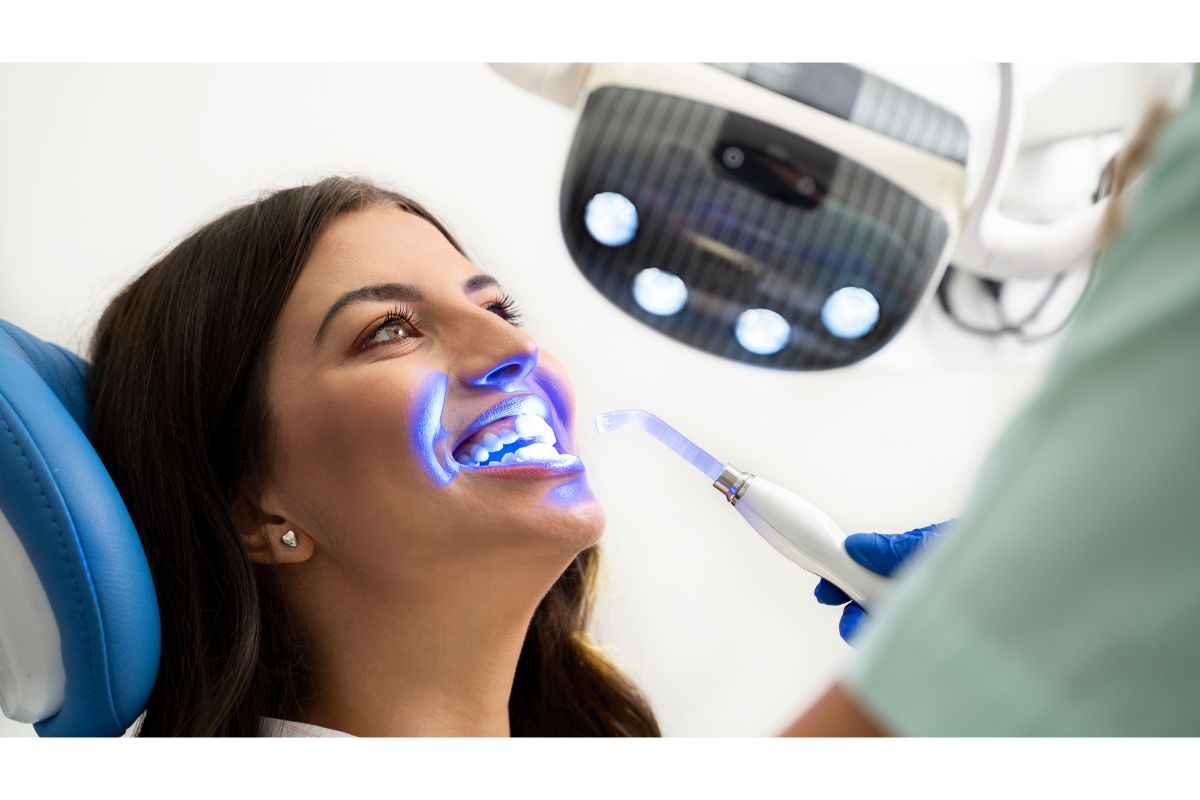
The truth is that not all whitening products are harmful, but not all are made equal. Professional teeth bleaching treatments, primarily administered by a cosmetic dentist, are formulated to be both safe and effective.
Concentrations of whitening agents, such as hydrogen peroxide or carbamide peroxide, are carefully controlled, and the application process is closely monitored to protect both the enamel and gums. Over-the-counter strips, on the other hand, can pose risks if overused in the wrong way. Some can be too abrasive or contain acidic ingredients that may wear down enamel over time.
Myth 2: Whitening Causes Permanent Sensitivity
The truth is that sensitivity after dental bleaching is mainly temporary. Some people might experience mild tooth sensitivity or gum irritation after the session. This is because temporary exposure of the dentin layer under the enamel resolves within 24-48 hours. Dental care providers recommend using a sensitivity-reducing toothpaste before and after the procedure to help manage discomfort. Professionals utilize advanced formulas and techniques that minimize sensitivity, providing a safe experience for patients of all ages.
Myth 3: Natural Remedies are safer than Professional Treatments
The truth is that natural does not always mean safer. While using lemon juice, baking soda, or activated charcoal for dental bleaching might seem appealing, these products are abrasive and highly acidic, leading to enamel erosion and irreversible damage. Unlike dentist-approved whitening methods, natural methods are not supported by scientific research and should be avoided.
How Safe Is Professional Teeth Whitening?
If you want professional teeth whitening in Carmel, rest assured that professional methods are safe and enamel-friendly when administered correctly. The cosmetic dentist customizes each session according to the patient’s dental history, enamel thickness, and sensitivity level. The professional-grade solution effectively whitens the teeth without compromising enamel health, giving a brighter smile without the risk associated with DIY techniques.
Tips To Protect Your Enamel Before And After Whitening
- Always consult a dental professional before starting any bleaching regimen.
- Avoid acidic or sugary food right after the procedure
- Use fluoride treatment to strengthen enamel
- Don’t over-whiten. Stick to the regular schedule and recommendations offered by the expert.
- Maintain good oral hygiene to preserve whitening outcomes.
Are you considering dental whitening but concerned about the impact on your enamel health? Let us guide you. At Alvarez Family Dentistry, we offer safe, effective, and personalized teeth whitening services that prioritize both aesthetic appeal and oral health. Schedule a consultation today and take the first step towards a brighter smile.