
1185 W Carmel Dr. #D2, Carmel, IN 46032

Stained Teeth Solutions: Is Professional Teeth Whitening or Dental Bonding Best for You?
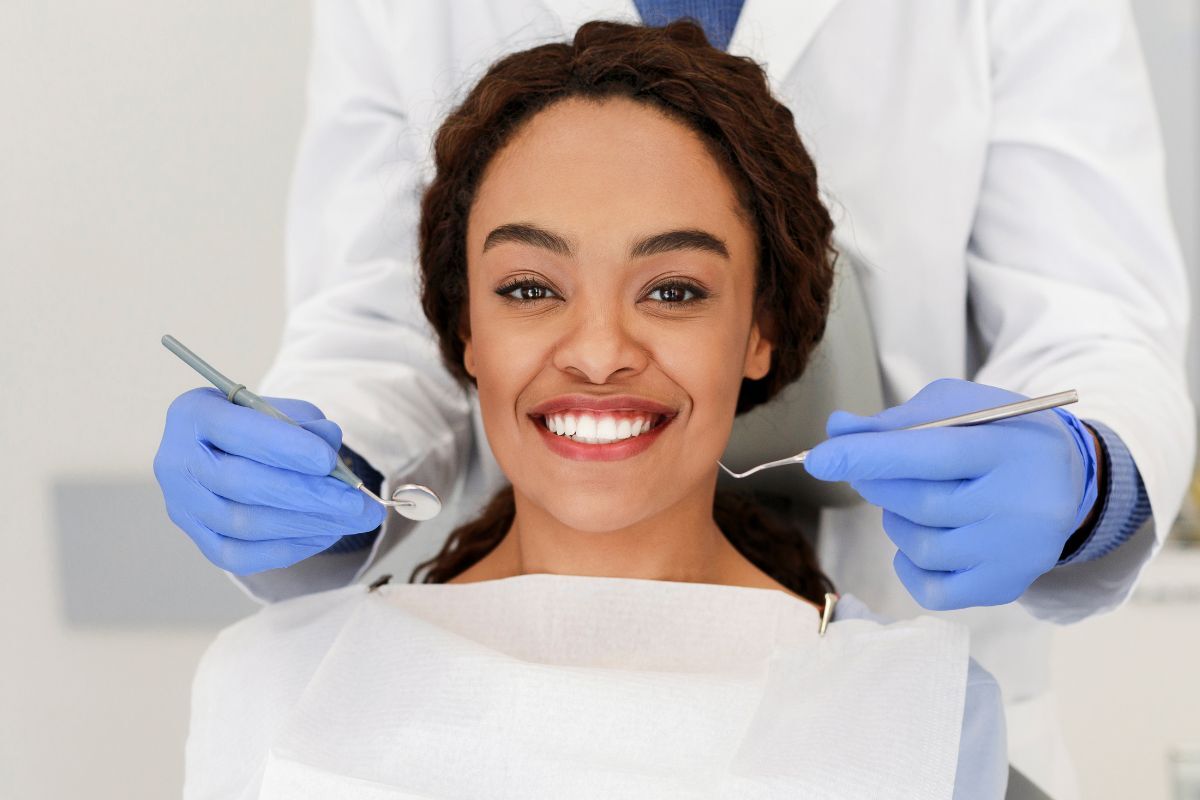
Tooth discoloration can alter the brightness of your smile and affect your overall self-confidence. When exploring cosmetic dental options to correct discolored enamel, professional teeth whitening and dental bonding are two of the most popular and effective clinical solutions.
Choosing between these treatments depends primarily on the underlying cause, location, and severity of your tooth staining. At Alvarez Family Dentistry, Dr. Keith Alvarez provides personalized diagnostic evaluations to help patients determine whether chemical whitening or composite restoration is best suited for their unique smile goals.
What Causes Tooth Discoloration?
Tooth discoloration is clinically categorized into two main types: extrinsic stains, which affect the outer enamel, and intrinsic stains, which originate within the internal structure of the tooth. Understanding the origin of your discoloration is the first step in selecting an effective treatment.
Extrinsic Stains (Surface Discoloration)
Extrinsic discoloration occurs when chromogens (pigment-producing compounds) bind to the acquired pellicle and surface enamel of the teeth. Common culprits include:
- Daily consumption of coffee, black tea, dark wines, or dark berries.
- Tar and nicotine products.
- Routine accumulation of plaque and tartar over time.
According to data published by the National Institute of Dental and Craniofacial Research (NIDCR), over 90% of adults aged 20 to 64 have experienced dental caries or surface enamel changes, emphasizing the critical role of routine oral hygiene and professional preventative care in maintaining enamel brightness.
Intrinsic Stains (Internal Discoloration)
Intrinsic discoloration develops beneath the surface enamel within the dentin matrix. These internal stains do not respond to traditional bleaching agents and typically result from:
- Childhood exposure to tetracycline antibiotics or excessive fluoride (fluorosis).
- Physical trauma causing internal nerve hemorrhage or root injury.
- Developmental enamel hypoplasia or natural age-related thinning of the enamel, exposing the naturally yellow dentin underneath.
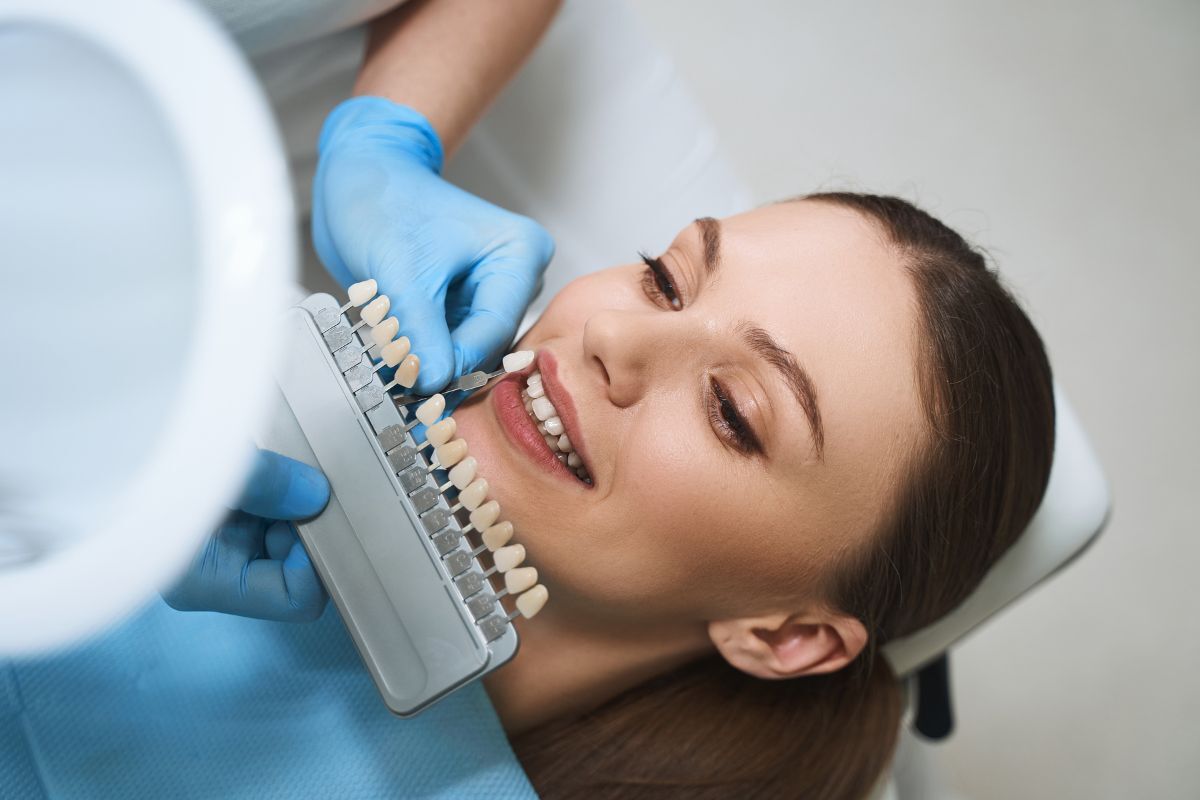
How Professional Teeth Whitening Works
Our professional teeth whitening in Carmel relies on high-grade peroxide compounds (carbamide or hydrogen peroxide) to oxidize organic stains trapped within the microscopic pores of enamel.
Clinical Mechanism
When applied, peroxide breaks down into oxygen-free radicals. These molecules penetrate the porous structure of enamel to dissolve the chemical bonds of chromogens, converting large, light-absorbing pigment molecules into smaller, colorless ones.
Key Benefits
- Non-Invasive: Requires no removal or altering of natural tooth structure.
- Uniform Brightening: Treats the entire arch simultaneously for a broad, even shade enhancement.
- Rapid Results: In-office treatments yield visible lightening in a single 60-minute visit.
Indications & Limitations
Professional whitening is ideal for patients with uniform, yellow-toned extrinsic stains and healthy, intact enamel. However, chemical bleaching cannot lighten synthetic restorations such as tooth-colored fillings, crowns, or previous bonding, nor does it resolve deep intrinsic gray or brown tetracycline banding.
Local Tip for Carmel Residents: Whether you enjoy morning coffee at a café near the Arts & Design District, relax with lunch in City Center, or bike along the Monon Trail, everyday dietary habits contribute to gradual enamel dulling. Seeking professional teeth whitening in Carmel ensures that surface stains from favorite local foods and drinks are safely eliminated without damaging enamel.
How Cosmetic Dental Bonding Works
Cosmetic dental bonding involves applying a malleable, tooth-colored composite resin directly to the surface of a tooth to sculpt away imperfections and cover stubborn discoloration.
Clinical Mechanism
Dr. Alvarez selects a composite shade that matches or enhances your natural teeth. The enamel is lightly micro-etched, and a liquid conditioning agent is applied to establish a strong mechanical bond. The putty-like composite resin is then meticulously layered, sculpted, and cured using a specialized high-intensity light before being trimmed and polished to a natural luster.
Key Benefits
- Single-Visit Enhancement: Direct composite bonding is completed in one appointment without laboratory delays.
- Conceals Intrinsic Defects: Completely covers deep internal stains, white spots, or tetracycline discoloration that bleaching cannot reach.
- Multi-Functional Correction: Simultaneously fixes chipped edges, small gaps, uneven tooth lengths, and structural defects alongside stain masking.
Indications & Limitations
Dental bonding is best suited for targeted individual teeth, structural chips, or localized severe intrinsic discoloration. While highly durable, composite resin is slightly more porous than natural ceramic or porcelain, meaning bonded areas require diligent hygiene to maintain stain resistance over time.
Comparing Teeth Whitening vs. Dental Bonding
To select the optimal procedure, consider how each treatment addresses your specific aesthetic goals:
| Feature | Professional Teeth Whitening | Dental Bonding |
|---|---|---|
| Primary Focus | Whole-smile brightening of extrinsic stains | Targeted stain masking and structural repair |
| Treatment Area | Full upper and lower arches | Specific individual teeth |
| Tooth Alteration | None (100% non-invasive) | Minimal surface conditioning/micro-etching |
| Impact on Restorations | Leaves existing crowns/fillings unchanged | Replaces or covers worn restorative materials |
| Ideal Stain Type | Yellow, extrinsic surface discoloration | Deep gray, brown, or intrinsic spot discoloration |
Which Treatment Is Right for Your Stained Teeth?
Deciding between whitening and bonding comes down to the root cause of the discoloration and whether structural repairs are needed.
- Choose teeth whitening if your teeth are structurally sound, free of existing restorations in the front, and evenly stained yellow from food, drinks, or aging.
- Choose dental bonding if you have isolated internal stains, isolated white spots, structural damage like chips or cracks, or if chemical bleaching has failed to yield results.
During a diagnostic visit at our practice, we assess your enamel density, shade gradient, and restorative history to recommend a tailored plan. In many cases, patients benefit from a combination approach, whitening the entire arch first, followed by bonding individual teeth to match the newly lightened shade.
Frequently Asked Questions
1. What is the main difference between teeth whitening and dental bonding?
Teeth whitening uses peroxide solutions to bleach natural extrinsic stains across your entire smile. Dental bonding applies a tooth-colored composite resin over individual teeth to cover deep intrinsic stains or chips.
2. Can teeth whitening fix deep intrinsic stains?
No, chemical teeth whitening primarily targets organic extrinsic surface stains. Deep intrinsic discoloration inside the tooth dentin requires cosmetic masking treatments like dental bonding or porcelain veneers to achieve total coverage.
3. Does dental bonding stain over time?
Yes, composite resin can absorb surface pigments over time. While modern bonding materials are stain-resistant, avoiding dark beverages and maintaining professional dental cleanings will preserve their appearance.
4. Is dental bonding reversible?
Dental bonding requires minimal surface etching to adhere to enamel, making it a conservative treatment. While non-invasive, replacing or maintaining the resin over time is necessary for long-term health.
5. How long does a dental bonding procedure take?
A direct composite bonding treatment typically takes 30 to 60 minutes per tooth. The entire procedure is completed in a single appointment without requiring laboratory fabrication.
6. Will bleaching lighten existing dental bonding or fillings?
No, whitening gels do not alter the shade of synthetic materials like composite resin or ceramic. Bleaching should always be performed prior to bonding so the resin can match your new shade.
7. How do I know if I am a good candidate for teeth whitening?
Candidates for whitening should have healthy gums, intact enamel, and yellow extrinsic staining. A professional assessment ensures that your teeth and gums are suitable for chemical bleaching agents.
Take the Next Step Toward a Brighter Smile
Every smile is unique, and achieving your ideal result begins with a personalized clinical plan. Whether you require full-arch bleaching or targeted composite repair, professional guidance ensures safe, long-lasting aesthetic improvements. To find out the most effective path to a brighter smile, visit our dental office today for a consultation.
If you are ready to address tooth discoloration and restore your confidence, book an appointment with Alvarez Family Dentistry today to receive an expert evaluation tailored to your goals.