
1185 W Carmel Dr. #D2, Carmel, IN 46032

Why Teeth Whitening Didn’t Work: Common Reasons & What to Do Next
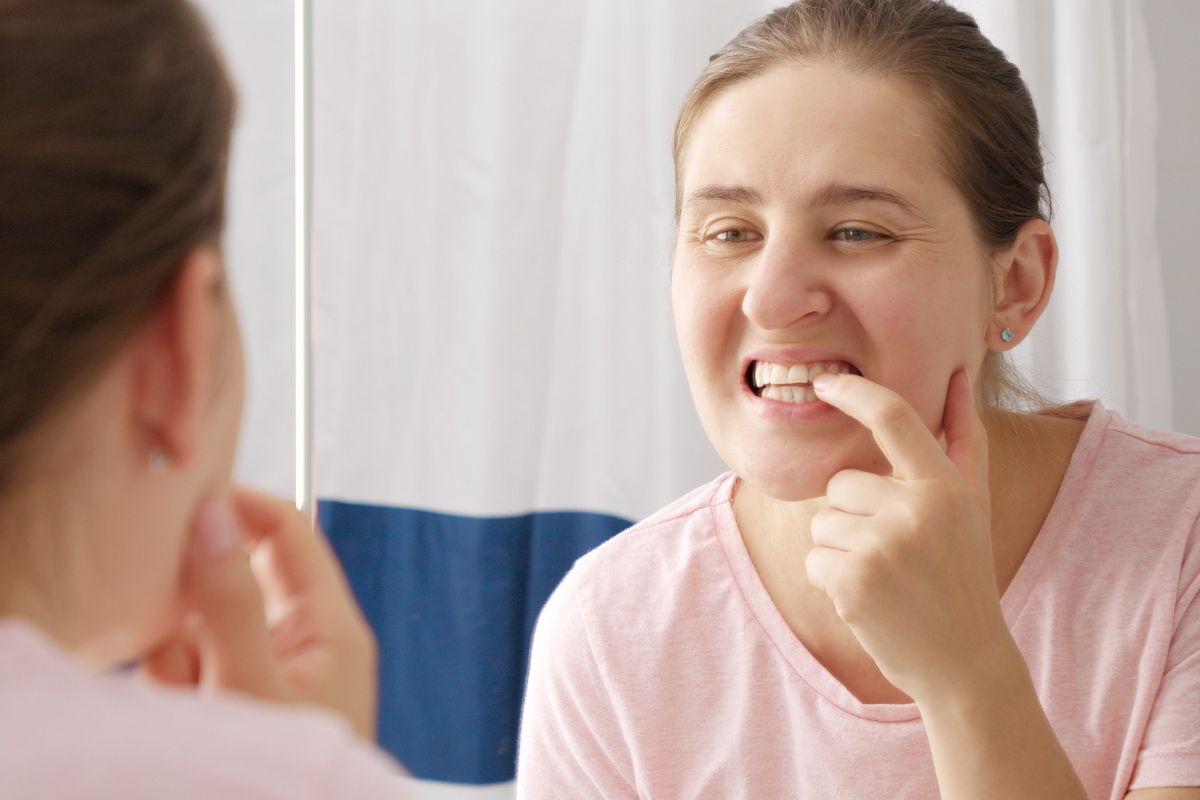
A radiant, bright smile is one of the first features people notice, boosting your confidence in both personal and professional settings. When you invest time and money into brightening your smile, pulling back your lips in the mirror only to see dull, yellow, or patchy teeth can be deeply frustrating.
If you have recently tried an over-the-counter bleaching kit or an at-home trend without getting the striking results you hoped for, you are certainly not alone. Thousands of patients experience uneven brightening, zero change in shade, or heightened tooth sensitivity without understanding why the process failed.
At Alvarez Family Dentistry, our trusted practitioner, Dr. Keith Alvarez, helps patients uncover the precise reasons behind stubborn tooth discoloration and provides tailored solutions to achieve a brilliant, healthy-looking smile. As experienced providers offering personalized teeth whitening in Carmel, we know that dynamic cosmetic results require more than a generic gel, they demand a clear understanding of your unique dental anatomy.
Understanding Tooth Stains: Why Color Changes in the First Place
To understand why a treatment failed, it helps to look at the anatomy of your tooth. Teeth are made of multiple layers. The outer surface is the enamel, a hard, semi-translucent shell that protects the softer inner core called dentin.
Discoloration falls into two primary categories, each reacting differently to whitening treatments:
- Extrinsic Stains: These surface-level stains occur on the outer enamel layer. They are typically caused by dark pigments in coffee, red wine, dark teas, berries, tobacco use, or everyday food dyes. Extrinsic stains are generally responsive to standard bleaching agents because peroxide compounds easily break down surface chromogens.
- Intrinsic Stains: These deeper stains originate inside the inner dentin layer. They are caused by factors such as childhood medication exposure (like tetracycline), excessive fluoride intake during tooth development (fluorosis), physical trauma to a tooth, or natural aging as enamel thins over time. Intrinsic discoloration resists over-the-counter products because surface gels cannot penetrate deep enough into the tooth structure.
If your treatment produced minimal or zero noticeable change, there is a strong chance you are fighting intrinsic stains, an improper application technique, or an inadequate gel concentration.
5 Primary Reasons Your Teeth Whitening Didn’t Work
When a cosmetic treatment fails to deliver, patients often assume their teeth are simply “un-whitenable.” In reality, whitening failure usually comes down to biological, chemical, or structural obstacles. Here are the five most common causes:
1. Over-the-Counter Products Are Not Strong Enough
Store-bought whitening strips, LED light kits, paints, and whitening toothpastes are strictly regulated for consumer safety. Because these off-the-shelf treatments are designed for unsupervised use, they contain very low concentrations of active hydrogen peroxide or carbamide peroxide, often between 3% and 10%.
While this mild concentration may lift very light, recent surface stains, it lacks the chemical potency needed to break down deeper, oxidized discoloration. By contrast, professional cosmetic treatments utilize clinical-grade formulations (often 25% to 40% active peroxide) that safely penetrate enamel micro-pores to lighten teeth by several shades in a single session.
2. Dental Restorations Do Not Bleach
A surprisingly common oversight is expecting dental work to change color along with natural enamel. Prosthetic dental materials, including:
- Porcelain veneers
- Composite resin fillings
- Dental crowns and bridges
- Dental bonding
are engineered to be non-porous and color-stable. Bleaching agents will not alter the shade of synthetic restorations. If you have a composite filling or crown on a front tooth and apply a whitening gel, your surrounding natural enamel may lighten while the restoration stays the exact same shade. This leaves an uneven, splotchy, or mismatched appearance across your smile line.
3. Ill-Fitting Trays Dilute the Bleaching Gel
Effective whitening requires consistent, direct contact between the active gel and the enamel surface for a set period. Generic, one-size-fits-all trays from drugstores rarely match the unique contours of your mouth.
When a tray fits loosely, two major issues happen:
- Saliva Contamination: Saliva contains natural enzymes (like peroxidase) that rapidly degrade peroxide compounds, neutralizing the bleaching gel before it can break down stains.
- Chemical Leakage: Gel slips out of the tray, irritating delicate gum tissue while starving your enamel of the active ingredient.
Without custom-contoured trays made from precise impressions of your teeth, the whitening agent simply cannot perform effectively.
4. Plaque and Tartar Form a Physical Barrier
If you apply whitening products without having a professional dental cleaning beforehand, you may be bleaching a layer of bacterial plaque or calcified tartar (calculus) rather than your actual tooth enamel. Tartar acts as a dense, impervious shield that blocks bleaching agents from reaching the enamel beneath.
Additionally, uneven plaque buildup leads to spotty, streaky results where exposed areas lighten while covered areas remain stained. A clean, polished surface is essential for optimal chemical absorption and uniform shading.
5. Deep Intrinsic Discoloration or Tooth Trauma
Teeth that have suffered physical injury (from a sports accident, fall, or grinding) often react by laying down secondary dentin or experiencing nerve damage inside the pulp chamber. This turns the tooth a dull gray, brown, or dark yellow from within.
Similarly, antibiotic staining from childhood medications settles deep inside the dentin. Over-the-counter whitening strips cannot penetrate deeply enough into compromised internal tissue to change its shade. Treating internal discoloration requires specialized endodontic bleaching or targeted cosmetic solutions like porcelain veneers or dental bonding.
Post-Treatment Mistakes: Why Results Fade Rapidly
Sometimes whitening does work initially, but the bright results vanish within a few days, leading patients to think the treatment failed completely. This usually stems from early post-care mistakes:
- Ignoring the “White Diet” Period: Immediately following a bleaching treatment, the microscopic pores in your enamel remain expanded and vulnerable to staining for 24 to 48 hours. Consuming coffee, dark tea, soy sauce, tomato paste, red wine, or colorful berries during this critical window pulls pigments straight into the opened enamel pores, quickly undoing your progress.
- Dehydration Rebound: Bleaching gels temporarily dehydrate teeth during treatment, making them look artificially brilliant immediately afterward. Over the next 24 to 48 hours, as the teeth rehydrate from your natural saliva, they settle into their true shade, which may look darker than the immediate post-treatment glance.
- Tobacco Use: Smoking or vaping dark liquids immediately after whitening coats the vulnerable enamel in yellow tar and nicotine residues, causing rapid restaining.
What to Do Next: Strategic Steps to Achieve a Brighter Smile
If your initial attempt at brightening your smile fell flat, do not give up hope. Achieving an effortlessly radiant smile is entirely possible when guided by clinical expertise. Here is how to proceed:
Step 1: Schedule a Comprehensive Dental Evaluation
Before spending another dollar on over-the-counter products, schedule a consultation with your dentist. A thorough oral exam allows us to evaluate your enamel thickness, identify existing restorations, diagnose the root cause of your staining, and ensure your teeth and gums are healthy enough for cosmetic treatments.
Step 2: Get a Professional Dental Cleaning
A professional dental hygiene visit removes plaque, tartar, and surface debris, leaving a clean, smooth slate. This ensures that any subsequent whitening agent achieves direct, 100% contact with your enamel for even, predictable results.
Step 3: Invest in Professional-Grade Whitening
If your doctor confirms that your stains are extrinsic or mild intrinsic, upgrading to professional-grade treatment offers dramatic advantages:
- Custom-Molded Trays: Created from digital impressions of your teeth, custom trays seal the gel directly against your enamel while keeping saliva out and protecting your gums.
- Clinical-Potency Gels: Formulated with desensitizing agents like potassium nitrate and fluoride, professional gels deliver high-potency bleaching without causing agonizing sensitivity.
- In-Office Professional Bleaching: High-potency, light-accelerated in-office treatments can lift your teeth several shades in just one hour under controlled supervision.
For patients seeking high-performance teeth whitening in Carmel, our office designs custom treatment plans that safely deliver long-lasting, brilliant outcomes while protecting sensitive nerves.
Step 4: Explore Alternative Cosmetic Solutions
If your discoloration is caused by severe tetracycline exposure, dental trauma, thin enamel, or extensive previous dental restorations, traditional bleaching may not yield the shade you desire. In these cases, cosmetic treatments offer permanent aesthetic solutions:
- Porcelain Veneers: Ultra-thin, custom-crafted ceramic shells bonded to the front of your teeth, completely concealing deep intrinsic dark spots, chips, or gaps with a flawless white finish.
- Cosmetic Dental Bonding: Applying a tooth-colored composite resin to mask isolated dark spots or traumatic discoloration on individual teeth.
Take the Next Step Toward Your Brightest Smile Today
Unsatisfactory whitening results do not mean you are out of options. By addressing underlying causes, such as stain depth, fit issues, or existing restorations, you can break through the plateau and achieve the gleaming smile you deserve.
Ready to transform your smile with expert care? Learn more about our advanced teeth whitening in Carmel and schedule your personalized cosmetic consultation with Dr. Keith Alvarez at Alvarez Family Dentistry today.
Visit our dental office in Carmel to explore our comprehensive general and cosmetic dental services.
FAQs
1. Why didn’t my teeth turn white after using store-bought whitening strips?
Over-the-counter strips use low-concentration bleaching gels that struggle against stubborn stains. Additionally, generic strips do not seal tightly against teeth, allowing saliva to dilute active ingredients and cause spotty, incomplete whitening results.
2. Can yellow teeth always be whitened back to brilliant white?
Not always. While surface stains from coffee or wine lighten easily, deep intrinsic staining from trauma, medications, or thin enamel requires high-concentration professional bleaching or cosmetic alternatives like porcelain veneers for full correction.
3. Will professional teeth whitening damage my tooth enamel or gums?
No. When performed under professional supervision, clinical bleaching gels are completely safe for enamel. Custom-fitted trays protect gum tissue from chemical contact, while integrated desensitizing agents minimize tooth sensitivity during and after treatment.
4. Why are my teeth whitening unevenly with white spots appearing?
Uneven whitening usually occurs when plaque blocks gel absorption or when dehydration creates temporary white hypocalcification spots. A professional cleaning prior to whitening and custom-molded trays ensure smooth, uniform shade distribution.
5. Why didn’t my crowns or fillings change color during whitening?
Bleaching agents only react with natural organic enamel. Dental restorations made of porcelain or composite resin are non-porous and color-stable. If restorations show after whitening, your dentist can replace them to match your brighter shade.
6. How long should I wait to eat dark foods after whitening?
You should strictly avoid dark foods, red wine, coffee, and berries for 48 hours post-whitening. During this period, enamel pores remain dilated and absorb pigments quickly, which can reverse your recent whitening progress.
7. How much better is professional in-office whitening compared to DIY kits?
In-office professional whitening utilizes high-potency, clinical-grade gels and custom technology to safely lift teeth several shades in under an hour, delivering faster, longer-lasting, and far more consistent results than over-the-counter kits.