
1185 W Carmel Dr. #D2, Carmel, IN 46032

7 Proven Ways to Stop Teeth Pain from Cold Drinks (Dentist-Approved Tips)

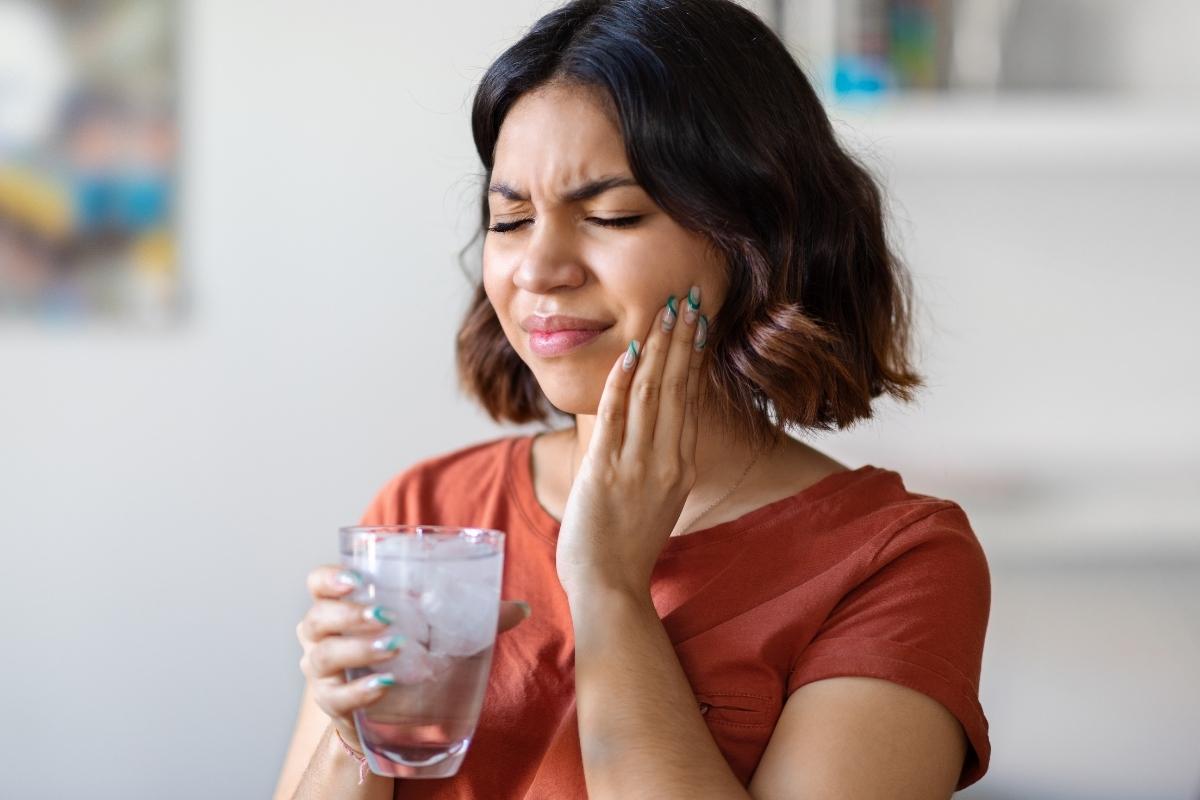
Do you wince every time you sip cold water, iced coffee, or your favorite smoothie? That sharp, sudden discomfort is often a sign of tooth sensitivity, a common dental issue that can affect people of all ages. The good news? There are effective, dentist-approved ways to manage and even prevent this pain.
At Alvarez Family Dentistry, we help patients identify the root causes of sensitivity and provide personalized solutions for lasting relief.
Why Do Teeth Hurt When You Drink Something Cold?
Before we dive into solutions, it’s important to understand the cause. Tooth sensitivity typically occurs when the protective enamel wears down or when gums recede, exposing the underlying dentin. This layer contains tiny tubules that connect to nerve endings—making your teeth more reactive to temperature changes.
Common causes include:
- Enamel erosion from acidic foods and drinks
- Gum recession
- Tooth decay or cavities
- Cracked or chipped teeth
- Teeth grinding (bruxism)
- Recent dental procedures
7 Proven Ways to Stop Teeth Pain from Cold Drinks
Here are seven effective, dentist-approved methods to help you enjoy cold beverages without discomfort:
1. Use a Desensitizing Toothpaste
Specially formulated toothpaste for sensitive teeth helps block the transmission of pain signals from the tooth surface to the nerve.
How it helps:
- Strengthens enamel
- Reduces nerve sensitivity over time
Tip: Use consistently for at least 2–4 weeks for noticeable results.
2. Switch to a Soft-Bristled Toothbrush
Brushing too hard or using a stiff toothbrush can wear down enamel and irritate gums.
What to do:
- Use a soft-bristled brush
- Apply gentle pressure
- Brush in circular motions
This helps protect enamel and prevent further sensitivity.
3. Limit Acidic Foods and Drinks
Acidic items like soda, citrus fruits, and sports drinks can erode enamel, making teeth more sensitive.
Better choices:
- Water
- Milk
- Low-acid beverages
Reducing acid exposure helps maintain strong enamel.
4. Use a Fluoride Mouthwash
Fluoride strengthens tooth enamel and reduces sensitivity by remineralizing weakened areas.
Benefits:
- Protects against decay
- Builds resistance to temperature changes
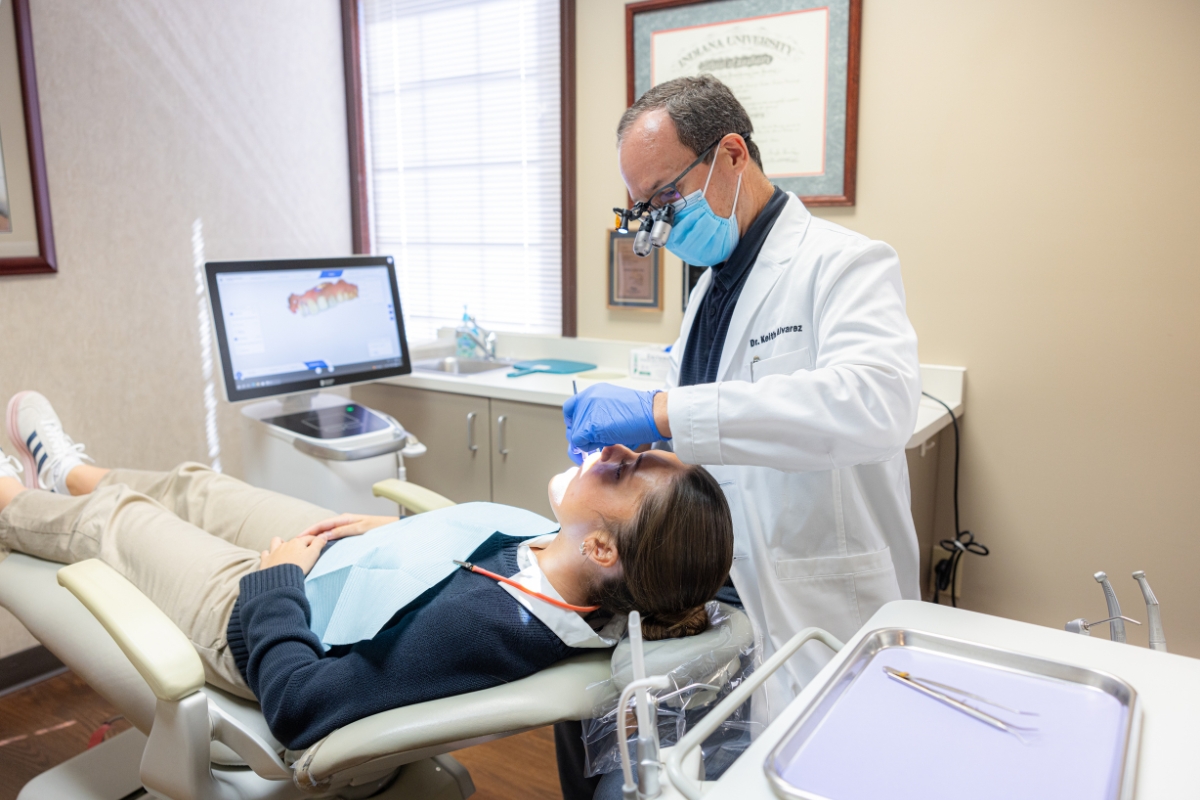
Our dentist, Dr. Keith Alvarez, for recommendations on the best fluoride products.
5. Avoid Teeth Grinding (Bruxism)
Grinding your teeth—especially at night—can wear down enamel and expose sensitive areas.
Solution:
- Wear a custom nightguard
- Manage stress levels
At Alvarez Family Dentistry, we offer custom-fitted nightguards for optimal protection.
6. Try Dental Bonding or Sealants
If sensitivity is severe, your dentist may recommend treatments like bonding or sealants to cover exposed dentin.
How it works:
- A protective layer is applied to sensitive areas
- Reduces exposure to cold stimuli
This is a quick, effective in-office solution.
7. Maintain Regular Dental Checkups
Routine dental visits are essential for identifying and treating underlying issues like cavities or gum disease.
Why it matters:
- Early detection prevents worsening sensitivity
- Professional cleanings remove plaque buildup
Your dentist can tailor treatments based on your specific needs.
When Is Tooth Sensitivity a Sign of a Bigger Problem?
While occasional sensitivity is common, persistent pain may indicate the following:
- Tooth decay
- Gum disease
- Cracked teeth
- Worn dental fillings
If your discomfort doesn’t improve with at-home care, it’s time to seek professional evaluation.
Quick Tips for Immediate Relief
If you’re currently dealing with sensitivity, try these quick fixes:
- Sip drinks through a straw to avoid direct contact with teeth
- Avoid extremely cold beverages temporarily
- Rinse your mouth with warm saltwater
- Use over-the-counter desensitizing gels
These can provide short-term relief while you address the root cause.
Why Choose Alvarez Family Dentistry?
At Alvarez Family Dentistry, we specialize in diagnosing and treating tooth sensitivity with a patient-first approach.
Our services include:
- Comprehensive dental exams
- Advanced sensitivity treatments
- Preventive care and education
- Customized treatment plans
We’re dedicated to helping you enjoy your favorite foods and drinks without pain.
Tooth pain from cold drinks can be frustrating, but it’s also highly treatable. By understanding the causes and following these dentist-approved tips, you can significantly reduce sensitivity and protect your oral health.
From switching toothpaste to seeking professional care, small changes can make a big difference in your comfort and confidence.
Schedule your appointment today and visit us at 1185 W Carmel Dr #D2, Carmel, IN 46032, to get lasting relief from tooth sensitivity and enjoy every sip again.
FAQs
1. Why do my teeth hurt when I drink cold water?
This usually happens due to enamel wear or gum recession, exposing sensitive dentin and nerve endings.
2. Can tooth sensitivity go away on its own?
Mild sensitivity may improve, but persistent pain often requires dental treatment.
3. What is the best toothpaste for sensitive teeth?
Desensitizing toothpaste with potassium nitrate or fluoride is highly effective.
4. Are cold drinks damaging my teeth?
Cold drinks don’t damage teeth directly, but they can trigger pain if sensitivity is present.
5. When should I see a dentist for sensitive teeth?
If pain lasts more than a few days or worsens, it’s best to consult a dentist for proper diagnosis and treatment.