
1185 W Carmel Dr. #D2, Carmel, IN 46032

Sensitive Teeth After Cleaning by the Dentist: Causes, Relief & When to Worry
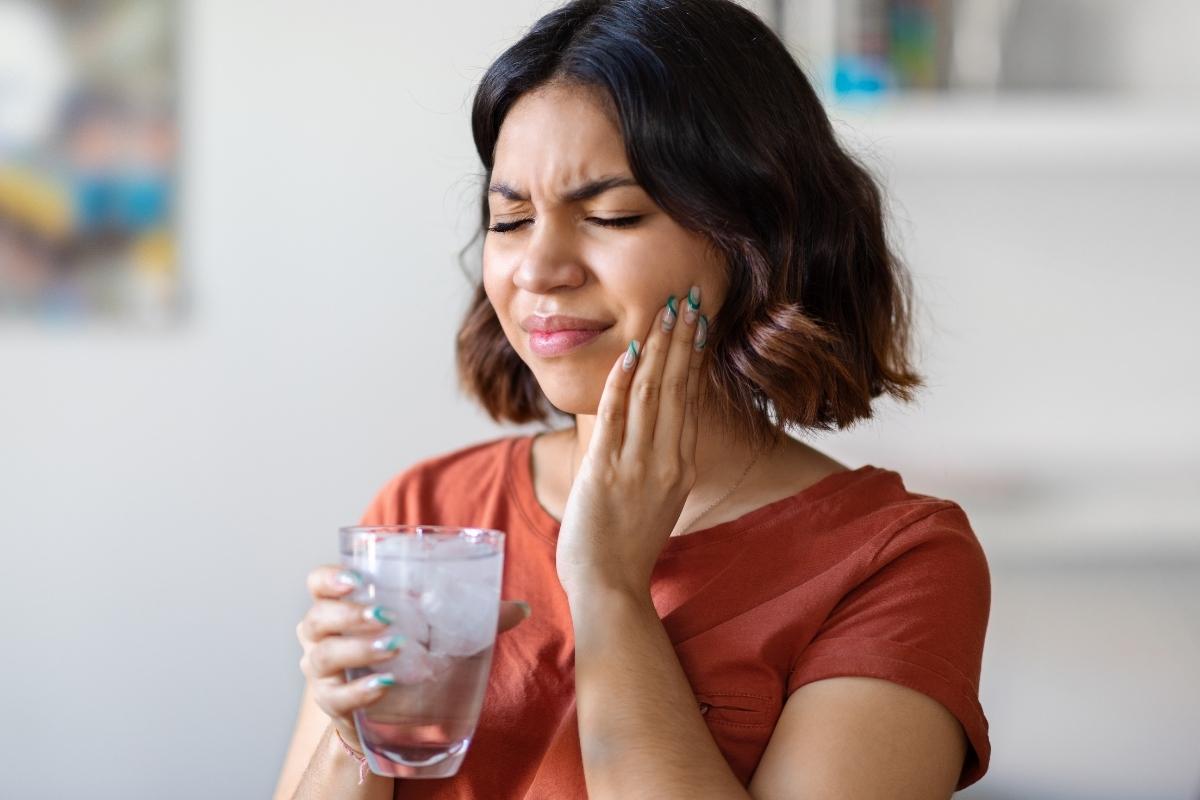
If you’ve ever left a dental appointment with a cleaner, brighter smile—but also a sudden zing of sensitivity—you’re not alone. Many patients experience tooth sensitivity after a professional dental cleaning, especially if it’s been a while since their last visit. While the sensation can be uncomfortable, it’s usually temporary and often a sign your teeth and gums are on the path to better health.
At Alvarez Family Dentistry, we frequently help patients understand why sensitivity happens after cleanings and how to manage it effectively. Let’s break down the causes, what’s normal, and when to seek care.
Why Do Teeth Feel Sensitive After a Dental Cleaning?
Dental cleanings remove plaque, tartar, and bacteria from areas your toothbrush can’t reach. While this process is essential for maintaining oral health, it can temporarily expose sensitive areas of your teeth.
1. Removal of Protective Tartar
Tartar buildup may act like a barrier over sensitive parts of your teeth. Once it’s removed, underlying dentin—which contains microscopic tubules connected to nerve endings—can become exposed, leading to sensitivity.
2. Gum Inflammation and Healing
If your gums were inflamed due to plaque buildup, they may be tender after cleaning. As your gums begin to heal and tighten around your teeth, you may feel temporary discomfort.
3. Gum Recession
Patients with receding gums are more likely to experience sensitivity because the roots of the teeth are exposed. Unlike enamel, roots don’t have the same protective layer.
4. Deep Cleaning Procedures
If you underwent scaling and root planing (deep cleaning), sensitivity may last longer because the treatment goes beneath the gumline to remove bacteria.
5. Pre-Existing Sensitivity
If your teeth were already sensitive before your appointment, a cleaning may temporarily intensify the sensation.
Is Tooth Sensitivity After Cleaning Normal?
Yes—mild to moderate sensitivity is completely normal after a dental cleaning. It typically
- Starts within a few hours after the appointment
- Peaks within the first 1–2 days
- Gradually improves within a week
However, if sensitivity persists beyond 7–10 days or becomes severe, it may indicate an underlying issue such as enamel erosion, cavities, or gum disease.
Common Symptoms You Might Experience
After a dental cleaning, sensitivity can present in different ways:
- Sharp pain when consuming hot or cold foods
- Discomfort when brushing or flossing
- Sensitivity to sweet or acidic foods
- Mild gum soreness or tenderness
- Occasional “zingers” when breathing in cold air
These symptoms are typically short-lived and manageable with proper care.
How Long Does Sensitivity Last?
For most patients, sensitivity lasts anywhere from a few days to one week. The duration depends on:
- Your overall oral health
- The amount of tartar removed
- Whether you had a standard or deep cleaning
- The condition of your gums and enamel
Patients who maintain regular cleanings every six months often experience less post-cleaning sensitivity compared to those who go longer between visits.
Effective Ways to Reduce Tooth Sensitivity After Cleaning
The good news? There are several simple ways to relieve discomfort and protect your teeth while they recover.
Use a Desensitizing Toothpaste
Switch to a toothpaste designed for sensitive teeth. These products block pain signals from reaching the nerves.
Brush Gently with a Soft-Bristled Toothbrush
Avoid aggressive brushing, which can irritate gums and worsen sensitivity.
Avoid Extremely Hot or Cold Foods
Stick to lukewarm foods and beverages for a few days after your cleaning.
Skip Acidic Foods and Drinks
Citrus fruits, soda, and wine can aggravate sensitivity.
Use a Fluoride Rinse
Fluoride strengthens enamel and reduces sensitivity over time.
Stay Consistent with Oral Hygiene
Even if your teeth feel sensitive, don’t skip brushing or flossing—just be gentle.
When Sensitivity May Indicate a Problem
While most sensitivity is harmless, there are situations where it could signal something more serious:
- Pain lasts longer than 10 days
- Sensitivity worsens instead of improving
- You experience swelling or bleeding gums
- There’s sharp pain when biting down
- You notice visible damage to a tooth
In these cases, it’s important to schedule a dental evaluation to rule out conditions like cavities, cracked teeth, or periodontal disease.
The Link Between Gum Health and Sensitivity
Your gums play a critical role in protecting your teeth. When gums recede or become inflamed, the tooth roots are exposed—making them more sensitive.
Regular cleanings help reverse early gum disease and prevent further recession. Although this may cause temporary discomfort, it ultimately leads to healthier gums and less sensitivity over time.
Preventing Sensitivity After Future Cleanings
If you’ve experienced sensitivity before, you can take steps to minimize it during your next visit:
- Schedule regular cleanings every 6 months
- Inform your dentist about past sensitivity
- Use desensitizing toothpaste a week before your appointment
- Maintain consistent brushing and flossing habits
- Avoid delaying dental visits (more buildup = more sensitivity later)
Prevention is key. The less plaque and tartar buildup you have, the gentler your cleaning will be.
Benefits of Professional Dental Cleanings
Despite temporary sensitivity, professional cleanings offer long-term benefits that far outweigh the discomfort:
- Removal of harmful plaque and tartar
- Prevention of cavities and gum disease
- Fresher breath
- Brighter, cleaner smile
- Early detection of dental issues
Skipping cleanings out of fear of sensitivity can lead to more severe dental problems in the future.
Tooth sensitivity after a dental cleaning is common, temporary, and manageable. It’s often a sign that your teeth are adjusting to a cleaner, healthier environment. With proper aftercare and consistent dental visits, sensitivity becomes less frequent and less intense over time.
At Alvarez Family Dentistry, we are committed to making your dental experience as comfortable as possible while helping you achieve optimal oral health. If you’re experiencing prolonged sensitivity or have concerns after your cleaning, our team is here to help.
Schedule your appointment today at 1185 W Carmel Dr #D2, Carmel, IN 46032, and take the next step toward a healthier, more confident smile.
FAQs
1. Is it normal for teeth to be sensitive after a dental cleaning?
Yes, mild sensitivity is common and usually resolves within a few days.
2. How long does sensitivity last after teeth cleaning?
Typically 3–7 days, depending on your oral health and the type of cleaning performed.
3. What can I do immediately to reduce sensitivity?
Use desensitizing toothpaste, avoid hot/cold foods, and brush gently with a soft toothbrush.
4. Does deep cleaning cause more sensitivity?
Yes, deep cleanings can cause longer-lasting sensitivity because they treat areas below the gumline.
5. When should I call my dentist about sensitivity?
If it lasts more than 10 days, worsens, or is accompanied by swelling or severe pain.