
1185 W Carmel Dr. #D2, Carmel, IN 46032

Bad Breath (Halitosis): Causes and How Dentists Treat It

Bad breath, medically known as halitosis, is more than just an occasional inconvenience—it can affect your confidence, social interactions, and even your overall health. If you find yourself frequently reaching for mints or avoiding close conversations, it may be time to look deeper into the cause.
At Alvarez Family Dentistry in Carmel, IN, Dr. Keith Alvarez helps patients identify the root causes of bad breath and provides effective, long-lasting solutions. Let’s explore what causes halitosis and how professional dental care can restore fresh, healthy breath.
What Is Halitosis?
Halitosis refers to persistent bad breath that doesn’t go away with brushing, flossing, or mouthwash. While occasional bad breath is normal—especially after eating certain foods—chronic halitosis is often a sign of an underlying issue.
In many cases, the problem originates in the mouth, but it can also be linked to systemic health conditions.
Common Causes of Bad Breath
Understanding the cause of halitosis is the first step toward effective treatment. Here are the most common culprits:
1. Poor Oral Hygiene
When brushing and flossing are inconsistent, food particles remain in the mouth. These particles break down and attract bacteria, which release foul-smelling sulfur compounds.
Plaque buildup can also lead to gum disease, another major contributor to bad breath.
2. Gum Disease (Periodontal Disease)
Gum infections create pockets between the teeth and gums where bacteria thrive. These bacteria produce toxins and odors that are difficult to eliminate without professional treatment.
Symptoms may include:
- Bleeding gums
- Swelling or redness
- Persistent bad taste
3. Dry Mouth (Xerostomia)
Saliva plays a crucial role in washing away food debris and bacteria. When your mouth is dry, bacteria multiply quickly, leading to bad breath.
Dry mouth can be caused by the following:
- Certain medications
- Dehydration
- Mouth breathing
- Medical conditions
4. Food and Diet Choices
Certain foods are well-known for causing temporary bad breath, including:
- Garlic
- Onions
- Coffee
These foods release sulfur compounds into the bloodstream, which are then exhaled through the lungs.
5. Tobacco Use
Smoking and other tobacco products not only cause bad breath but also increase the risk of gum disease and oral infections—both of which worsen halitosis.
6. Dental Issues
Cavities, infected teeth, and poorly fitted dental restorations can trap bacteria and food particles, leading to unpleasant odors.
7. Medical Conditions
In some cases, bad breath may signal an underlying health issue, such as:
- Sinus infections
- Acid reflux (GERD)
- Diabetes
- Respiratory infections
A thorough dental exam can help determine whether your halitosis is oral or systemic in origin.
How Dentists Diagnose Halitosis
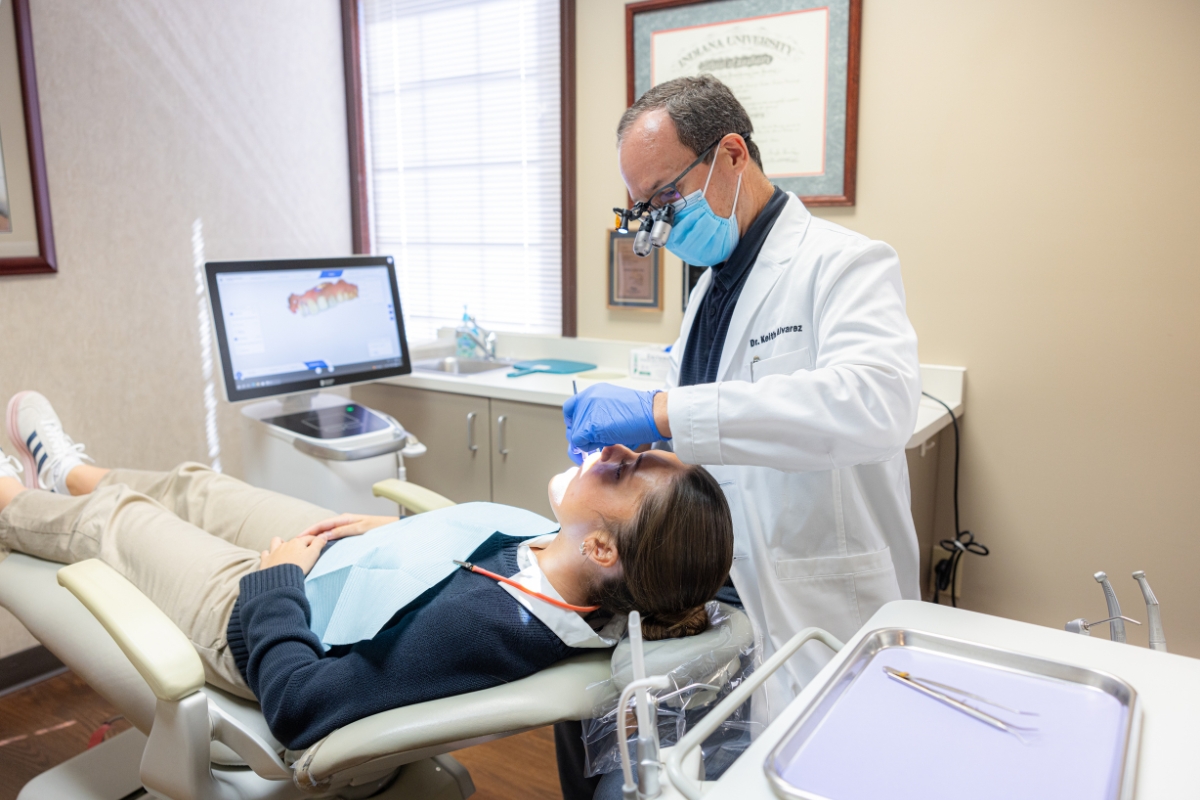
At Alvarez Family Dentistry, Dr. Keith Alvarez takes a comprehensive approach to diagnosing bad breath.
What to Expect During Your Visit:
- Review of your medical and dental history
- Examination of teeth, gums, and tongue
- Evaluation of oral hygiene habits
- Assessment for gum disease or decay
- Identification of dry mouth or infection
By pinpointing the exact cause, Dr. Alvarez can recommend targeted treatments for lasting results.
Professional Treatments for Bad Breath
The good news is that halitosis is highly treatable. Here are some of the most effective dental solutions:
1. Professional Dental Cleaning
Routine cleanings remove plaque and tartar buildup that brushing alone cannot eliminate. This reduces bacterial growth and improves breath immediately.
2. Gum Disease Treatment
If periodontal disease is present, treatments such as scaling and root planing help remove bacteria from below the gumline and promote healing.
Advanced cases may require ongoing periodontal care.
3. Treatment of Cavities or Infections
Restoring decayed or damaged teeth eliminates bacterial hiding spots. Procedures may include:
- Dental fillings
- Crowns
- Root canal therapy
4. Dry Mouth Management
If dry mouth is the issue, your dentist may recommend:
- Increased hydration
- Saliva substitutes
- Adjustments to medications (in consultation with your physician)
- Special mouth rinses
5. Tongue Cleaning Guidance
The tongue can harbor odor-causing bacteria. Dr. Alvarez may recommend using a tongue scraper as part of your daily routine.
6. Customized Oral Hygiene Plan
Every patient is unique. You’ll receive personalized recommendations tailored to your needs, ensuring long-term freshness and oral health.
Tips to Prevent Bad Breath at Home
While professional care is essential, maintaining good habits at home can significantly reduce halitosis.
Daily Practices:
- Brush twice a day with fluoride toothpaste
- Floss daily to remove debris between teeth
- Clean your tongue regularly
- Stay hydrated throughout the day
- Replace your toothbrush every 3–4 months
Lifestyle Changes:
- Limit strong-smelling foods
- Quit smoking or tobacco use
- Reduce sugary snacks and drinks
- Schedule regular dental checkups
When Should You See a Dentist?
If your bad breath persists despite good oral hygiene, it’s time to seek professional help.
Warning Signs Include:
- Chronic bad breath
- Bleeding or swollen gums
- Dry mouth that doesn’t improve
- Loose teeth or gum recession
- A persistent bad taste in your mouth
Early diagnosis can prevent more serious dental and health problems.
At Alvarez Family Dentistry, patient comfort and personalized care are top priorities. Dr. Keith Alvarez combines advanced dental technology with a compassionate approach to help patients achieve optimal oral health.
Whether your halitosis is caused by gum disease, dry mouth, or another issue, you can trust that you’ll receive comprehensive care tailored to your needs.
Take the First Step Toward Fresh Breath
You don’t have to live with the embarrassment or discomfort of bad breath. With the right diagnosis and treatment, you can enjoy fresh breath and renewed confidence. Schedule your appointment today and visit our dental office at 1185 W Carmel Dr # D2, Carmel, IN 46032.
FAQs
1. What is the main cause of bad breath?
The most common cause is poor oral hygiene, which allows bacteria to build up in the mouth. Gum disease, dry mouth, and certain foods can also contribute.
2. Can bad breath go away on its own?
Occasional bad breath may resolve with proper brushing and hydration. However, chronic halitosis usually requires professional dental treatment.
3. How do dentists treat halitosis?
Dentists identify the root cause and may recommend cleanings, gum disease treatment, cavity repair, or dry mouth solutions.
4. Is bad breath a sign of a serious problem?
It can be. Persistent bad breath may indicate gum disease, infection, or even underlying medical conditions, so it’s important to get it checked.