1185 W Carmel Dr. #D2, Carmel, IN 46032
What Foods to Avoid After Dental Implant Surgery
Dental implants are one of the most reliable and long-lasting solutions for replacing missing teeth. At Alvarez Family Dentistry in Carmel, IN, Dr. Keith Alvarez provides advanced dental implant treatment designed to restore both function and confidence.
However, proper aftercare is critical to ensure successful healing and long-term results. One of the most important aspects of recovery is knowing what foods to avoid after dental implant surgery.
If you’ve recently had implant placement—or are planning your procedure—this guide will help you protect your investment and heal comfortably.
Why Diet Matters After Dental Implant Surgery
Dental implant surgery involves placing a titanium post into the jawbone. Over the next several months, the implant fuses with the bone in a process called osseointegration. During the early healing period, the surgical site is especially sensitive.
Eating the wrong foods can:
- Irritate the surgical area
- Cause bleeding or swelling
- Dislodge blood clots
- Delay healing
- Increase infection risk
- Interfere with osseointegration
Following post-operative dietary instructions carefully improves healing time and helps ensure long-term implant success.
Foods to Avoid Immediately After Dental Implant Surgery
The first 24–72 hours are the most critical for healing. During this time, stick to soft, cool foods and avoid anything that may disturb the surgical site.
1. Hard Foods
Avoid foods that require forceful chewing, such as:
- Nuts
- Chips
- Pretzels
- Raw vegetables
- Hard bread crusts
Hard foods can place pressure on the implant site and disrupt the healing tissue.
2. Crunchy or Sharp Foods
Even if they seem small, crunchy foods can irritate or injure the area.
Examples include:
- Popcorn
- Crackers
- Granola
- Seeds
Tiny particles can also get lodged in the surgical site, increasing the risk of infection.
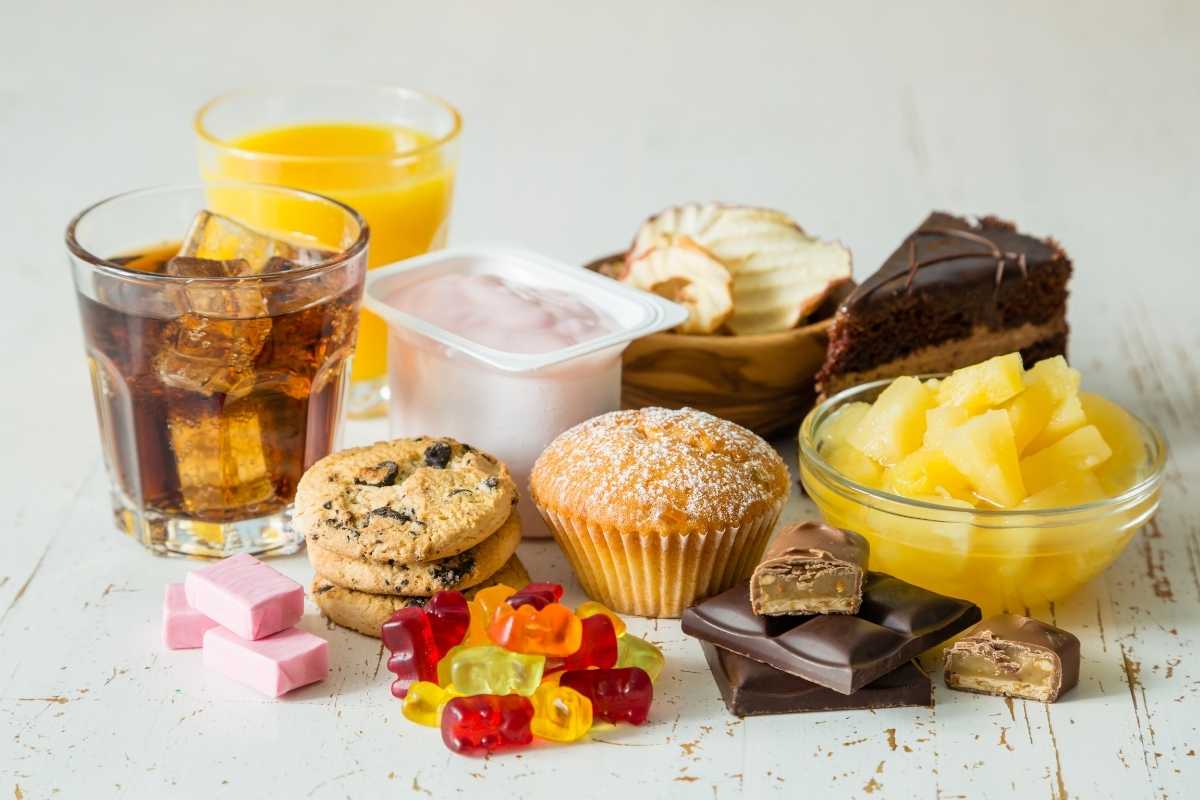
3. Sticky or Chewy Foods
Sticky foods can tug at stitches or disturb the implant site.
Avoid:
- Caramel
- Taffy
- Gum
- Chewy candy
These foods can pull at healing tissue and increase discomfort.
4. Spicy Foods
Spicy foods may irritate the surgical area and cause burning sensations. They can also increase inflammation during early recovery.
If you love spicy meals, wait until your dentist confirms healing is progressing normally.
5. Extremely Hot Foods and Beverages
Heat can dissolve the protective blood clot forming over the surgical site. Losing that clot can delay healing and increase pain.
Avoid:
- Hot coffee
- Tea
- Soup (if steaming hot)
Instead, choose lukewarm or cool options during the first few days.
6. Acidic Foods and Drinks
Acidic items can irritate sensitive tissues and slow healing.
Examples include:
- Citrus fruits
- Orange juice
- Tomato-based sauces
- Soda
These beverages can also increase bacterial growth, which is not ideal during recovery.
7. Alcohol
Alcohol should be avoided for at least several days after surgery. It can:
- Interfere with prescribed medications
- Slow healing
- Increase bleeding
- Raise infection risk
Dr. Keith Alvarez typically provides personalized guidance based on your health and procedure.
Foods You Can Safely Eat After Dental Implant Surgery
While there are many foods to avoid, there are still plenty of nutritious options you can enjoy.
Safe options include:
- Smoothies (no straw)
- Yogurt
- Mashed potatoes
- Applesauce
- Scrambled eggs
- Oatmeal
- Soft pasta
- Cottage cheese
- Blended soups (lukewarm)
Focus on nutrient-rich foods high in protein and vitamins to promote healing.
How Long Should You Avoid Certain Foods?
Recovery timelines vary depending on:
- Number of implants placed
- Bone grafting procedures
- Overall health
- Smoking status
- Oral hygiene habits
In most cases:
- Soft diet: 3–7 days
- Avoid hard/chewy foods: 2–4 weeks
- Full chewing force: After dentist approval
At Alvarez Family Dentistry, patients receive detailed aftercare instructions tailored to their specific treatment plan.
Additional Post-Surgery Tips for Implant Success
Beyond diet, proper care plays a major role in implant success.
Maintain Gentle Oral Hygiene
Brush carefully, avoiding the surgical site for the first few days. Use a prescribed antimicrobial rinse if recommended.
Avoid Using Straws
Suction can dislodge blood clots and interfere with healing.
Stay Hydrated
Drinking water supports tissue recovery and overall health.
Do Not Smoke
Smoking significantly increases implant failure risk and delays healing.
Why Choose Dr. Keith Alvarez for Dental Implants?
Dental implants require precision, experience, and careful follow-up care. Dr. Keith Alvarez provides comprehensive implant treatment at Alvarez Family Dentistry using advanced techniques designed for predictable results.
Patients in Carmel, IN, choose our practice because we offer:
- Thorough implant consultations
- Customized treatment planning
- Clear post-operative instructions
- Compassionate, patient-focused care
- Long-term preventive support
Your comfort, healing, and long-term success are our priority.
Protect Your Investment
Dental implants are a long-term solution designed to restore your smile for decades. Following dietary guidelines after surgery protects your implant, reduces complications, and ensures optimal healing.
If you have questions about your recovery or are considering dental implants, our team is here to help every step of the way. Book your appointment today and visit 1185 W Carmel Dr #D2, Carmel, IN 46032, United States.
FAQs
1. How soon can I eat normally after dental implant surgery?
Most patients can gradually return to normal foods after 2–4 weeks, but this depends on the healing progress. Always follow your dentist’s recommendations.
2. Can I drink coffee after dental implant surgery?
You should avoid hot coffee for at least 24–48 hours. Once swelling decreases, you may drink lukewarm coffee carefully.
3. What happens if I accidentally eat hard food too soon?
Eating hard food too early can irritate the surgical site or disrupt healing. If you experience pain or bleeding, contact Alvarez Family Dentistry immediately.