
1185 W Carmel Dr. #D2, Carmel, IN 46032

Why Do Dental Implants Fail? Causes and Warning Signs
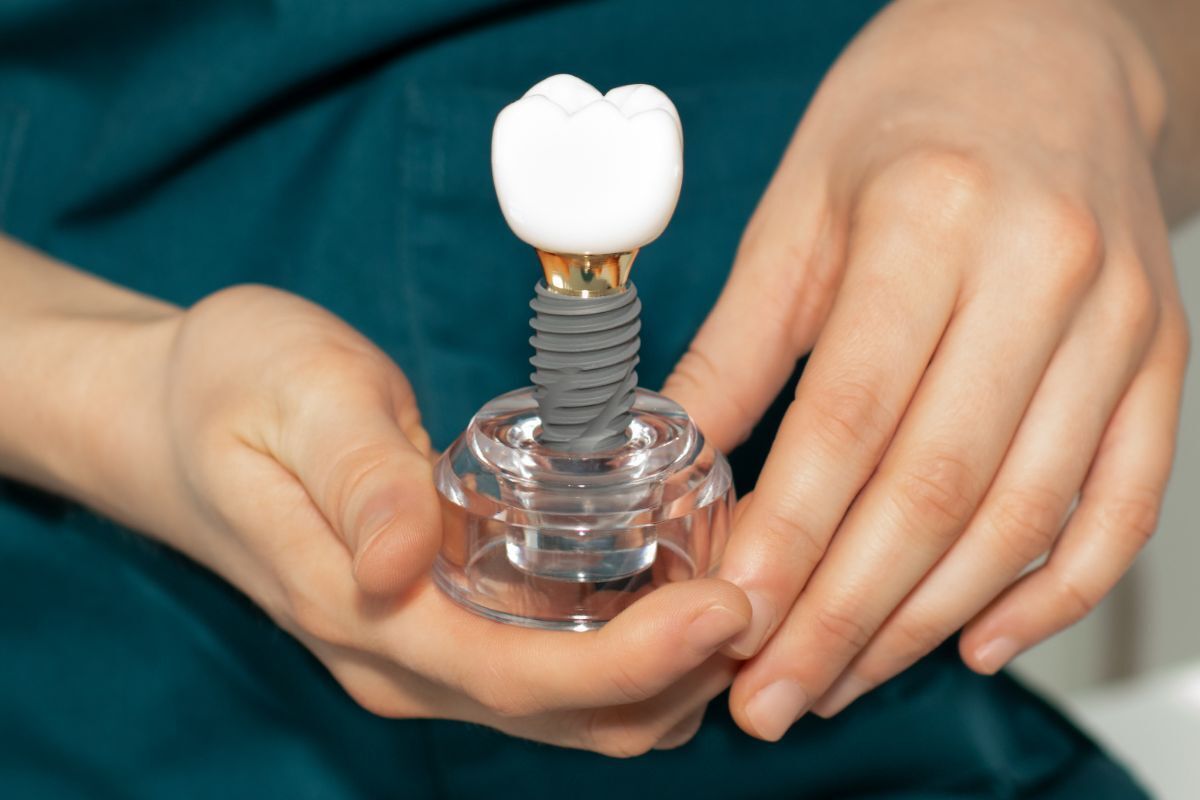
Are you worried that your implant could loosen, become infected, or fail years after treatment? Although dental implants have become a widely used option for replacing missing teeth, they still require healthy bone, gums, proper placement, and ongoing care. U.S. data show implant use has increased considerably over the past two decades, especially among older adults.
At Alvarez Family Dentistry, based in Carmel, Dr. Alvarez helps patients understand both treatment and long-term implant maintenance. If you are considering dental implants in Carmel, knowing why complications occur can help you recognize problems sooner.
At our dental office, we believe patients should understand what protects an implant before deciding on treatment. This guide explains common causes of implant failure, warning signs, risk factors, and steps that support long-term oral health.
Why Do Dental Implants Fail?
Implant failure occurs when an implant does not integrate properly with the jawbone or loses stability after successful healing. Problems may develop shortly after placement or years later.
Failure usually involves one or more factors affecting osseointegration, gum health, bone support, or bite forces. Infection, smoking, uncontrolled health conditions, insufficient bone, and excessive pressure can all influence implant health.
What Causes a Dental Implant to Fail?
Understanding the cause matters because implant complications do not all develop for the same reason.
Common contributing factors include:
- Poor osseointegration: The implant fails to establish a stable connection with the surrounding bone.
- Peri-implant disease: Bacterial inflammation affects the gum and supporting bone around an implant.
- Smoking: Tobacco use can interfere with healing and is associated with poorer implant health.
- Uncontrolled diabetes: Poor glycemic control may delay healing and increase peri-implant inflammation.
- Insufficient bone support: Inadequate bone volume or density can affect implant stability.
- Excessive bite forces: Teeth grinding or an unbalanced bite may place repeated stress on the restoration.
- Poor oral hygiene: Plaque accumulation around an implant can increase inflammation.
A history of periodontal disease also deserves attention. Patients with a history of gum disease may require closer periodontal monitoring before and after implant treatment.
Early vs. Late Implant Failure: What Is the Difference?
Early failure happens before stable integration with the jawbone is achieved. Late failure develops after the implant has already functioned successfully.
Early problems may relate to impaired healing, infection, insufficient initial stability, or other factors affecting osseointegration.
Late problems often involve inflammation around the implant, progressive bone loss, excessive bite pressure, or inadequate maintenance. This distinction helps the dentist determine why the problem occurred and what treatment may be appropriate.
What Are the Warning Signs of a Failing Dental Implant?
Some complications cause obvious symptoms. Others develop gradually and may first appear during a professional examination.
Watch for:
- New or increasing implant mobility
- Swollen, red, or tender gums
- Bleeding around the implant
- Pus or persistent drainage
- Pain when chewing
- Gum recession near the restoration
- A change in how your bite feels
- Difficulty chewing comfortably
A loose crown does not automatically mean the implant itself has failed. Sometimes the restoration or connecting component needs attention while the implant remains stable.
That distinction is one reason professional evaluation matters. Patients concerned about dental implants in Carmel can book an appointment with us rather than trying to diagnose implant movement at home. Our dentist, Dr. Alvarez, can evaluate the implant, restoration, surrounding tissue, and bite to identify the source of the problem.
Can Peri-Implantitis Cause Implant Failure?
Yes, peri-implantitis is an inflammatory condition involving the tissues around an implant and progressive loss of supporting bone.
Research has associated smoking and a history of periodontitis with increased peri-implantitis risk. Because early inflammation may cause few noticeable symptoms, routine examinations and professional cleanings remain important even when an implant feels normal.
At our practice, implant maintenance focuses on more than checking whether the replacement tooth looks intact. Gum condition, plaque accumulation, bite stability, and supporting structures also require attention.
Can a Failing Implant Be Saved?
Not every implant-related problem requires implant removal. The appropriate response depends on the cause, severity, bone support, infection, and implant stability.
Early inflammation may sometimes be managed before extensive supporting tissue is lost. A loose restoration may need repair rather than implant replacement. More advanced bone loss or significant implant mobility may require a different approach.
Do not wait until you have severe pain before requesting an examination. Implant complications can progress without dramatic symptoms.
How Can You Lower the Risk of Implant Failure?
Long-term implant care starts before surgery and continues after the final restoration is placed.
Patients can support implant health by:
- Brushing thoroughly twice daily.
- Cleaning carefully between teeth and around implant restorations.
- Attending recommended dental examinations and cleanings.
- Avoiding tobacco products.
- Managing medical conditions with appropriate healthcare guidance.
- Reporting bleeding, swelling, pain, or movement promptly.
- Addressing teeth grinding or bite problems when recommended.
Following post-operative instructions also matters during initial healing. At our dental office, we explain what patients should expect after treatment and which symptoms deserve further evaluation.
Protect Your Implant With Professional Follow-Up Care
A replacement tooth is an investment in function, comfort, and oral health, but its care does not end when treatment is complete. Regular monitoring helps identify inflammation, bite changes, restoration problems, and other concerns before they become harder to manage.
If you are considering dental implants in Carmel or have concerns about an existing implant, visit our dental office for an evaluation. Alvarez Family Dentistry provides implant treatment and guidance to support long-term maintenance. Schedule a consultation to understand your options and the care your restoration may require.
Frequently Asked Questions
1. Can an implant fail years after it is placed?
Yes, late complications can occur after years of normal function. Peri-implant disease, progressive bone loss, smoking, poor plaque control, or excessive bite forces may contribute. Regular examinations allow a dentist to monitor the surrounding gums, bone support, restoration, and bite. If you notice new movement, bleeding, swelling, or discomfort, schedule a dental evaluation instead of waiting for the problem to worsen.
2. Is pain around an implant always a sign of failure?
No, pain does not automatically mean the implant has failed. Discomfort can have several causes, including gum inflammation, infection, bite pressure, or a problem with the restoration. Persistent or new pain still requires professional evaluation. A dentist can examine the area and use appropriate diagnostic methods to determine whether the implant, surrounding tissue, or restoration needs treatment.
3. What happens if an implant becomes loose?
A loose implant requires prompt examination; first, determine what is actually moving. Sometimes the crown or another restorative component becomes loose while the implant remains stable in the bone. True implant mobility can indicate loss of integration or supporting bone. Avoid repeatedly testing the area yourself. Arrange an examination to identify the source of movement.
4. Does smoking increase the risk of implant problems?
Yes, smoking is associated with poorer implant health and may interfere with healing. Research has also linked smoking with increased peri-implantitis risk. Patients who smoke should discuss tobacco use openly with their dentist before treatment. This allows the dental team to assess individual risk factors, discuss cessation strategies, and establish an appropriate maintenance schedule after implant placement.
5. How often should an implant be professionally checked?
The right schedule depends on your gum health, oral hygiene, medical history, previous periodontal disease, and other individual risk factors. Routine visits allow the dental team to assess the restoration, surrounding tissue, bite, and implant stability. Patients with higher risk factors may require closer monitoring. Follow the recall schedule recommended by your dental team rather than waiting for symptoms to appear.