

1185 W Carmel Dr. #D2, Carmel, IN 46032

How Dental Implants Can Help Restore Your Smile After Tooth Loss
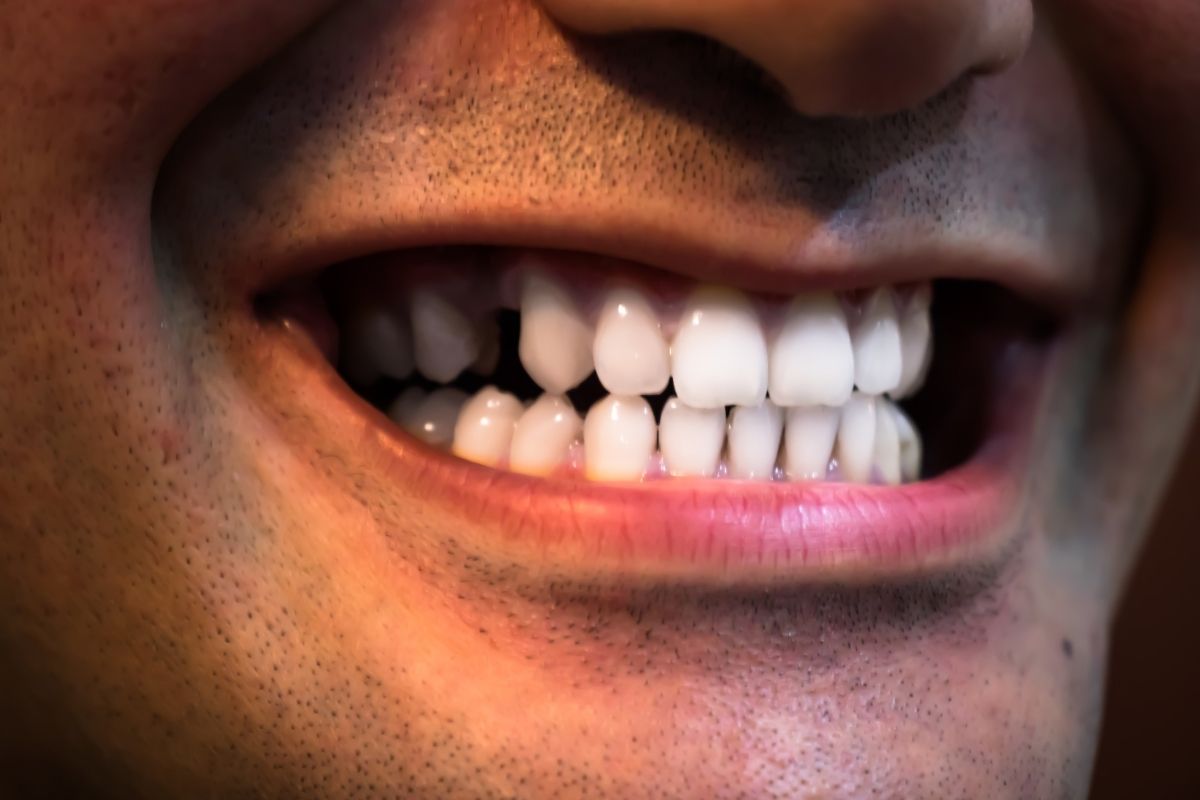
Losing a tooth can affect far more than your appearance. It can impact your confidence, your ability to eat comfortably, and even your long-term oral health. Fortunately, modern dentistry offers a highly effective and long-lasting solution: dental implants.
Dental implants are widely considered the gold standard for replacing missing teeth because they restore both the function and appearance of natural teeth. If you have experienced tooth loss due to decay, injury, or gum disease, dental implants can help you regain a healthy, confident smile.
If you’re considering dental implants in Carmel, understanding how they work and why they’re so effective can help you make an informed decision about restoring your smile.
Understanding Tooth Loss and Its Impact
Tooth loss is more common than many people realize. It can occur for several reasons, including:
- Severe tooth decay
- Gum disease (periodontitis)
- Dental trauma or injury
- Failed dental procedures
- Aging and wear over time
While losing a tooth may seem like only a cosmetic concern, the reality is that missing teeth can lead to several oral health problems, including:
- Shifting of neighboring teeth
- Difficulty chewing certain foods
- Speech issues
- Jawbone deterioration
- Changes in facial structure
When a tooth is missing, the jawbone no longer receives stimulation from the tooth root. Over time, this can cause the bone to shrink or deteriorate. Dental implants help prevent this process by replacing the missing tooth root.
What Are Dental Implants?
A dental implant is a small titanium post that acts as an artificial tooth root. It is surgically placed into the jawbone, where it gradually integrates with the bone through a process called osseointegration.
Once the implant has fully fused with the jawbone, it serves as a strong foundation for a replacement tooth, such as:
- A dental crown for a single missing tooth
- A dental bridge for multiple missing teeth
- A full arch restoration or implant-supported dentures
Because implants are anchored directly into the jawbone, they provide unmatched stability and durability compared to traditional tooth replacement options.
How Dental Implants Restore Your Smile
Dental implants do much more than simply fill a gap in your smile. They provide a comprehensive solution that restores both appearance and functionality.
1. Restoring Natural Appearance
Dental implants are designed to look and feel like natural teeth. The custom crown placed on top of the implant is carefully crafted to match the color, shape, and size of your surrounding teeth.
This means your replacement tooth blends seamlessly with your smile, making it difficult for others to tell that you ever lost a tooth.
2. Improving Chewing and Eating Comfort
Missing teeth can make it difficult to chew certain foods, especially hard or crunchy items. Many patients with tooth loss avoid foods like nuts, apples, or steak because chewing becomes uncomfortable.
Dental implants restore your bite strength, allowing you to enjoy your favorite foods again without worry or discomfort.
3. Preventing Bone Loss
One of the most significant benefits of dental implants is their ability to preserve jawbone health.
When an implant is placed, it stimulates the jawbone in a similar way to a natural tooth root. This stimulation helps maintain bone density and prevents the bone deterioration that often occurs after tooth loss.
Preserving jawbone structure also helps maintain your natural facial shape and prevents the sunken appearance sometimes associated with missing teeth.
4. Enhancing Speech
Missing teeth can affect the way you pronounce certain words. Gaps in your smile may cause slurring or difficulty speaking clearly.
Dental implants restore proper tooth alignment and support normal speech patterns, helping you speak with confidence.
5. Providing Long-Lasting Results
Unlike traditional bridges or dentures that may need replacement over time, dental implants are designed to be a long-term solution.
With proper care and regular dental checkups, implants can last 20 years or longer, and many patients enjoy them for a lifetime.
Who Is a Good Candidate for Dental Implants?
Most adults who have lost one or more teeth may be good candidates for dental implants. Ideal candidates typically have:
- Healthy gums
- Adequate jawbone density
- Good overall health
- Commitment to maintaining oral hygiene
Even if you’ve been told in the past that you lack enough bone for implants, modern techniques such as bone grafting may make implant treatment possible.
A comprehensive dental exam and imaging will help determine the best treatment plan for your individual needs.
The Dental Implant Procedure: What to Expect
Many patients feel nervous about the implant process, but modern techniques make the procedure safe, comfortable, and highly predictable.
Here’s what the typical implant process looks like:
Initial Consultation
Your dentist will perform a thorough exam, review your medical history, and take digital imaging to evaluate your jawbone and oral health.
Implant Placement
The implant post is placed into the jawbone during a minor surgical procedure. Local anesthesia ensures that the process is comfortable.
Healing and Osseointegration
Over the next few months, the implant fuses with the surrounding bone. This creates a strong and stable foundation for the replacement tooth.
Placement of the Crown
Once healing is complete, a custom dental crown is attached to the implant. The result is a fully functional, natural-looking tooth.
Dental Implants vs. Other Tooth Replacement Options
Patients often compare dental implants with traditional solutions such as bridges and dentures.
Dental Bridges
Bridges rely on neighboring teeth for support. While they can replace missing teeth, they often require altering healthy teeth and may not prevent bone loss.
Dentures
Dentures are removable appliances that replace multiple missing teeth. While effective, they may shift while speaking or eating and typically need periodic adjustments.
Dental Implants
Dental implants stand out because they:
- Replace both the tooth and the root
- Preserve jawbone health
- Provide superior stability
- Offer the most natural appearance and function
For many patients, implants represent the closest alternative to natural teeth.
Caring for Your Dental Implants
Dental implants are easy to care for and require the same basic oral hygiene habits as natural teeth.
To keep your implants healthy:
- Brush twice daily
- Floss regularly
- Attend routine dental checkups
- Avoid tobacco use
- Maintain a balanced diet
With proper care, your implants can remain strong and functional for decades.
Why Patients Choose Dental Implants
Dental implants have transformed the way dentists treat tooth loss. Patients appreciate the benefits of a solution that is durable, natural-looking, and supportive of long-term oral health.
For individuals who want to restore their smile and regain confidence, implants provide a reliable and life-changing option.
Modern dental technology and personalized treatment planning make the implant process smoother and more comfortable than ever before.
Restore Your Smile with Dental Implants
Tooth loss doesn’t have to define your smile or limit your lifestyle. Dental implants offer a permanent, natural-looking solution that restores both your oral health and your confidence.
If you’re ready to explore your options for dental implants and learn how they can transform your smile, professional dental care is just a call away. Schedule your appointment today and visit our dental office at 1185 W Carmel Dr # D2, Carmel, IN 46032.
FAQs
1. How long do dental implants last?
Dental implants can last 20 years or more with proper care. Many patients enjoy their implants for a lifetime when they maintain good oral hygiene and regular dental visits.
2. Are dental implants painful?
Most patients report minimal discomfort during the implant procedure. Local anesthesia ensures comfort, and mild soreness after surgery typically resolves within a few days.
3. How long does the dental implant process take?
The entire implant process usually takes several months, allowing time for the implant to fuse with the jawbone before the final crown is placed.
4. Are dental implants better than dentures?
Dental implants offer greater stability, preserve jawbone health, and function more like natural teeth compared to removable dentures.
5. Who is not a good candidate for dental implants?
Patients with uncontrolled gum disease, severe bone loss, or certain medical conditions may need additional treatment before receiving implants. A dental consultation can determine eligibility.