
1185 W Carmel Dr. #D2, Carmel, IN 46032

How Dentists Detect and Treat Early Tooth Decay Before It Gets Worse
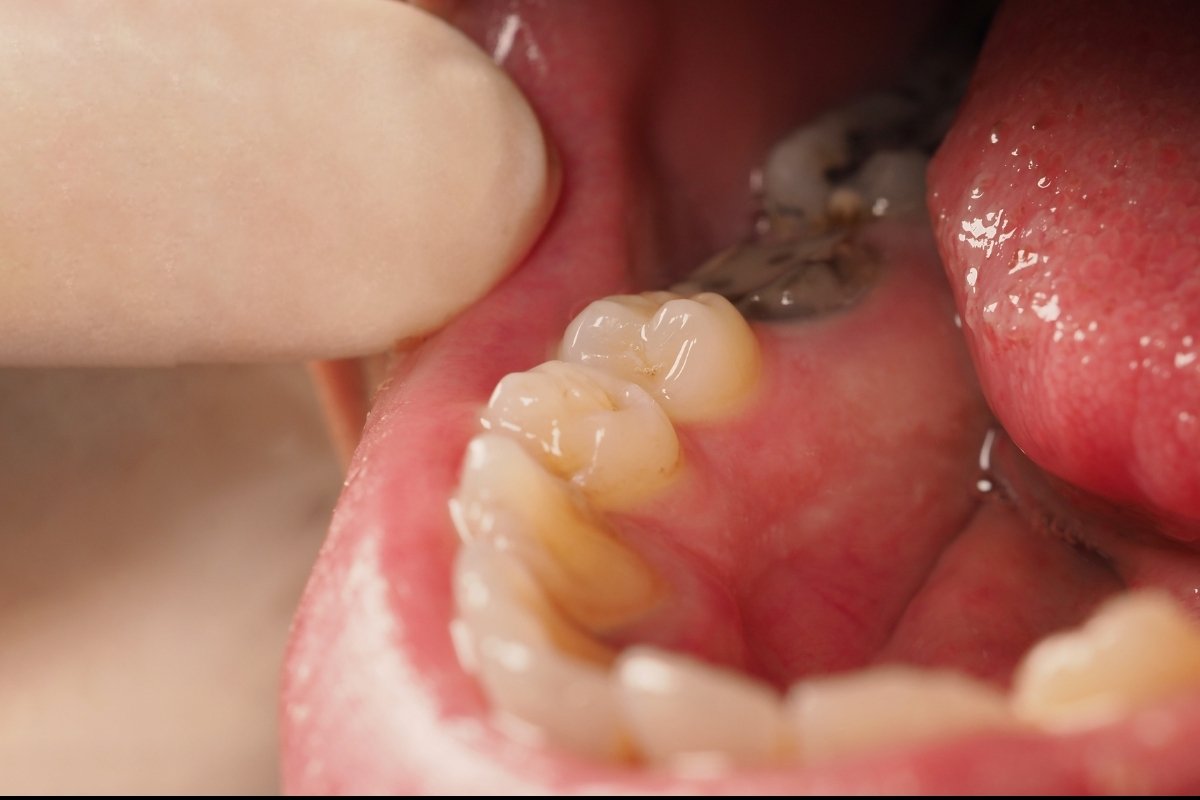
Tooth decay is one of the most common dental problems worldwide—but the good news is, when detected early, it’s also one of the most easily treatable. Modern dentistry offers several ways to spot decay before it causes serious damage, helping you avoid pain, infection, and costly restorative procedures later. Here’s how dentists identify and treat early tooth decay to keep your smile healthy and strong.
How Dentists Detect Early Tooth Decay
1. Comprehensive Dental Exams
Regular dental checkups are the first line of defense against cavities. During an exam, your dentist inspects your teeth and gums for visible signs of decay, such as discoloration, rough spots, or softening of enamel. Even the tiniest changes in your tooth surface can indicate early demineralization—the first stage of decay.
2. Digital X-rays for Hidden Cavities
Sometimes, decay develops between teeth or beneath existing fillings where it’s not visible to the naked eye. Digital X-rays allow your dentist to detect these hidden cavities with precision. The advanced imaging produces immediate, detailed results while using much lower radiation than traditional film X-rays.
3. Laser and Fluorescence Detection
Many modern practices use laser-based or fluorescence cavity detection systems that can highlight weak or decayed areas before they become visible on X-rays. These devices identify subtle changes in tooth density, allowing dentists to treat decay early, often without drilling.
4. Visual and Tactile Examination
Dentists use a small mirror and dental explorer (a fine-tipped instrument) to feel for soft spots or sticky areas on your tooth surface. This hands-on assessment complements high-tech tools for an accurate diagnosis.
How Early Tooth Decay Is Treated
1. Remineralization Treatments
In the earliest stages of decay—when enamel is just starting to lose minerals—your dentist may reverse the process using fluoride varnishes, gels, or toothpaste. These help rebuild weakened enamel and stop decay in its tracks without the need for drilling or filling.
2. Dental Sealants
Sealants are thin protective coatings applied to the chewing surfaces of back teeth. They prevent bacteria and food particles from settling into deep grooves where decay often begins. Sealants are especially helpful for children and teens, but adults can benefit, too.
3. Fillings for Small Cavities
If the decay has progressed beyond remineralization, your dentist will remove the affected area and fill the space with a tooth-colored composite resin. This stops further decay and restores the tooth’s natural shape and function.
4. Fluoride and Oral Hygiene Guidance
Dentists often recommend professional fluoride treatments and improved at-home care to maintain strong enamel. Brushing twice a day, flossing daily, and reducing sugary foods all play vital roles in preventing decay from returning.
Why Early Detection Matters
Catching tooth decay early can save you from more invasive procedures such as crowns, root canals, or even extractions. Regular visits to your dentist in Carmel ensure that any early signs of decay are detected and treated before they cause lasting harm. Remember—decay doesn’t stop on its own; timely treatment is the key to long-term oral health.
Keep Your Smile Healthy—Act Early!
If you suspect early signs of decay or it’s been more than six months since your last checkup, now is the time to act. Visit 1185 W Carmel Dr # D2, Carmel, IN 46032 for a comprehensive exam and preventive care tailored to your smile. Don’t wait for decay to worsen—schedule your appointment today and protect your teeth for years to come!
FAQs About Early Tooth Decay
1. What are the first signs of tooth decay?
Early signs include white spots on teeth, mild sensitivity to hot or cold foods, and slight discoloration. At this stage, decay can often be reversed with fluoride treatment.
2. How often should I visit the dentist to check for decay?
It’s best to visit your dentist every six months for exams and cleanings. If you’re prone to cavities, your dentist may recommend more frequent visits.
3. Can I reverse tooth decay naturally?
Early enamel demineralization can sometimes be reversed with good oral hygiene and fluoride, but once a cavity forms, it requires professional treatment.
4. Does tooth decay always cause pain?
Not always. Small cavities may not cause any discomfort, which is why routine dental checkups are essential for early detection.
5. What happens if I ignore early tooth decay?
Untreated decay can progress deeper into the tooth, causing infection, severe pain, and even tooth loss. Early treatment prevents these complications.