
1185 W Carmel Dr. #D2, Carmel, IN 46032

How to prevent cavities before they start ?

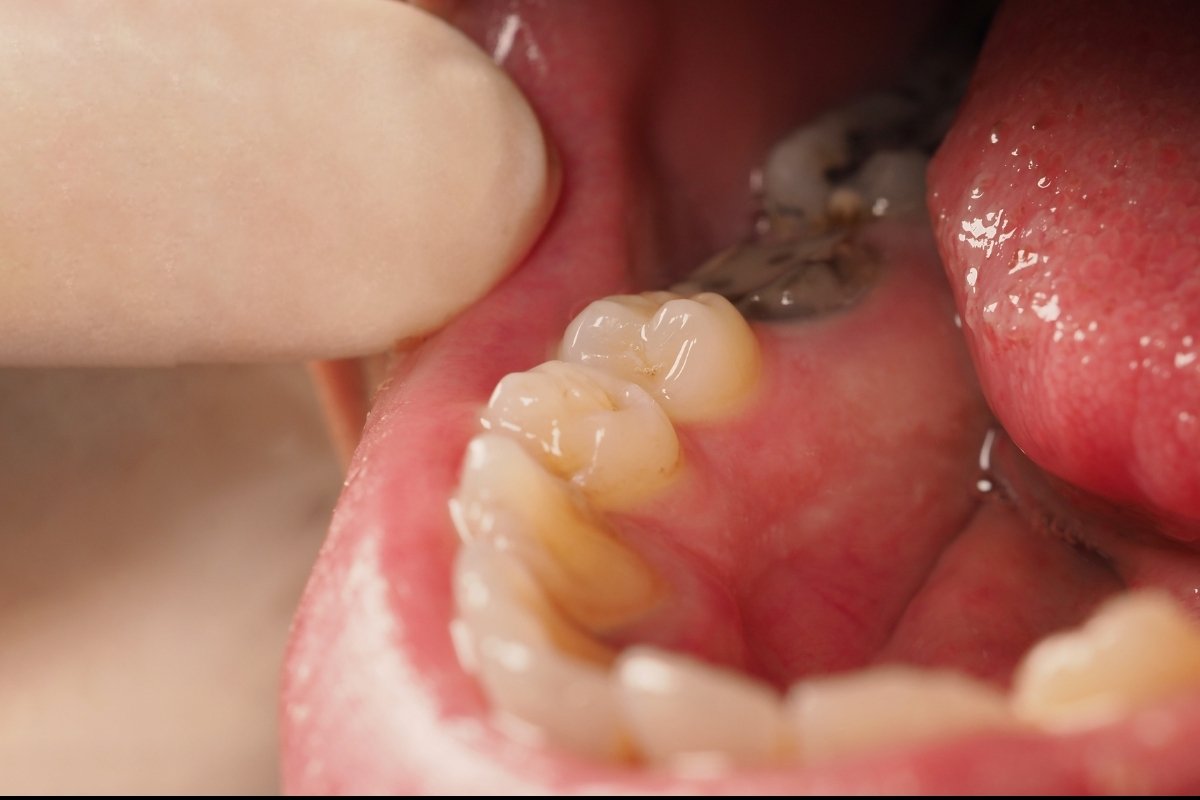
Tooth decay is one of the most common dental issues people of all ages face. Cavities form when bacteria in the mouth produce acids that erode tooth enamel, leading to small holes or decay. While fillings and restorations can treat cavities, prevention is always the best approach.
If you’re looking to maintain a healthy smile and avoid dental problems in the future, your best resource is a dentist, who can guide you with professional cleanings and personalized oral hygiene advice. But there’s also plenty you can do at home to stop cavities before they start.
Here’s how to keep your teeth strong, healthy, and cavity-free.
1. Brush Properly Twice a Day
Brushing your teeth is the most basic—and most important—defense against cavities. But it’s not just about frequency; how you brush matters.
Tips for effective brushing:
- Use a soft-bristled toothbrush and fluoride toothpaste.
- Brush for at least 2 minutes, twice a day.
- Angle the brush toward the gum line and use small circular motions.
- Be thorough—don’t forget to brush the back teeth, inner surfaces, and tongue.
Ask your dentist to demonstrate proper brushing techniques during your next visit.
2. Don’t Skip Flossing
Even if you brush regularly, you’re only cleaning about 60% of your tooth surfaces. Flossing removes plaque and food particles from between the teeth and under the gumline—areas your toothbrush can’t reach.
Flossing tips:
- Floss at least once a day.
- Gently glide the floss between your teeth and curve it into a “C” shape.
- Avoid snapping the floss, which can damage the gums.
If traditional floss is tricky to use, try floss picks, interdental brushes, or a water flosser.
3. Limit Sugary and Acidic Foods
Sugar feeds harmful bacteria in your mouth, which in turn produce acids that attack your enamel. Acidic foods and drinks can directly weaken enamel as well.
Foods to watch out for:
- Candy, especially sticky types
- Soda, sports drinks, and fruit juices
- Citrus fruits and vinegary foods
- Processed carbs like chips and white bread
What to do:
- Eat sugary foods as part of a meal (not snacks).
- Rinse with water after eating acidic items.
- Chew sugar-free gum to stimulate saliva and neutralize acids.
4. Drink Plenty of Water
Water is essential for overall health, but it also plays a major role in cavity prevention.
How water helps:
- Rinses away food particles and bacteria
- Stimulates saliva production
- Helps maintain a healthy pH balance in the mouth
- Keeps your mouth hydrated, preventing dry mouth (a risk factor for decay)
In Carmel and many other areas, tap water is fluoridated, giving you an extra cavity-fighting boost. Drink it throughout the day instead of sugary drinks.
5. Use Fluoride Products
Fluoride is a natural mineral that helps rebuild weakened enamel and prevent cavities. Most dentists recommend daily exposure to fluoride through toothpaste or mouth rinse.
Ways to get fluoride:
- Brush with fluoride toothpaste
- Use a fluoride mouthwash
- Drink fluoridated water
- Ask your dentist about in-office fluoride treatments
Your dentist can assess your risk level and recommend the right type and amount of fluoride for you or your child.
6. Eat a Tooth-Friendly Diet
Certain foods can actually help your teeth resist decay.
Good choices include:
- Crunchy fruits and vegetables (e.g., apples, carrots, celery)
- Dairy products like cheese and yogurt (rich in calcium and phosphates)
- Whole grains and nuts
- Green and black teas (contain polyphenols that reduce bacteria)
These foods stimulate saliva, strengthen enamel, and promote a healthier oral environment.
7. Consider Dental Sealants
Dental sealants are a thin protective coating applied to the chewing surfaces of the back teeth (molars), where cavities often start.
Sealants are particularly recommended for:
- Children and teens with new permanent molars
- Adults at high risk of decay
The procedure is quick, painless, and can provide protection for years. Your dentist can let you know if sealants are right for you or your child.
8. Maintain Regular Dental Checkups
No matter how diligent you are at home, it’s essential to visit your dentist at least twice a year for professional cleanings and exams.
Why it matters:
- Early signs of decay can be detected and treated before they worsen.
- Tartar buildup (hardened plaque) is removed.
- Your dentist can provide personalized cavity prevention tips.
Preventive care is often covered by dental insurance and costs far less than fillings or other restorative treatments.
9. Protect Your Teeth From Grinding
If you grind your teeth at night (a condition called bruxism), you may be wearing down your enamel without realizing it.
Signs of grinding:
- Headaches or jaw pain in the morning
- Flattened or chipped teeth
- Tooth sensitivity
Wearing a custom night guard provided by your dentist can prevent damage and reduce the risk of cavities related to enamel erosion.
10. Start Oral Care Early with Kids
Tooth decay is one of the most common chronic diseases in children—but it’s entirely preventable with the right care from an early age.
Tips for parents:
- Start brushing your child’s teeth as soon as the first tooth appears.
- Use a smear of fluoride toothpaste for kids under 3; a pea-sized amount for kids 3–6.
- Schedule your child’s first dental visit by their first birthday.
- Teach and model good oral hygiene habits.
Your local pediatric or family dentist can help monitor your child’s development and apply preventive measures like sealants or fluoride treatments.
Preventing cavities is a lifelong commitment—but it’s also completely achievable with the right knowledge and habits. By combining smart daily care, a balanced diet, and regular dental visits, you can keep your smile healthy and avoid the pain and cost of tooth decay.
If you’re due for a checkup or have questions about your oral health, schedule an appointment with a trusted dentist in Carmel, IN. Your dentist can assess your risk for cavities, provide personalized recommendations, and help you build a prevention plan that works.