
1185 W Carmel Dr. #D2, Carmel, IN 46032

How to Restore Tooth Enamel Naturally: What Actually Works

Can you restore or rebuild tooth enamel naturally? You can support the remineralization of weakened enamel, but you cannot naturally regrow enamel that has already been permanently lost. Fluoride, saliva, good oral hygiene, reduced acid exposure, and a tooth-friendly diet can help strengthen remaining enamel and slow further damage. If enamel has been significantly eroded, chipped, or lost because of decay, professional tooth enamel repair may be necessary.
This guide will help you understand what causes tooth enamel erosion, how to restore tooth enamel naturally, prevent further erosion, and maintain a healthier smile.
What Is Tooth Enamel and Why Is It Important?
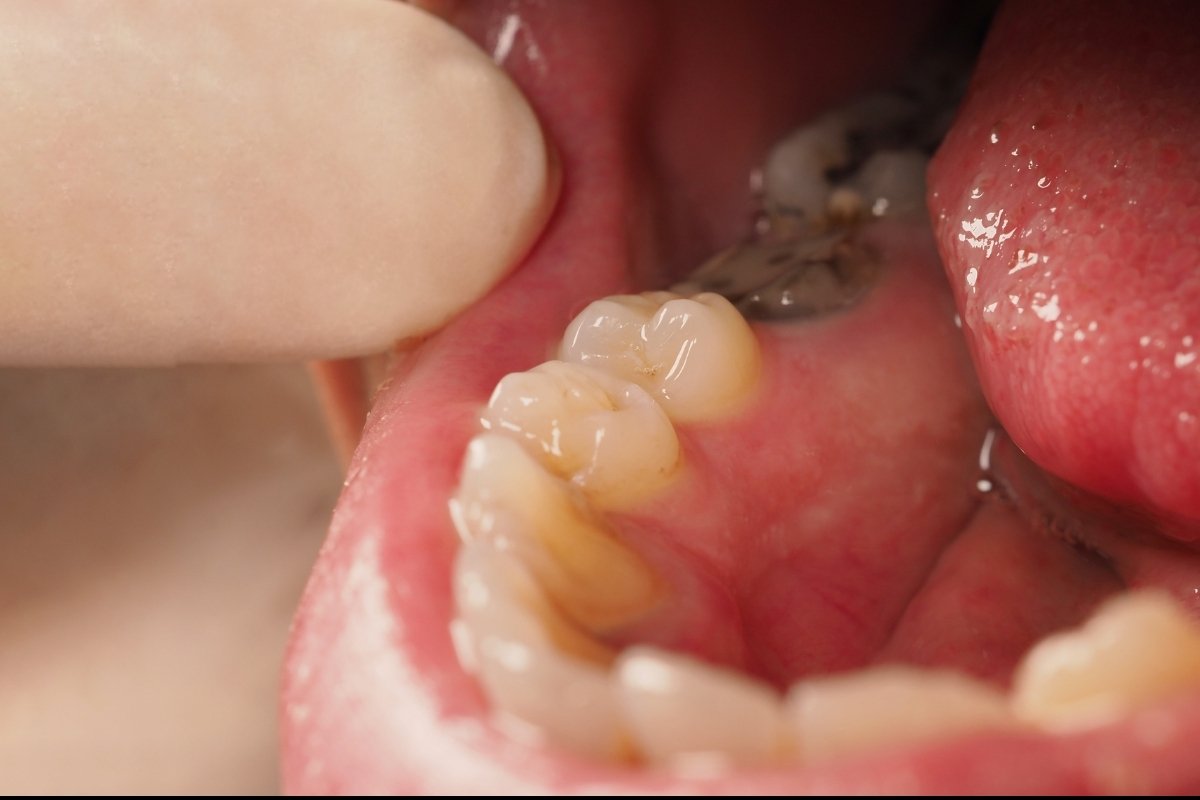
Enamel is the thin, protective outer layer that shields your teeth from daily wear and tear. It plays a vital role in protecting against cavities, sensitivity, and decay. When enamel weakens or erodes, teeth become vulnerable to discoloration, pain, and long-term dental problems.
Since enamel doesn’t regenerate like other tissues, prevention and protection are key. By making the right lifestyle and dietary choices, you can help keep your enamel strong for years to come.
What Causes Tooth Enamel Erosion?
Enamel erosion occurs when acids wear away the mineralized surface of a tooth.
Unlike early demineralization, significant physical enamel loss is irreversible because the missing enamel cannot grow back.
Common contributors include:
Acidic drinks
Frequent consumption of soda, sports drinks, energy drinks, and acidic juices can expose teeth to acids.
Acidic foods
Citrus fruits, vinegar-based foods, and other acidic foods may contribute when consumed frequently.
Acid reflux and GERD
Stomach acid can reach the mouth and contribute to dental erosion.
Dry mouth
Reduced saliva means less natural protection against acids.
Frequent snacking
Repeated exposure to sugars and acids can increase the number of acid attacks your teeth experience.
Tooth grinding
Bruxism can contribute to mechanical tooth wear and may compound existing enamel damage.
Aggressive brushing
Excessive brushing pressure can contribute to tooth surface wear.
Signs You May Have Enamel Erosion
Enamel erosion can develop gradually. Possible signs include:
- Tooth sensitivity
- Sensitivity to cold or hot foods
- Sensitivity to sweets
- Yellowish-looking teeth
- Translucent tooth edges
- Rough or uneven tooth surfaces
- Small chips
- Changes in tooth shape
- Cupping or indentations on chewing surfaces
If you notice these changes, don’t assume that a home remedy will restore the enamel. A dental examination can help determine whether you’re experiencing enamel erosion, tooth wear, tooth decay, or another condition.
How to Restore Tooth Enamel Naturally
If your enamel is weakened but still intact, the goal is to protect the remaining enamel and support remineralization. Here are practical ways to help restore the mineral balance of your teeth.
Use Fluoride Toothpaste
Fluoride is one of the most established ways to help strengthen enamel and support remineralization.
Brush twice daily with fluoride toothpaste using a soft-bristled toothbrush. Fluoride can help make enamel more resistant to acid attacks and support the repair of early mineral loss.
Remember: More toothpaste or harder brushing does not mean stronger enamel. Use gentle pressure and brush thoroughly.
Give Saliva a Chance to Protect Your Teeth
Your saliva is an important part of your natural enamel-defense system.
It helps:
- Neutralize acids
- Wash away food particles
- Supply minerals such as calcium and phosphate
- Support remineralization
- Protect against repeated acid attacks
A dry mouth can reduce these protective effects.
Drink water regularly, and consider sugar-free gum after meals if appropriate to stimulate saliva production.
If you frequently experience dry mouth, talk with a dentist in Carmel or healthcare professional about possible causes.
Drink More Water
Water can help rinse away food debris and dilute acids in your mouth.
Choose water instead of frequently sipping:
- Soda
- Sports drinks
- Energy drinks
- Sweetened beverages
- Acidic juices
If you consume an acidic food or beverage, drinking water afterward can help reduce the amount of acid remaining in your mouth.
Reduce Frequent Sugar Exposure
Sugar contributes to the tooth-decay process because oral bacteria can metabolize fermentable carbohydrates and produce acids.
The frequency of exposure matters.
Instead of repeatedly snacking on sugary foods or sipping sweetened drinks throughout the day, keep these exposures less frequent and maintain good oral hygiene.
Avoid Aggressive Brushing
If you’re trying to restore tooth enamel naturally, brushing harder is not the solution.
Aggressive brushing can contribute to tooth wear, particularly when combined with acidic exposure.
Use:
- A soft-bristled toothbrush
- Gentle pressure
- Fluoride toothpaste
- Proper brushing technique
If you notice sensitivity or worn areas near the gumline, ask the dentist to evaluate the cause.
How Is Damaged Tooth Enamel Repaired?
When enamel has been physically lost, the goal changes from remineralization to protecting and restoring the remaining tooth structure.
The appropriate treatment depends on:
- How much enamel has been lost
- The cause of the damage
- Whether dentin is exposed
- Whether decay is present
- The location of the damaged tooth
- Your overall oral health
Depending on the situation, professional treatment may include preventive fluoride care or restorative options such as:
Dental bonding
Tooth-colored composite resin can sometimes restore the shape and appearance of areas where tooth structure has been lost.
Dental veneers
Veneers may be considered for certain cosmetic and structural concerns involving the visible surfaces of teeth.
Dental crowns
A dental crowns may be appropriate when a tooth has experienced substantial structural damage and requires greater coverage and protection.
Treatment for tooth decay
If enamel loss is related to a cavity, treating the decay is essential rather than relying on home care alone.
A dentist in Carmel can tailor treatments to your individual needs, ensuring your enamel gets the best possible protection.
Can You Rebuild Tooth Enamel at Home?
You can support the rebuilding of minerals in weakened enamel, but you cannot rebuild enamel that has already been lost.
The term ‘rebuilding tooth enamel’ is often used to describe two different concepts: remineralization of weakened enamel and regeneration of lost enamel.
Remineralization
Enamel remineralization is the natural process of returning minerals to weakened areas of tooth enamel.
Your saliva contains minerals that can contribute to this process. Fluoride can also help strengthen enamel and make it more resistant to future acid attacks.
Regeneration
New enamel would need to be biologically produced to replace missing enamel.
Adult teeth do not naturally regenerate lost enamel.
Therefore, the best approach at home is to create conditions that favor remineralization and prevent additional mineral loss.
That means:
- Use fluoride toothpaste.
- Control plaque.
- Limit frequent sugar exposure.
- Reduce acidic foods and drinks.
- Drink water.
- Support healthy saliva flow.
- Avoid abrasive DIY enamel treatments.
Frequently Asked Questions
1. Can tooth enamel grow back naturally?
No. Mature tooth enamel cannot regenerate after it has been physically lost. However, weakened enamel may be strengthened through remineralization.
2. Can you rebuild tooth enamel at home?
You can support remineralization of weakened enamel at home, but you cannot replace enamel that has already been physically lost.
3. Can enamel erosion be reversed?
Early mineral loss may be remineralized, but enamel that has physically eroded away cannot grow back. Treatment focuses on stopping further damage and restoring the tooth when necessary.
4. What is the best way to strengthen enamel?
Daily fluoride exposure, good oral hygiene, reduced acid exposure, limited frequent sugar intake, healthy saliva flow, and regular dental care are key ways to protect and strengthen remaining enamel.
5. Does fluoride restore tooth enamel?
Fluoride can support remineralization of weakened enamel and improve resistance to acid attacks. It does not regenerate enamel that has already been physically lost.
6. What is the best enamel repair home remedy?
There is no home remedy that can replace lost enamel. The most useful home measures are fluoride toothpaste, good oral hygiene, water, reduced acid exposure, and saliva stimulation.
7. When should I see a dentist for enamel loss?
See a dentist if you have persistent sensitivity, visible enamel loss, tooth wear, chips, discoloration, pain, or suspected decay. Early evaluation can help prevent additional damage.
Protect Your Enamel Before You Lose More
The best way to restore tooth enamel naturally is to protect the enamel you still have and support remineralization before mineral loss progresses. Fluoride toothpaste, good oral hygiene, healthy saliva flow, water, and reduced exposure to acidic and sugary foods can all help.
But remineralization is not the same as regrowing enamel. Once tooth enamel has been physically lost, it cannot regenerate naturally.
If you’re experiencing tooth sensitivity, enamel erosion, visible tooth wear, or changes in your teeth, a dental evaluation can identify the underlying cause and determine whether preventive care or professional tooth enamel repair is appropriate.
Schedule a consultation with Alvarez Family Dentistry to discuss your enamel concerns and find the right approach for protecting your smile.