
1185 W Carmel Dr. #D2, Carmel, IN 46032

What Happens When the Tooth Pulp Becomes Infected? Causes, Symptoms, and Treatment

Tooth pain is never pleasant, and when it becomes severe or persistent, it may be more than just a cavity. One common cause of intense dental pain is an infection in the tooth pulp — the soft inner tissue that contains nerves and blood vessels. Understanding what happens when the pulp becomes infected, what causes it, and how it’s treated can help you take quick action to save your tooth and prevent further complications.
What Is Tooth Pulp and Why Is It Important?
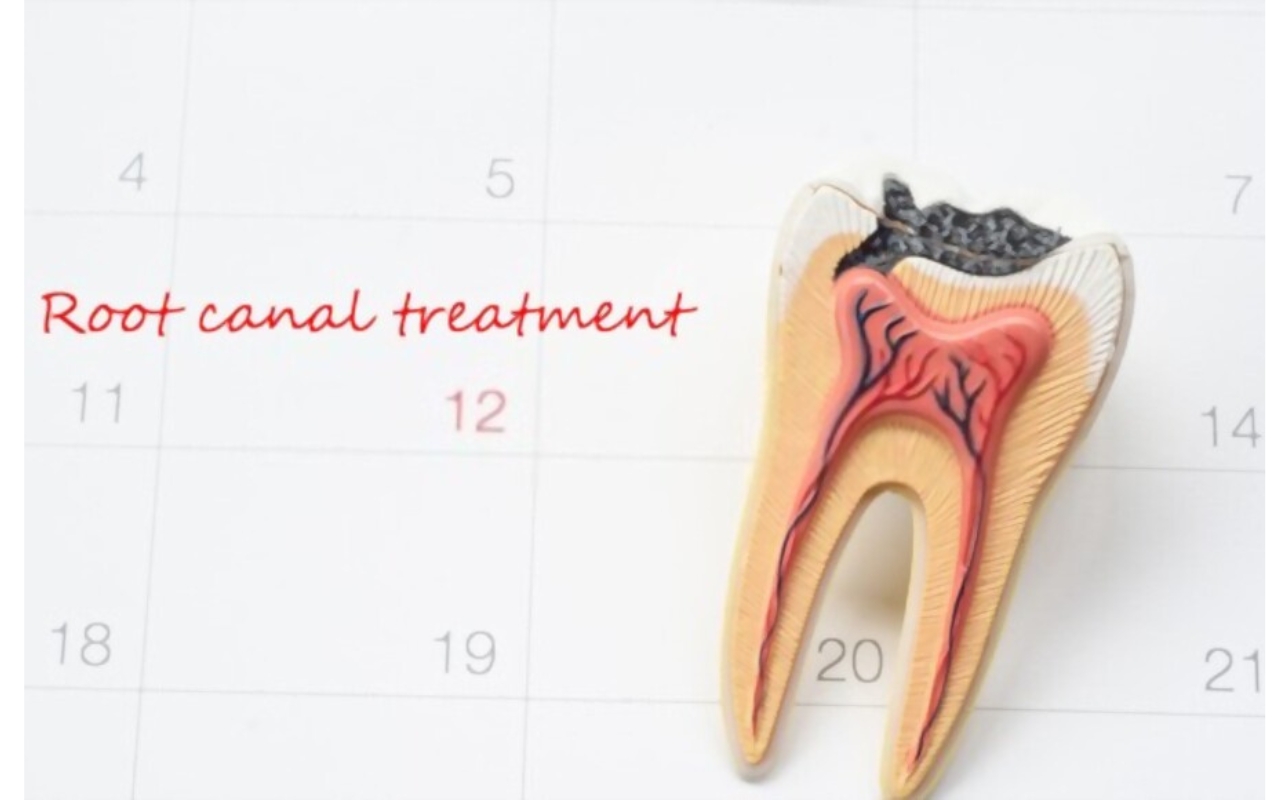
The tooth pulp is located at the center of each tooth, extending from the crown (top part) down through the roots into the jawbone. It contains nerves, connective tissue, and blood vessels that keep your tooth alive and sensitive to temperature and pressure.
When the pulp becomes inflamed or infected, the condition is known as pulpitis. Without treatment, the infection can spread beyond the tooth to surrounding tissues, causing serious pain and even jawbone or systemic infections.
What Causes Tooth Pulp Infection?
A tooth pulp infection typically develops when bacteria enter the inner layers of the tooth. This can happen for several reasons, including:
- Untreated cavities: Deep decay can eat through the enamel and dentin, allowing bacteria to reach the pulp.
- Cracked or chipped teeth: A break in the enamel creates a pathway for bacteria to enter.
- Repeated dental procedures: Multiple restorations on the same tooth can weaken its structure and irritate the pulp.
- Trauma to the tooth: A hard impact, even without visible damage, can injure the pulp tissue.
- Gum disease: Advanced periodontal infections can affect the tooth roots and pulp.
Regardless of the cause, once bacteria invade the pulp, the body reacts with inflammation — leading to swelling, pain, and, if untreated, pulp death.
Common Symptoms of an Infected Tooth Pulp
Recognizing the signs early is crucial for prompt treatment. Symptoms of a pulp infection may include:
- Persistent toothache: Ranging from dull throbbing to sharp pain, especially when chewing or applying pressure.
- Sensitivity: Increased discomfort when consuming hot, cold, or sweet foods and drinks.
- Swelling and tenderness: Around the gums or jaw near the affected tooth.
- Discoloration: The tooth may appear darker due to nerve damage.
- Bad taste or odor: Caused by pus from an abscessed tooth.
- Fever or facial swelling: Indicating the infection has spread.
If you experience any of these symptoms, you should see your dentist in Carmel IN, immediately. The sooner the infection is addressed, the better your chances of saving the tooth.
How Is a Tooth Pulp Infection Diagnosed?
Your dentist will begin by examining your tooth and reviewing your symptoms. They may also take digital X-rays to determine the extent of the infection and whether it has spread to the surrounding bone. Diagnostic tests like pulp vitality tests may also be performed to assess the health of the tooth nerve.
Treatment Options for an Infected Tooth Pulp
The primary goal of treatment is to remove the infection, relieve pain, and preserve the natural tooth whenever possible. Common treatment options include:
1. Root Canal Therapy
This is the most common and effective treatment for an infected tooth pulp. During a root canal, your dentist removes the infected pulp, cleans the inner canals, disinfects them, and fills the space with a biocompatible material. Finally, the tooth is sealed and restored with a crown to prevent further damage.
A successful root canal eliminates the infection and allows you to keep your natural tooth for many years.
2. Pulpotomy or Pulpectomy
For children or early-stage infections, a pulpotomy (partial removal of pulp) or pulpectomy (complete removal) may be performed to preserve the developing tooth and maintain space for adult teeth.
3. Tooth Extraction
If the infection is too severe or the tooth is structurally unsalvageable, extraction may be the only option. In such cases, your dentist can discuss tooth replacement options, such as dental implants or bridges, to restore function and aesthetics.
How to Prevent Tooth Pulp Infections
Preventing pulp infections starts with good oral hygiene and regular dental visits. Here’s how you can protect your teeth:
- Brush twice daily with fluoride toothpaste.
- Floss every day to remove plaque and food particles.
- Visit your dentist every six months for exams and cleanings.
- Wear a mouthguard during sports to prevent dental trauma.
- Address cavities, cracks, or sensitivity early before they worsen.
Taking preventive steps now can save you from the discomfort, time, and cost of treating an infected pulp later.
Don’t Ignore Tooth Pain — Get Expert Care Today
A tooth pulp infection won’t heal on its own — in fact, delaying treatment can lead to severe pain and even tooth loss. If you’re experiencing symptoms like persistent toothache or sensitivity, it’s important to see a dentist right away for proper diagnosis and care.
Book an appointment today to get relief and protect your oral health with expert dental care. Your smile deserves prompt attention and long-lasting protection!