

1185 W Carmel Dr. #D2, Carmel, IN 46032

How to Stop Throbbing Pain After a Root Canal
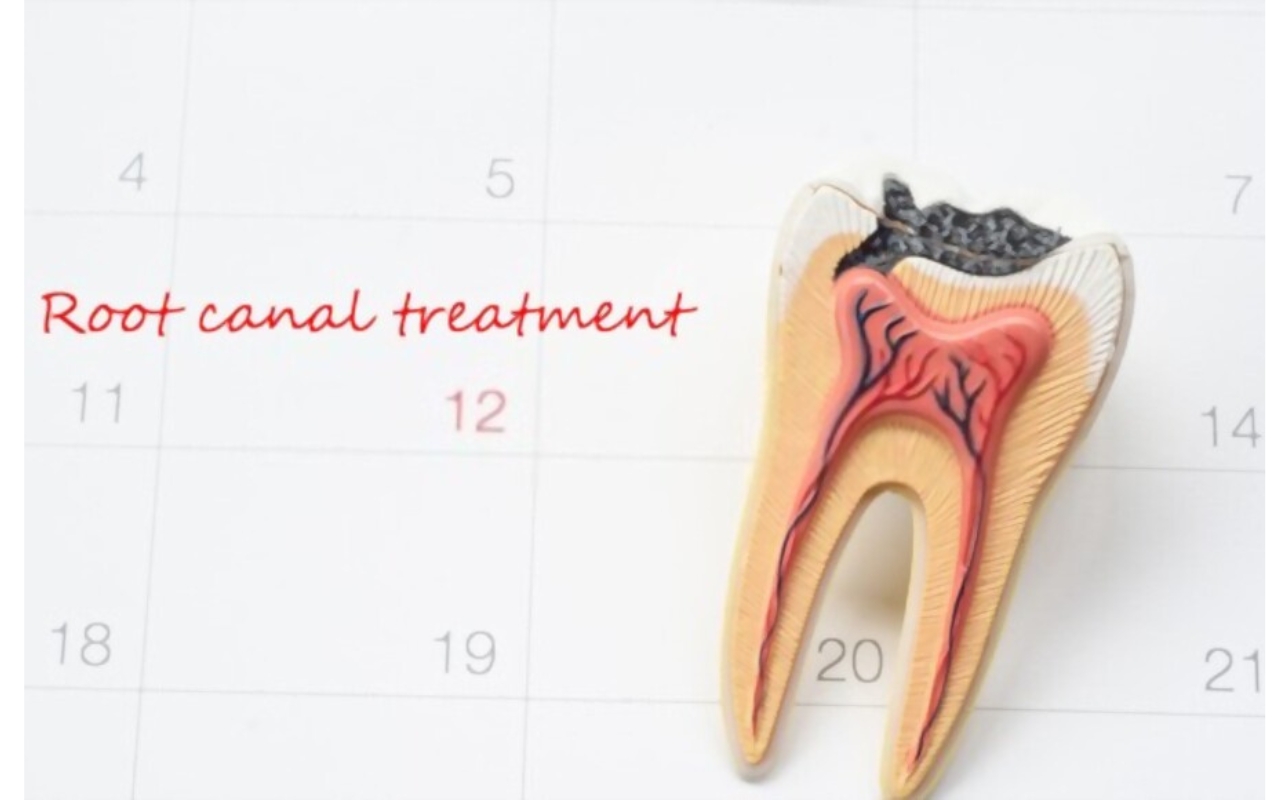
A root canal is often the best way to save a tooth that has been damaged by deep decay, infection, or trauma. While the procedure is designed to relieve pain, it’s not uncommon for patients to experience some discomfort or throbbing afterward. The good news is that this pain is typically temporary and manageable with the right care. In this blog, we’ll explain why post-root canal pain happens, how to stop throbbing pain, and when you should call your dentist for help.
Why Does Throbbing Pain Happen After a Root Canal?
A root canal involves cleaning out infected pulp tissue, disinfecting the inside of the tooth, and sealing it. During this process, the nerves and tissues surrounding the tooth can become irritated. Inflammation is the body’s natural healing response, and it can sometimes result in temporary throbbing pain or sensitivity after the procedure.
Some common reasons for discomfort include:
- Inflammation in the surrounding tissue – caused by the cleaning and shaping of the root canals.
- Mild trauma to the tooth – from dental instruments or prolonged mouth opening.
- Temporary bite imbalance – if the treated tooth sits higher than the surrounding teeth.
- Healing process – the body’s natural response as the area recovers.
Most patients notice improvement within a few days, but in some cases, discomfort can last for a week or more.
Effective Ways to Stop Throbbing Pain After a Root Canal
If you’re experiencing throbbing pain, here are some strategies to help you find relief:
1. Take Over-the-Counter Pain Relievers
Medications such as ibuprofen or acetaminophen are highly effective in reducing pain and inflammation. Always follow your dentist’s recommendations and the directions on the packaging.
2. Use Cold Compresses
Applying an ice pack or cold compress on the outside of your cheek near the treated area can help reduce swelling and numb discomfort. Use it in 15-minute intervals for best results.
3. Watch What You Eat
Avoid chewing on the treated tooth until your dentist has placed a permanent crown or filling. Stick to soft foods and avoid anything hard, sticky, or crunchy that could irritate the area.
4. Keep Your Head Elevated
When resting or sleeping, use an extra pillow to keep your head elevated. This position reduces blood flow to the affected tooth and can minimize throbbing pain.
5. Maintain Good Oral Hygiene
Gently brushing and flossing around the treated tooth helps prevent bacteria from causing further irritation or infection. Be careful not to apply too much pressure to the area.
6. Follow Your Dentist’s Post-Op Instructions
Your dentist may prescribe antibiotics or special care instructions depending on your situation. Following these directions carefully is key to faster healing.
When to Call Your Dentist
While mild pain is normal, certain symptoms may indicate complications that require professional care:
- Severe pain that doesn’t improve after a few days.
- Swelling in your face or jaw.
- Persistent fever or signs of infection.
- Pain when biting down, even after adjustments.
If you notice any of these issues, contact your dentist right away to ensure proper healing.
Long-Term Relief After Root Canal Treatment
Once your tooth has fully healed, you shouldn’t feel any ongoing pain. A properly restored tooth should function just like your natural teeth, allowing you to chew, smile, and speak comfortably. That’s why it’s important to follow through with the final restoration, usually a crown, to protect the treated tooth from future damage.
If you are searching for reliable care, root canal treatment in Carmel, patients can count on local dental professionals for lasting results and compassionate care.
FAQs About Root Canal Pain
1. How long should throbbing pain last after a root canal?
Most discomfort subsides within a few days to a week. If pain persists longer than 10 days, schedule a check-up with your dentist.
2. Can I go back to work after a root canal?
Yes. Many patients return to work the same day or the next. Mild discomfort is normal but usually manageable with over-the-counter pain relievers.
3. Will the pain come back later?
Once the tooth is fully healed and restored, you shouldn’t experience recurring pain. If discomfort returns months or years later, it could indicate a new issue such as reinfection or damage.
Take the Next Step Toward Pain-Free Smiles
Throbbing pain after a root canal is common, but it doesn’t have to disrupt your life. By managing symptoms at home and following your dentist’s advice, you can expect relief within days. If your pain feels severe or lingers, don’t wait—professional care ensures your tooth heals properly and remains protected.
For expert care and lasting results, book an appointment at 1185 W Carmel Dr. #D2, Carmel, IN 46032 today. Your healthy, pain-free smile is just a visit away.