1185 W Carmel Dr. #D2, Carmel, IN 46032

Can You Eat Normally After Getting Cosmetic Bonding? Dos and Don’ts
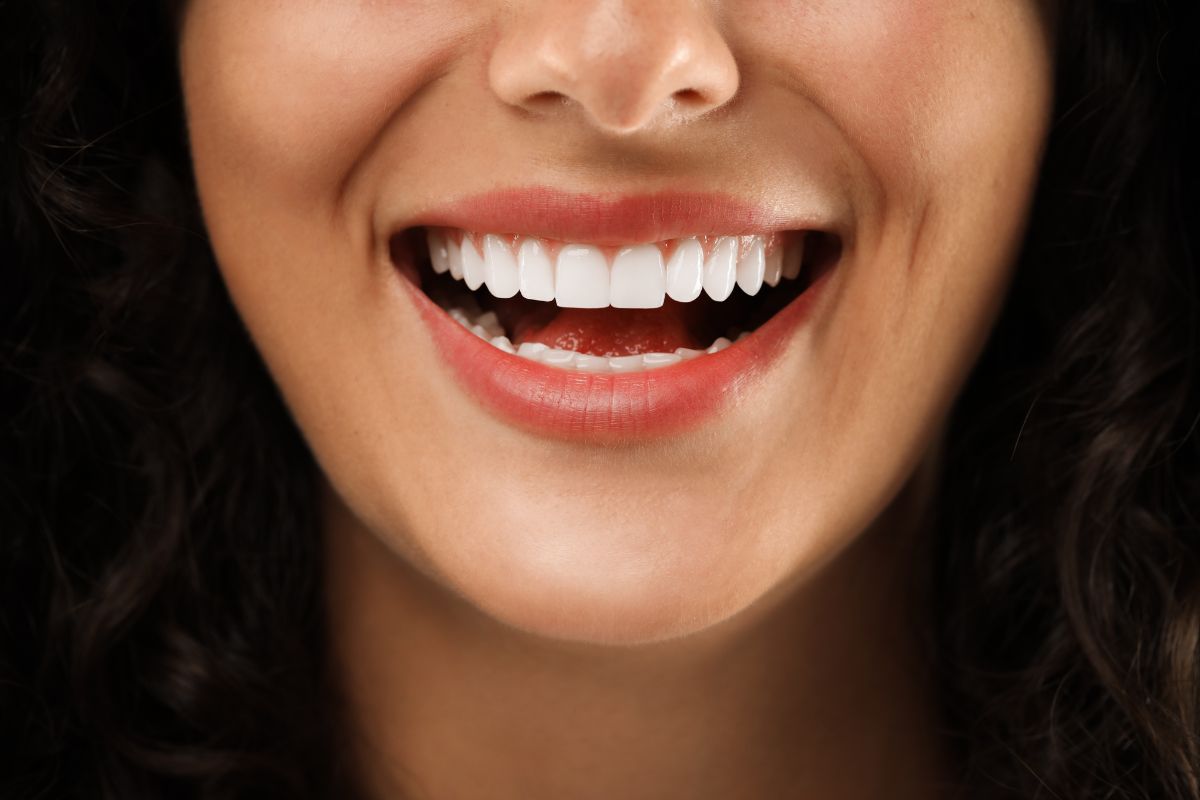
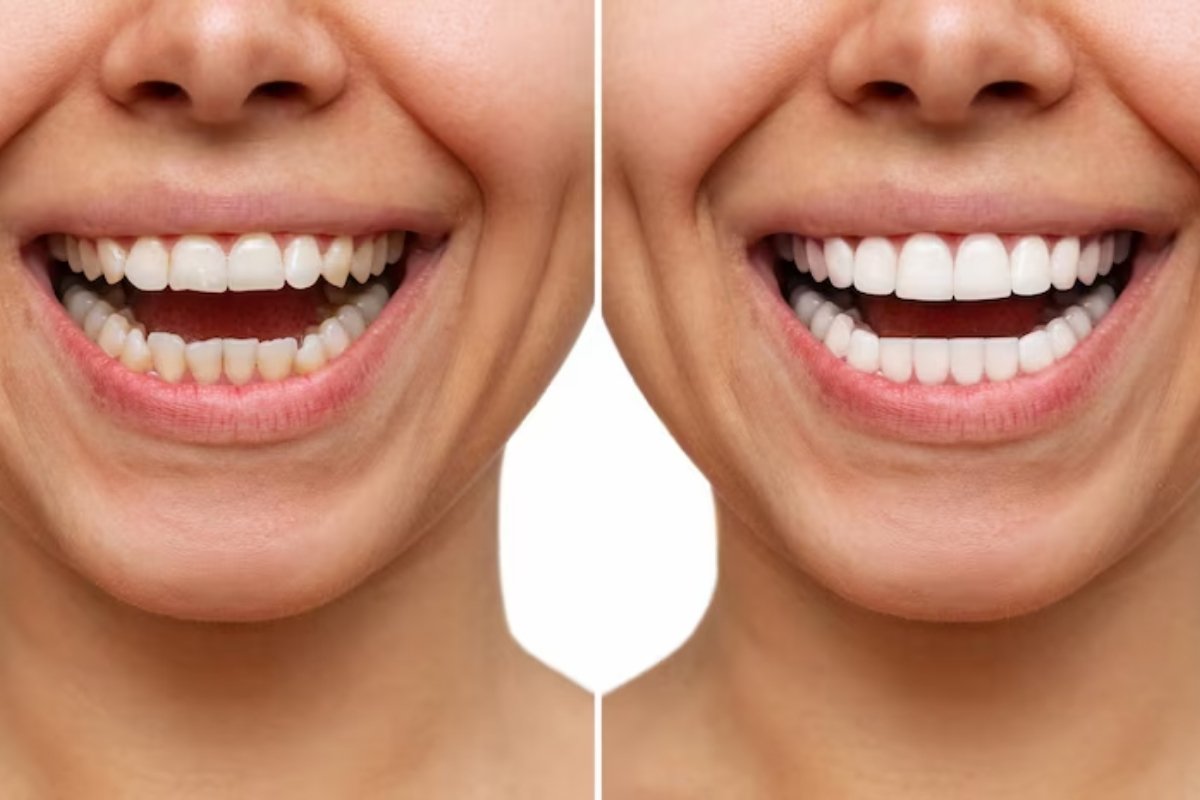
Cosmetic bonding is a popular dental procedure that enhances the appearance of your teeth by repairing chips, discoloration, or gaps using a tooth-colored composite resin. It is a quick, non-invasive, and cost-effective way to achieve a beautiful smile. However, after getting cosmetic bonding, many patients wonder if they can eat normally. Understanding the dos and don’ts of eating after the procedure can help maintain the longevity of your bonded teeth and prevent damage.
Can You Eat Normally After Cosmetic Bonding?
Yes, you can eat after getting cosmetic bonding, but you need to be mindful of what and how you eat, especially in the first 24-48 hours when the resin is still settling. While the material used in bonding is durable, it is not as strong as natural enamel or dental crowns. Adopting good eating habits can help prevent premature wear and damage.
Dos: What You Can Eat and Best Practices
- Stick to Soft Foods Initially
- In the first 24 hours, opt for soft foods such as yogurt, scrambled eggs, pasta, mashed potatoes, and smoothies to reduce pressure on the bonded teeth.
- Cut Food into Smaller Pieces
- Avoid biting directly into hard foods. Instead, cut apples, sandwiches, or meats into smaller, manageable pieces to reduce strain on the bonded areas.
- Drink Plenty of Water
- Staying hydrated helps maintain overall oral health and prevents dry mouth, which can affect bonding durability.
- Practice Good Oral Hygiene
- Brush with a soft-bristled toothbrush and use non-abrasive toothpaste to prevent unnecessary wear on the bonded teeth.
- Floss daily to prevent plaque buildup around the bonded areas.
- Visit Your Dentist for Regular Checkups
- Regular dental visits help ensure your bonding remains intact and any minor issues can be addressed before they worsen.
Don’ts: Foods and Habits to Avoid
- Avoid Hard, Crunchy Foods
- Stay away from nuts, hard candies, ice cubes, popcorn kernels, and raw vegetables that can exert pressure and cause chipping.
- Minimize Staining Foods and Drinks
- The composite resin used in bonding is more prone to staining than natural teeth. Avoid coffee, tea, red wine, dark sodas, and highly pigmented foods (like berries and soy sauce), especially in the first 48 hours.
- Say No to Sticky and Chewy Foods
- Caramel, chewing gum, toffee, and gummy candies can pull on the bonded material and weaken its attachment to the tooth.
- Don’t Bite Directly into Hard Objects
- Avoid using your teeth to open packaging, bite fingernails, or chew on pens and pencils, as this can lead to cracks or damage.
- Avoid Smoking and Excessive Alcohol Consumption
- Tobacco and alcohol can stain and weaken the composite resin over time, affecting the aesthetics and durability of your bonding.
How Long Should You Be Cautious?
While bonding can last several years with proper care, being cautious in the first 24-48 hours is crucial, as the material is still setting. Long-term care involves avoiding bad habits like nail biting, excessive consumption of staining foods, and chewing on hard objects.
Cosmetic bonding offers an effective and minimally invasive way to enhance your smile, but taking care of your bonded teeth is essential for long-lasting results. By following these dos and don’ts, you can eat comfortably while ensuring your bonding remains intact. If you have concerns about what you can eat or experience discomfort after the procedure, book an appointment with your dentist for guidance.
By following these dos and don’ts, you can enjoy your new smile without compromising the durability of your cosmetic bonding.