1185 W Carmel Dr. #D2, Carmel, IN 46032

How Cosmetic Bonding Fixes Discoloration, Uneven Edges, and Cracked Teeth
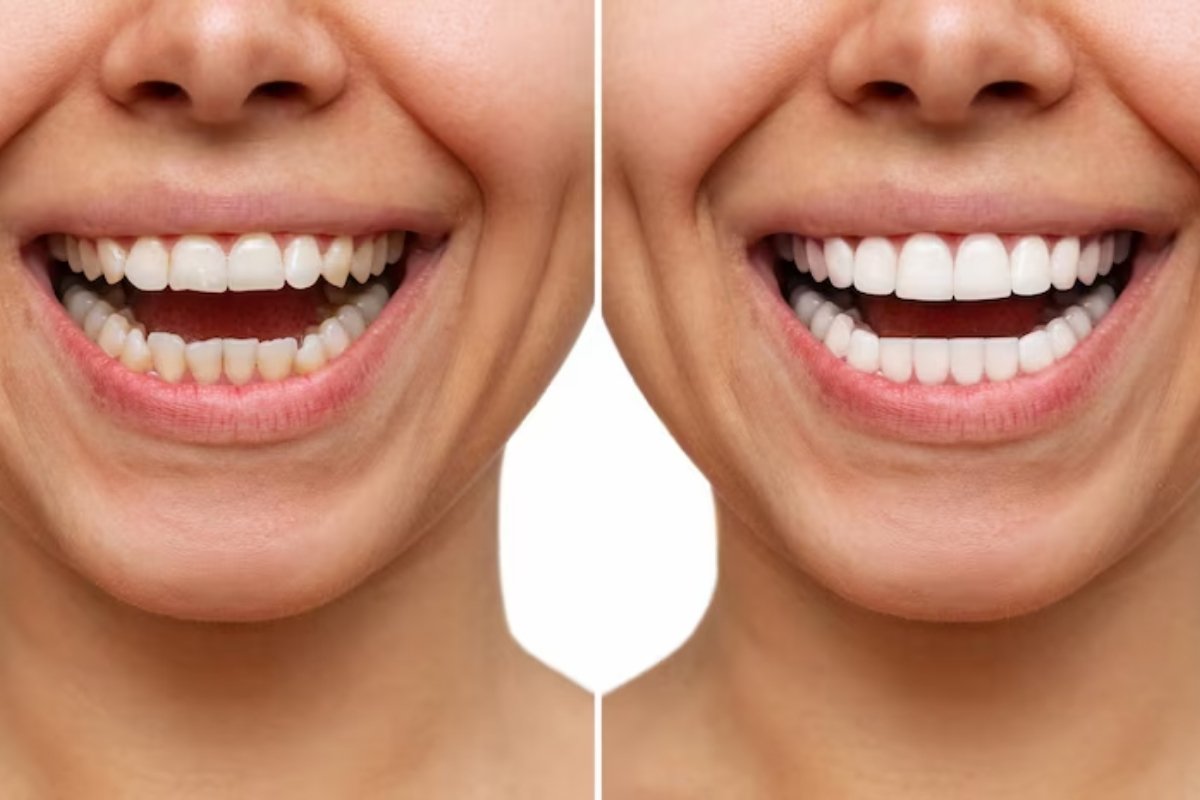
When it comes to improving your smile, you don’t always need expensive or invasive procedures. Cosmetic dental bonding is one of the simplest and most effective ways to restore chipped, discolored, or uneven teeth—often in a single visit. Using a tooth-colored composite resin, cosmetic bonding can transform your smile with natural-looking results at an affordable cost.
If you’ve been hiding your smile due to stains, cracks, or uneven teeth, this quick and painless solution could be exactly what you need. Let’s explore how cosmetic bonding works, the problems it fixes, and why it’s such a popular choice among patients looking for a confidence-boosting smile makeover.
What Is Cosmetic Bonding?
Cosmetic bonding is a dental procedure in which a dentist applies a tooth-colored composite resin to repair or enhance the appearance of your teeth. The material is carefully molded, shaped, and polished to blend seamlessly with your natural tooth enamel.
This resin is the same material used for tooth-colored fillings, but is specifically applied for cosmetic purposes—to correct imperfections that affect the look of your smile rather than function alone. The treatment is typically completed in one appointment and requires little to no anesthesia.
How Cosmetic Bonding Works
The process of cosmetic bonding is straightforward and comfortable:
- Consultation and Shade Selection:
Your dentist examines your teeth and selects a resin shade that matches your natural tooth color for a seamless look. - Tooth Preparation:
Minimal preparation is needed. The surface of the tooth is gently roughened, and a conditioning liquid is applied to help the resin adhere effectively. - Resin Application and Shaping:
The composite resin is carefully applied and sculpted to correct imperfections—whether that’s a crack, discoloration, or uneven edge. - Curing and Polishing:
A special curing light hardens the resin within seconds. Once set, the bonded area is polished to match the shine and texture of your surrounding teeth.
In most cases, the entire process takes less than an hour per tooth.
1. Fixing Tooth Discoloration
Even with regular brushing and professional cleanings, teeth can become stained or discolored over time due to aging, diet, or lifestyle habits such as coffee, tea, or tobacco use. While whitening treatments are effective for surface stains, they may not work for deeper discoloration caused by enamel wear or internal staining.
Cosmetic bonding covers these stubborn stains by applying a thin layer of composite resin over the affected tooth, instantly improving its color and brightness. The result is a natural, uniform shade that looks completely authentic.
Why it’s effective:
- Hides intrinsic (internal) discoloration that whitening can’t remove.
- Offers customizable shades for perfect color matching.
- Delivers instant results—no multiple sessions required.
2. Repairing Uneven or Chipped Edges
If your teeth have minor chips or uneven edges, bonding can restore their natural symmetry. Over time, teeth may wear down or become uneven due to biting habits, grinding, or small injuries. Cosmetic bonding can fill in these imperfections, reshape the tooth, and create a balanced smile without the need for crowns or veneers.
Benefits:
- Painless correction of minor chips and shape irregularities.
- Preserves natural tooth structure—no drilling or extensive reshaping.
- Quick and affordable alternative to veneers.
The dentist sculpts the resin to smooth out the jagged or shortened edges, ensuring your teeth line up properly for a harmonious appearance.
3. Repairing Cracked or Fractured Teeth
Small cracks in the enamel can compromise both the look and strength of your teeth. Left untreated, even minor fractures can worsen over time. Cosmetic bonding seals these cracks, preventing further damage while restoring your tooth’s original appearance.
The resin not only conceals visible cracks but also adds strength to the tooth by bonding tightly to the enamel. For deeper fractures, bonding can be used alongside other restorative procedures for added protection.
Advantages:
- Prevents cracks from expanding.
- Improves both function and aesthetics.
- Strengthens weakened tooth surfaces.
Other Issues Cosmetic Bonding Can Fix
In addition to discoloration, uneven edges, and cracks, bonding can also address:
- Gaps between teeth (diastemas)
- Misshapen or undersized teeth
- Slight misalignments
- Worn or flattened enamel
This versatility makes bonding a great solution for patients looking for quick, affordable smile enhancement without the need for extensive dental work.
Benefits of Choosing Cosmetic Bonding
Cosmetic bonding offers several advantages that make it a popular choice among patients:
- Minimally Invasive: Little to no enamel removal required.
- Affordable: Less expensive than veneers or crowns.
- Quick Results: Often completed in a single visit.
- Natural Appearance: Composite resin blends perfectly with your teeth.
- Reversible: Since minimal tooth alteration is needed, bonding can often be reversed or updated easily.
Because the procedure is gentle, it’s suitable for both adults and teens seeking aesthetic improvement.
How to Care for Bonded Teeth
Proper care helps extend the life of your cosmetic bonding results. Follow these simple tips:
- Brush twice daily and floss regularly.
- Avoid biting into hard foods like ice or nuts.
- Limit coffee, wine, and tobacco to prevent staining.
- Schedule regular cleanings and checkups with your dentist.
With good care, bonding can last anywhere from 5 to 10 years before needing minor touch-ups or replacement.
Who Is a Good Candidate for Cosmetic Bonding?
You’re likely a great candidate for bonding if you:
- Have healthy teeth and gums.
- Want to correct small aesthetic flaws (chips, stains, or gaps).
- Prefer a conservative and budget-friendly approach.
However, bonding may not be ideal for patients with severe discoloration or extensive damage. Your dentist can help you decide whether bonding, veneers, or crowns are best suited to your smile goals.
Conclusion
Cosmetic bonding is a simple, cost-effective, and non-invasive way to correct discoloration, uneven edges, and cracked teeth—helping you achieve a confident, natural-looking smile in just one visit. Whether you’re looking to repair minor flaws or enhance your overall appearance, bonding provides beautiful, lasting results without the need for extensive dental work.
If you’re ready to improve your smile with cosmetic bonding, visit us at 1185 W Carmel Dr. #D2, Carmel, IN 46032, and book an appointment today. Our skilled dental team will assess your needs and design a customized treatment plan to bring back your brightest, most confident smile.