1185 W Carmel Dr. #D2, Carmel, IN 46032

Are Veneers Right for You? Find Out If You’re a Candidate
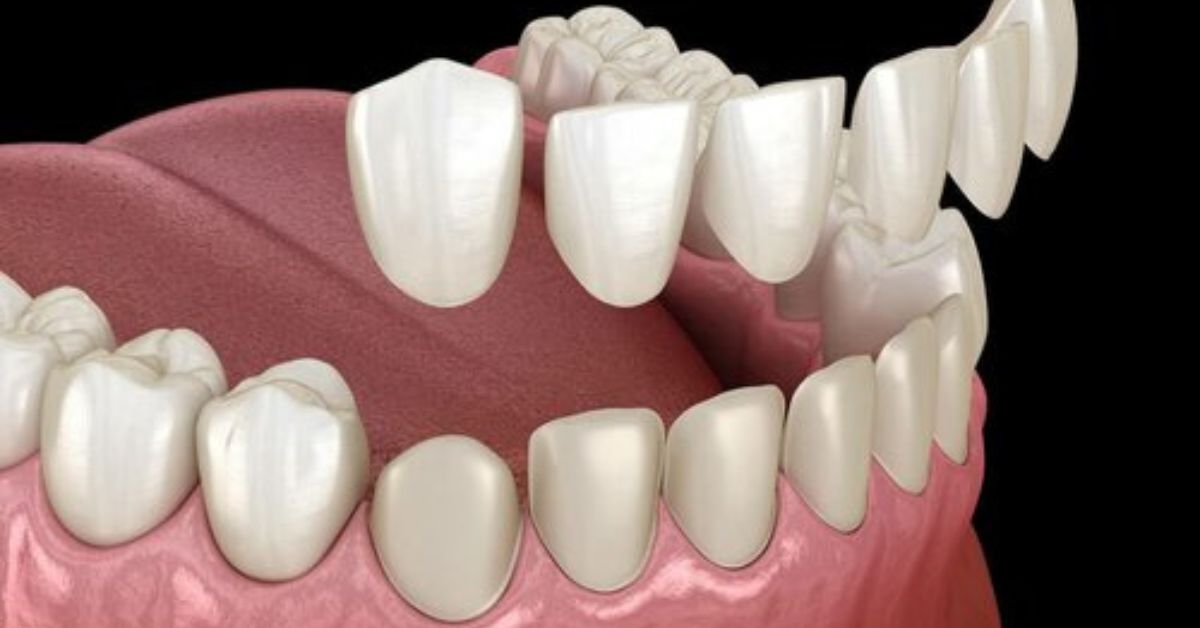
Dental veneers can be a great option if you want to improve the appearance of your smile, but they aren’t right for everyone. Healthy teeth and gums, enough tooth structure, a suitable bite, and realistic expectations all play a role in determining whether veneers are a good fit for you.
If you’re considering veneers, the first question isn’t simply, “Will veneers make my smile look better?” It’s whether veneers are the right treatment for your teeth and your specific goals.
Here’s what you should know before making that decision.
What Makes Someone a Good Candidate for Veneers?
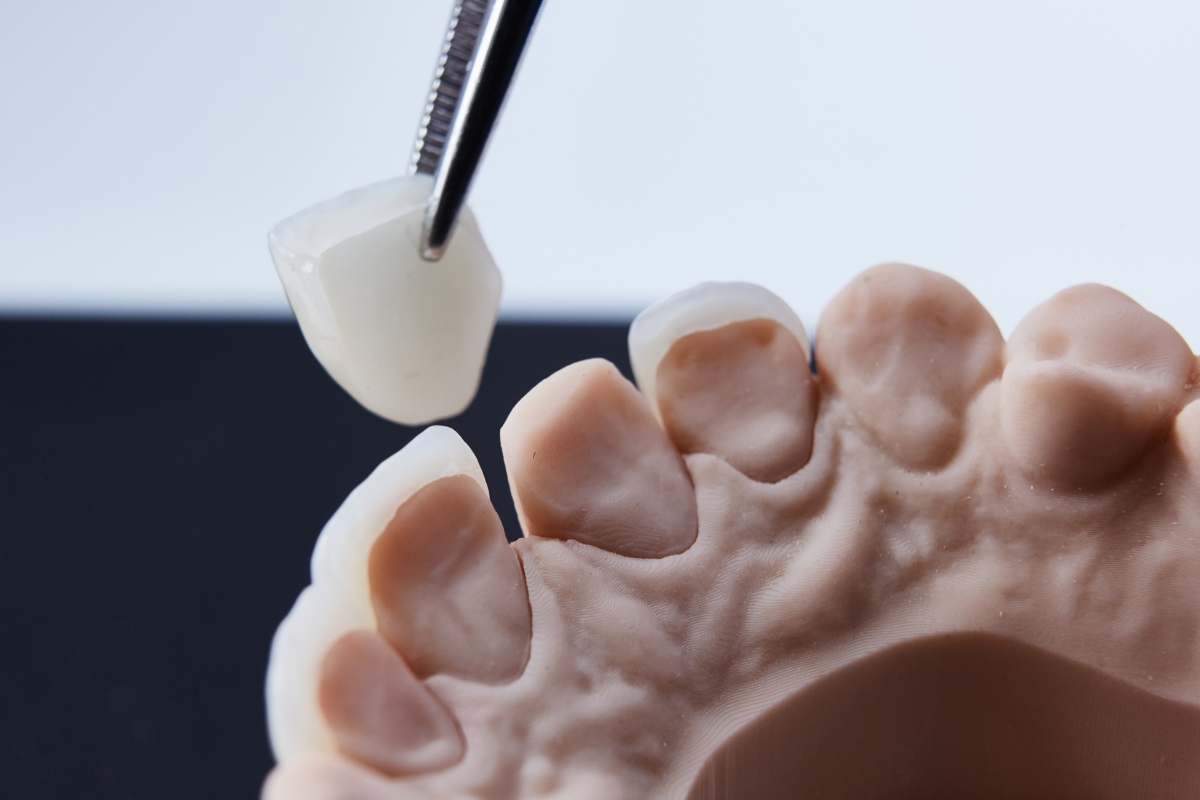
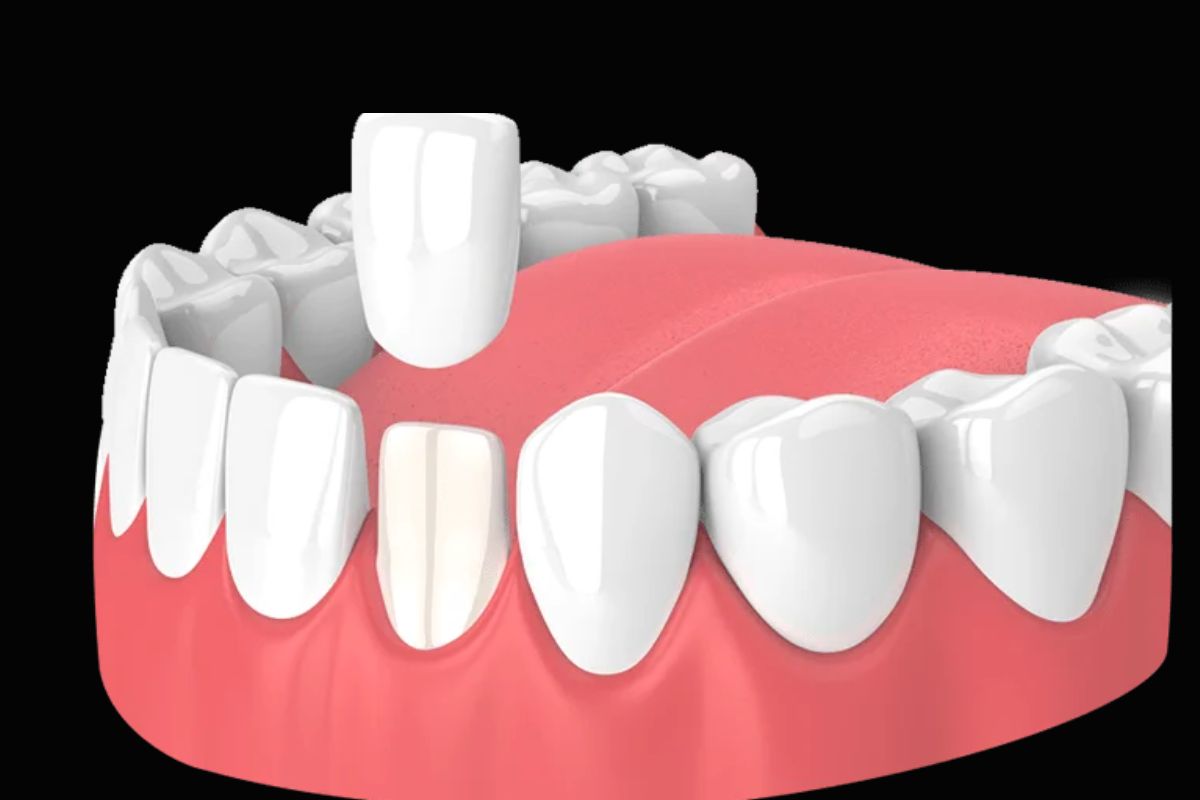
Veneers are thin coverings placed over the front surfaces of teeth to improve their appearance. They’re commonly used to address cosmetic concerns such as discoloration, small chips, uneven tooth shape, and certain gaps.
You may be a good candidate if:
- Your teeth and gums are generally healthy
- You’re unhappy with specific aspects of your smile
- Your teeth have enough healthy structure to support veneers
- Your bite doesn’t place excessive stress on your front teeth
- You have realistic expectations about what veneers can and cannot do
- You’re committed to taking care of your teeth and veneers after treatment
Your dentist will look at the overall health and function of your smile, not just the way your teeth look.
1. Your Teeth and Gums Should Be Healthy
Before focusing on cosmetic improvements, it’s important to make sure your mouth is healthy.
Untreated cavities, gum disease, infections, or other dental problems may need to be addressed before veneers are placed. Treating these problems first can help create a healthier foundation for cosmetic treatment.
Having a history of cavities or gum disease doesn’t automatically mean you can’t get veneers. What matters is the condition of your teeth and gums when you’re being evaluated for treatment.
2. Your Smile Concerns Are Mainly Cosmetic
Veneers are designed primarily to improve the appearance of your teeth. Depending on your situation, they may help improve:
- Discolored or stained teeth
- Small chips or worn edges
- Uneven-looking teeth
- Slightly misshapen teeth
- Certain small gaps
- Teeth that appear too short
- Cosmetic imperfections that affect your smile
For example, if one or two teeth look smaller or slightly different from the surrounding teeth, veneers may be one way to create a more balanced appearance.
But veneers aren’t automatically the best answer for every cosmetic concern. Sometimes teeth whitening, cosmetic bonding, orthodontic treatment, or another option may make more sense.
3. You Have Enough Healthy Tooth Structure
Your natural teeth provide the foundation for veneers, so your dentist will look closely at their condition.
Depending on the type of veneers and your individual treatment plan, some enamel may need to be reshaped before the veneers are placed.
Significant enamel loss, severe erosion, extensive damage, or other structural concerns may affect whether veneers are appropriate.
This is one reason an in-person dental evaluation is important. A smile can look like a good candidate for veneers in a photo but have underlying issues that aren’t visible from the outside.
4. Your Bite Is Taken Into Consideration
Your bite matters more than you might think when it comes to veneers.
If you regularly clench or grind your teeth, or if your bite places heavy pressure on your front teeth, veneers may be exposed to additional stress.
Your dentist may look at how your upper and lower teeth come together and whether your biting forces could affect your veneers over time.
If significant tooth alignment is the main issue, orthodontic treatment or clear aligners may be worth considering before cosmetic treatment.
5. You Have Realistic Expectations
Veneers can make a noticeable difference in your smile, but they aren’t a magic fix for every dental problem. They can change the appearance of your teeth, including their:
- Color
- Shape
- Size
- Proportions
- Overall appearance
However, veneers don’t treat active tooth decay or gum disease, and they aren’t designed to correct every bite or alignment problem.
A good cosmetic treatment plan should start with an honest conversation about what you want to change and what veneers can realistically accomplish.
6. You’re Comfortable With the Long-Term Commitment
One thing that’s easy to overlook when you’re excited about improving your smile is that veneers are a long-term dental treatment.
They aren’t the same as whitening your teeth for a special event. Depending on the type of veneers you receive and factors such as your oral hygiene, biting forces, and habits, they may eventually need repair or replacement.
It’s also important to understand whether your treatment will involve removing any natural enamel.
Before moving forward, make sure you’re comfortable with the long-term commitment and understand how your veneers will fit into your overall dental care.
Who May Not Be a Good Candidate for Veneers?
Veneers may not be the right choice right now if you have certain untreated dental problems or conditions that could affect the treatment.
For example, your dentist may recommend addressing:
- Untreated cavities
- Active gum disease
- A dental infection
- Significant loss of tooth structure
- Severe tooth wear or erosion
- Certain bite problems
- Significant tooth misalignment
- Uncontrolled teeth grinding or clenching
This doesn’t necessarily mean veneers are off the table permanently.
In some cases, treating the underlying problem first can make it possible to reconsider cosmetic treatment later.
What If Veneers Aren’t Right for You?
Choosing veneers isn’t just about deciding whether you want them. It’s also about determining whether they’re the best way to achieve the result you’re looking for.
Depending on your smile and goals, your dentist may recommend another option.
Teeth Whitening
If discoloration is your main concern and your natural teeth are otherwise healthy, professional teeth whitening may be enough to give you the brighter smile you’re looking for.
Cosmetic Dental Bonding
Bonding may be a good alternative for certain small chips, gaps, changes in tooth shape, or areas of discoloration. In appropriate cases, it can improve a tooth’s appearance without the same type of treatment involved with veneers.
Orthodontic Treatment
If crooked or crowded teeth are your biggest concern, braces or clear aligners may address the underlying position of your teeth rather than simply changing their appearance.
Dental Crowns
If a tooth has significant structural damage, a dental crown may be more appropriate than a veneer because a crown covers more of the tooth.
The best option depends on what you want to change and why you want to change it.
How Does a Dentist Determine if Veneers Are Right for You?
Your evaluation should start with a conversation about your smile.
What bothers you about your teeth? Are you looking for a whiter smile, more even-looking teeth, a change in tooth shape, or an improvement to a specific tooth?
Your dentist can then assess the factors that may affect your treatment, including:
The condition of your teeth: Your dentist will look for cavities, cracks, existing dental work, wear, discoloration, and other concerns.
Your gums: Healthy gums provide an important foundation for cosmetic dental treatment.
Your bite: The way your teeth come together can affect how much pressure is placed on veneers.
Your tooth structure: Your dentist will determine whether your teeth have the structure needed for the planned treatment.
Your cosmetic goals: Your desired outcome helps determine whether veneers or another cosmetic treatment makes the most sense.
Your alternatives: In some cases, a less extensive treatment may accomplish what you want.
Depending on your needs, your dentist may also recommend dental X-rays, photographs, digital scans, or other diagnostic information.
Veneers vs. Other Cosmetic Treatments
If you’re trying to decide whether veneers are right for you, it’s helpful to compare them with other options.
| Treatment | May Be Helpful For |
|---|---|
| Veneers | Changing the appearance of tooth color, shape, size, and certain cosmetic imperfections |
| Teeth whitening | Improving certain types of tooth discoloration |
| Cosmetic bonding | Repairing or improving certain small chips, gaps, and shape concerns |
| Clear aligners/braces | Correcting tooth position and alignment |
| Crowns | Restoring teeth with significant structural damage |
This doesn’t mean one treatment is automatically better than another. The right choice depends on your teeth, oral health, bite, and goals.
Questions to Think About Before Getting Veneers
Once you’ve been told that you may be a candidate for veneers, you’ll probably have questions about the treatment itself.
You may want to ask about:
- What type of veneers would work best for me?
- How many teeth would need treatment?
- How much natural tooth structure would need to be changed?
- What kind of result can I realistically expect?
- How should I care for my veneers?
- How long might they last?
- What are my alternatives?
- What are the potential limitations of treatment?
It’s important to understand your options before committing to cosmetic treatment.
If you’re specifically looking for questions to ask during a veneer consultation, our related guide can help you prepare for that conversation.
So, Are Veneers Right for You?
Veneers may be a good choice if you’re in generally good oral health and want to improve cosmetic concerns, but candidacy depends on more than appearance alone.
Your tooth structure, gum health, bite, oral habits, existing dental work, and expectations all play a role. In some cases, teeth whitening, bonding, orthodontics, or another treatment may be a better fit.
If you’re unsure whether veneers are right for you, we can evaluate your smile and help you choose an option that fits your needs and goals. Visit our dental practice in Carmel to discuss your options, or book your appointment with Alvarez Family Dentistry.
Frequently Asked Questions
1. Can anyone get dental veneers?
No. Veneers aren’t appropriate for every patient. Your dentist will consider your oral health, tooth structure, bite, cosmetic goals, and other factors before recommending treatment.
2. Can I get veneers if I have cavities?
Any active tooth decay should generally be addressed before cosmetic veneer treatment. Your dentist can determine when it’s appropriate to move forward.
3. Can I get veneers if I grind my teeth?
Teeth grinding can put additional stress on veneers. If you grind or clench your teeth, tell your dentist so they can evaluate your bite and discuss appropriate options.
4. Are veneers better than bonding?
Not necessarily. Veneers and bonding have different applications. Bonding may be appropriate for certain minor cosmetic changes, while veneers can provide a different type of coverage and cosmetic result.
5. Should I whiten my teeth before getting veneers?
If you’re considering both whitening and veneers, discuss the order with your dentist. Whitening natural teeth before selecting the final shade of veneers may be appropriate in some treatment plans.
6. What if I only want to fix one tooth?
Treating a single tooth may be possible, depending on the tooth’s condition and your cosmetic goals. Your dentist will consider how the treated tooth will look alongside the surrounding teeth.