
1185 W Carmel Dr. #D2, Carmel, IN 46032

Veneers vs. Dental Bonding in Carmel: Key Differences

Carmel residents often consider cosmetic dentistry when chipped teeth, stubborn discoloration, small gaps, or uneven tooth shapes affect their confidence. However, choosing the appropriate procedure requires more than comparing before-and-after photos. The condition of the enamel, number of teeth involved, desired longevity, treatment timeline, and maintenance expectations all influence the decision.
At Alvarez Family Dentistry located in Carmel, Dr. Alvarez evaluates each patient’s oral health and cosmetic goals before recommending treatment. Both dental bonding and porcelain veneers can improve visible imperfections, but they differ in materials, preparation, durability, and stain resistance.
If you are comparing veneers in Carmel, understanding these distinctions can help you prepare for a productive cosmetic consultation.
What Is Cosmetic Dental Bonding?
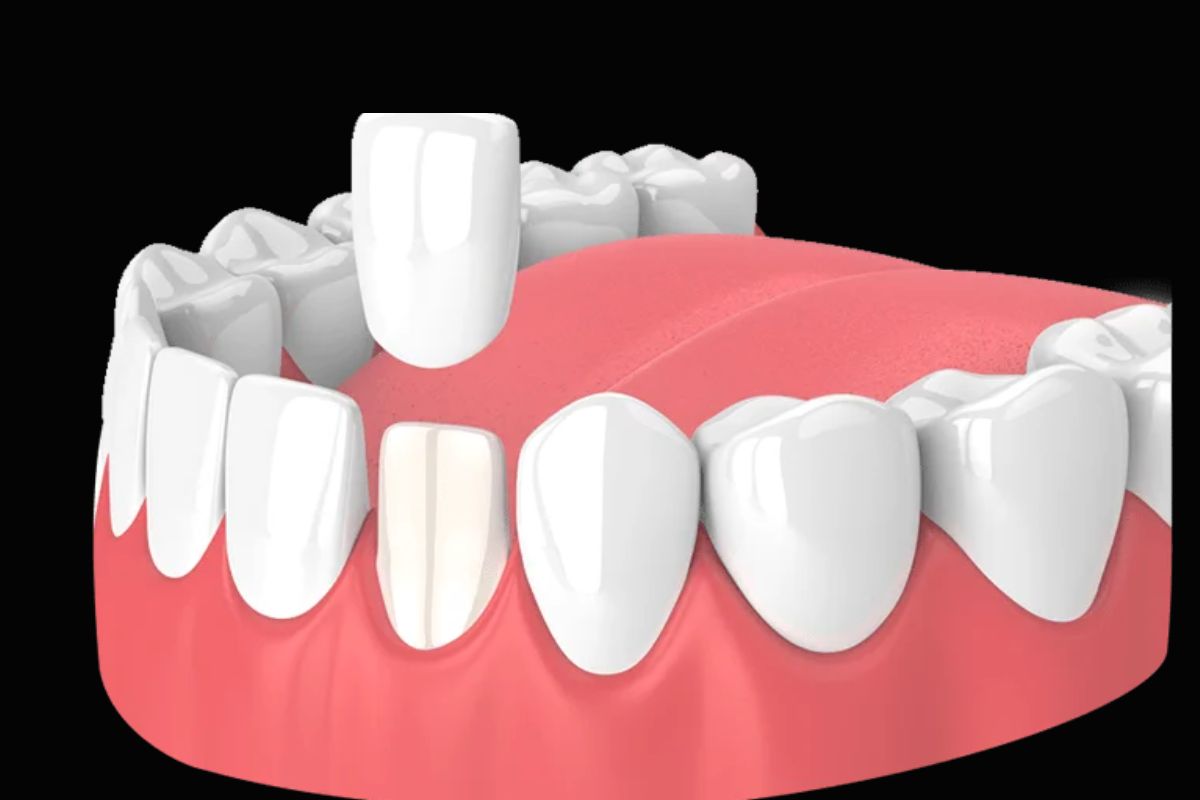
Cosmetic dental bonding is a direct procedure that uses tooth-colored composite resin. The dentist applies the material to the tooth, shapes it, hardens it with a curing light, and polishes it to blend with the surrounding smile.
Bonding may help correct:
- Small chips or minor fractures
- Gaps between certain teeth
- Uneven or irregular tooth shapes
- Localized tooth discoloration
- Teeth that appear shorter than neighboring teeth
- Certain areas of decay requiring tooth-colored filling material
Because the resin is applied directly to the tooth, treatment can often be completed in a single visit. It usually requires little or no enamel removal, depending on the tooth and the planned correction. This conservative approach can be helpful for patients seeking a limited cosmetic change.
Composite resin can stain or chip over time, particularly with frequent consumption of coffee, tea, or red wine, or with tobacco use. Biting ice, pens, fingernails, and hard foods can also damage the material.
What Are Porcelain Veneers?
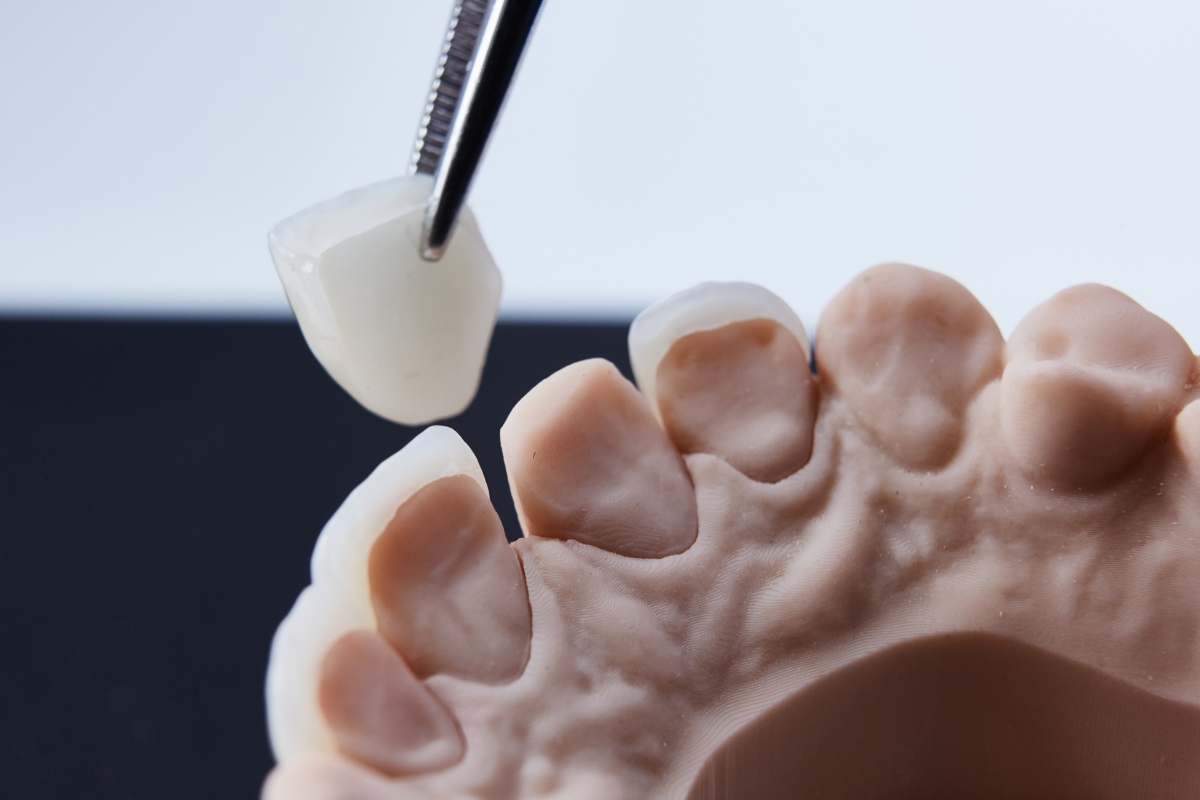
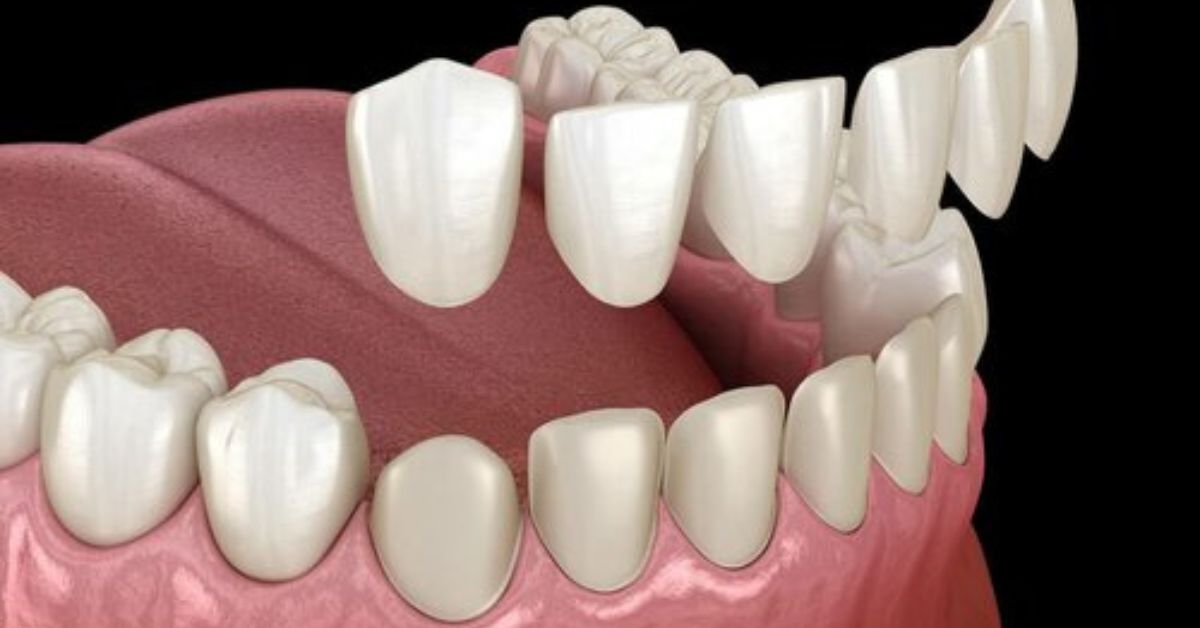
Porcelain tooth shells are thin, custom-made shells attached to the front surfaces of selected teeth. They can change tooth color, shape, size, and visible position. They may also close small spaces when orthodontic treatment is not appropriate.
Treatment usually involves planning, tooth preparation, impressions or digital scans, and placement during a later appointment. A dental laboratory creates the restorations to match the planned shade and proportions. Some enamel may need to be removed to provide space and create a natural-looking result.
According to the American Dental Association, these restorations are strong, natural-looking, and generally more stain-resistant than composite alternatives. Because tooth preparation may be irreversible, patients should carefully review the benefits, limitations, and future replacement needs before proceeding.
Dental Bonding and Porcelain Veneers: Side-by-Side Comparison
| Comparison point | Dental bonding | Ceramic shell treatment |
|---|---|---|
| Material | Tooth-colored composite resin | Laboratory-made dental porcelain |
| Common uses | Small chips, gaps, stains, and shape corrections | Broader changes involving color, shape, size, or symmetry |
| Treatment time | Often completed in one appointment | Usually requires multiple appointments |
| Enamel preparation | Usually minimal or unnecessary | Some enamel removal may be required |
| Stain resistance | Can discolor over time | More resistant to staining |
| Durability | May need repair or replacement sooner | Usually provides greater long-term wear |
| Repair | Resin can often be repaired directly | A damaged restoration may require laboratory replacement |
| Initial investment | Generally lower | Generally higher |
| Reversibility | May be reversible in some cases | Often considered irreversible |
Individual results and treatment life vary. Oral hygiene, grinding, bite forces, diet, and regular dental visits all affect how long cosmetic restorations remain functional.
Which Treatment May Be Right for Your Smile?
Dental bonding may suit a patient who wants to correct one or two minor imperfections with limited tooth preparation. It can also provide a practical option when the patient wants a shorter treatment timeline or prefers a repairable composite material.
Porcelain tooth shells may be considered when several front teeth need more consistent changes in shade, proportion, or symmetry. Patients comparing veneers in Carmel should understand that greater stain resistance and broader cosmetic coverage come with more extensive preparation and a long-term commitment to maintenance and eventual replacement.
Neither procedure should cover untreated decay or active gum disease. Before recommending a smile makeover, the dentist should examine the teeth, gums, enamel, existing restorations, and bite. Grinding or clenching may also require a protective nightguard.
Questions to Ask During Your Cosmetic Consultation
When you visit our dental practice in Carmel, consider asking:
- How much healthy enamel would need to be removed?
- Can bonding achieve the change I want?
- How will the chosen shade match my natural teeth?
- Will teeth whitening be recommended before treatment?
- How could grinding or bite pressure affect the result?
- What maintenance and future replacement should I expect?
Photographs, diagnostic records, and a clear discussion of priorities can help establish realistic expectations.
Steps To Protect Your New Smile
Brush twice daily with a soft-bristled toothbrush and clean between the teeth every day. Avoid using treated teeth to tear packaging or bite hard objects. Attend regular dental examinations so the dentist can check the margins, bonding material, bite, and gum health.
Porcelain veneers cannot develop cavities, but the natural teeth beneath and around them remain vulnerable to decay. Consistent home care therefore remains essential after either procedure.
Choose the Right Cosmetic Treatment in Carmel
The right choice depends on the size of the correction, the condition of the enamel, treatment goals, lifestyle, and willingness to maintain the result. Alvarez Family Dentistry can evaluate these factors and explain which approach is suitable without recommending more treatment than necessary.
If you are considering veneers in Carmel or want to repair minor imperfections with bonding, book a cosmetic consultation at our Carmel dental practice. A personalized evaluation can provide a clearer path to a healthy, confident smile.
Frequently Asked Questions
Is bonding suitable for a chipped front tooth?
Bonding can often rebuild a small chip and restore the tooth’s visible shape. The dentist must first check for cracks, decay, or bite problems that could affect the repair.
Which option looks more natural?
Both can produce natural-looking results when the shade, shape, and surface texture are planned carefully. Porcelain often reflects light similarly to natural enamel, while composite resin can blend well during smaller repairs.
Does cosmetic bonding damage natural teeth?
Bonding generally requires little or no enamel removal. However, every case is different, so an examination is needed to determine the preparation required and whether the tooth is healthy enough for treatment.
Can either treatment fix crooked teeth?
These procedures may disguise mild unevenness or small gaps, but they do not move teeth. Moderate or severe alignment problems may require orthodontic care before cosmetic treatment.
Can porcelain veneers become stained?
Dental porcelain resists common stains better than composite resin. Natural teeth and exposed margins can still discolor, making daily oral hygiene and professional cleanings important.
How do I know which treatment I need?
The decision depends on the number of teeth involved, enamel health, bite, desired change, and maintenance expectations. A cosmetic evaluation allows the dentist to compare both options based on your mouth, not just appearance.