1185 W Carmel Dr. #D2, Carmel, IN 46032
Veneers for Gaps and Misshapen Teeth: Are They a Good Solution?

A beautiful smile can boost confidence and leave a lasting impression. However, gaps between teeth and misshapen teeth can make some people feel self-conscious. If you’re looking for a way to improve your smile, veneers might be a great option. But are they the right solution for you? Let’s explore how veneers work and whether they’re the best choice for closing gaps and reshaping teeth.
What Are Veneers?
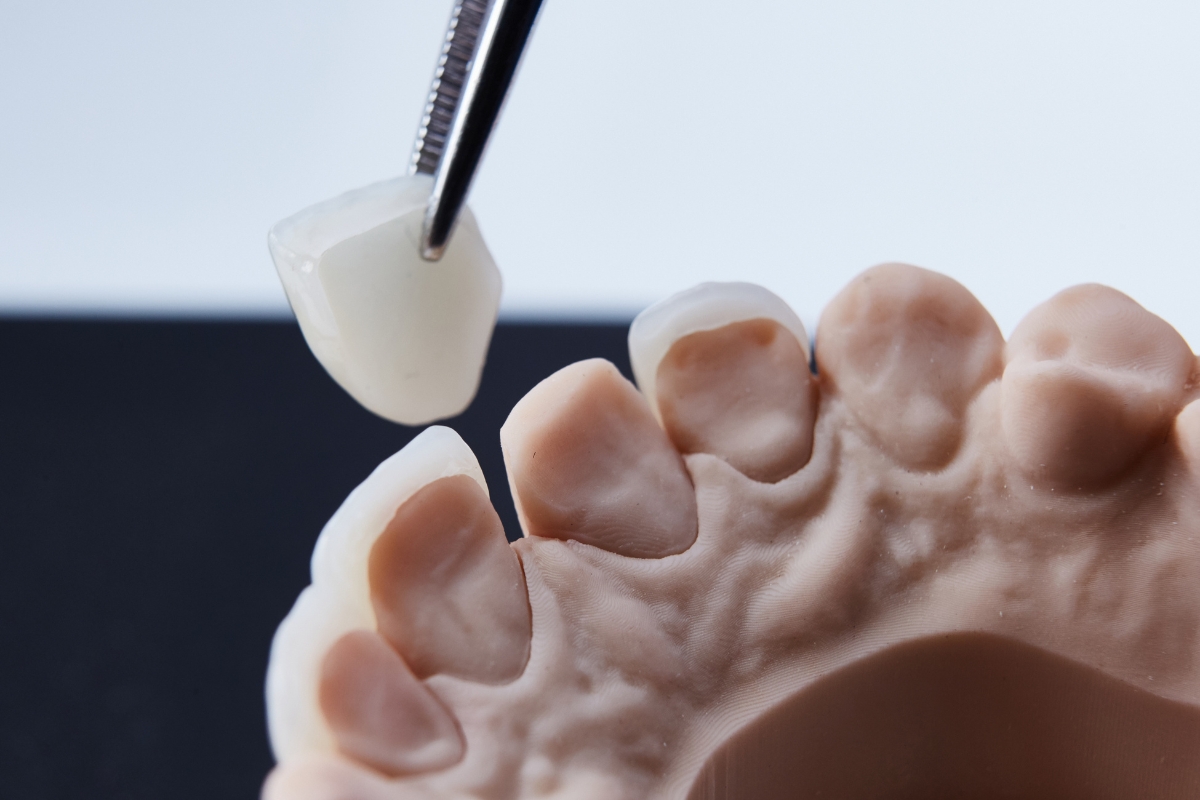
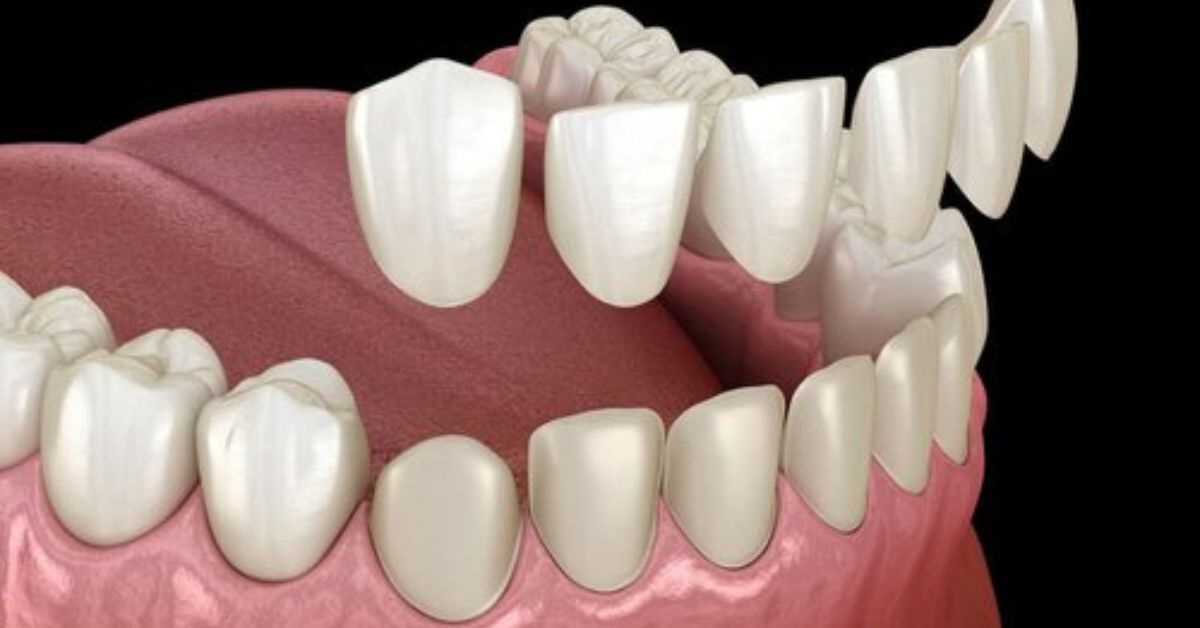
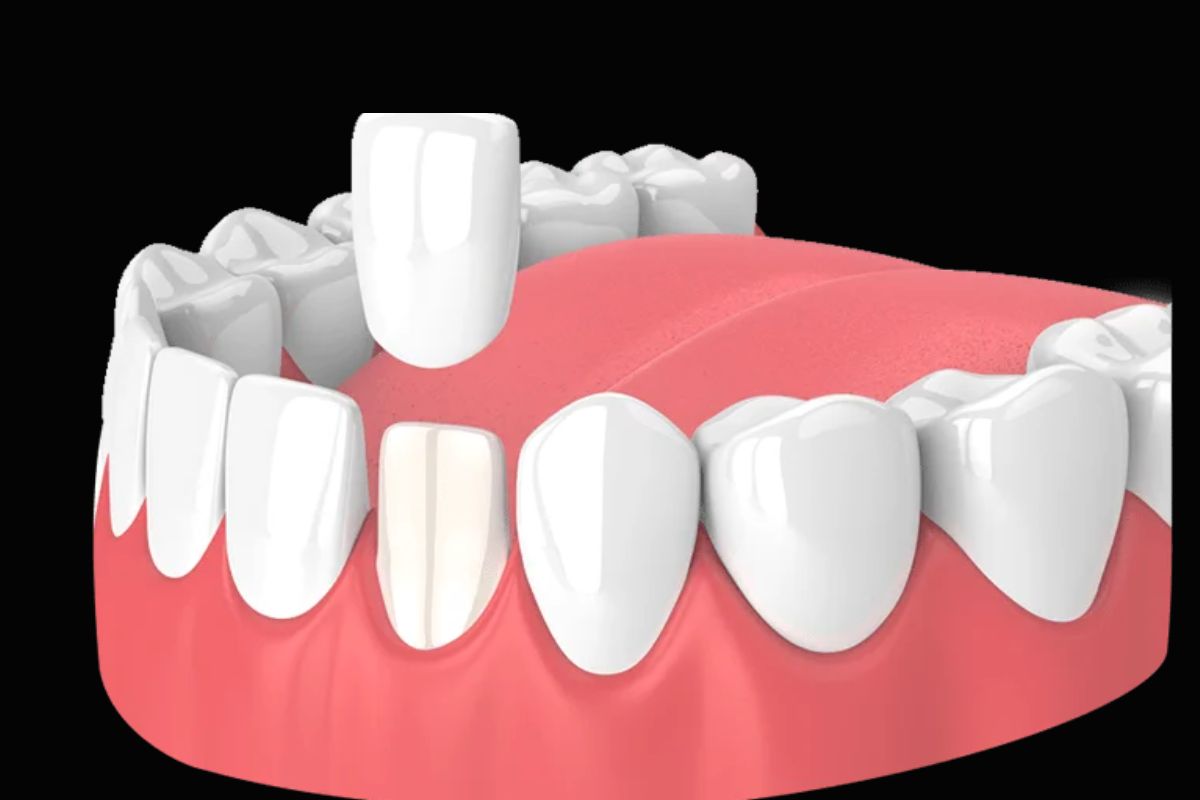
Veneers are thin, custom-made shells—usually made of porcelain or composite resin—that are bonded to the front surface of the teeth. They are designed to improve the appearance of teeth by addressing issues such as discoloration, chips, gaps, and irregular shapes.
How Veneers Fix Gaps and Misshapen Teeth
1. Closing Gaps Between Teeth
Veneers can effectively close small to moderate gaps between teeth by covering the front surface and slightly extending over the space. This provides a seamless and natural look without the need for braces or aligners.
2. Reshaping Irregular Teeth
If your teeth are naturally uneven, too small, or misshapen, veneers can create a more symmetrical appearance. Dentists design veneers to match the ideal size and shape for a harmonious smile.
Benefits of Veneers for Gaps and Misshapen Teeth
- Instant Results: Unlike orthodontic treatments, which take months or years, veneers provide an immediate transformation.
- Natural Appearance: Porcelain veneers, in particular, mimic the translucency and texture of natural teeth.
- Durable and Long-Lasting: With proper care, veneers can last 10-15 years or more.
- Minimal Maintenance: No special care is required beyond good oral hygiene and regular dental visits.
Are Veneers the Right Solution for You?
While veneers are an excellent cosmetic option, they may not be suitable for everyone. Consider the following factors:
1. The Size of the Gap
Veneers work well for minor to moderate gaps, but if the space between your teeth is too large, orthodontic treatment may be a better solution.
2. Tooth Structure and Health
Veneers require a thin layer of enamel to be removed. If you have weak or significantly damaged teeth, your dentist may recommend crowns instead.
3. Long-Term Commitment
Once you get veneers, the process is irreversible because some enamel is removed. If you’re looking for a reversible option, orthodontics or dental bonding may be better.
Alternative Solutions
- Braces or Invisalign: If gaps are large or teeth need significant movement, orthodontic treatment may be the best approach.
- Dental Bonding: A less invasive alternative to veneers, bonding uses a tooth-colored resin to close gaps and reshape teeth.
- Crowns: If teeth are severely misshapen or weak, crowns provide both functional and aesthetic benefits.
Veneers are a great solution for closing small gaps and correcting misshapen teeth, offering a quick and effective way to enhance your smile. However, they are a long-term commitment and may not be suitable for every case. Consult with a dentist to determine if veneers are the best choice for your dental needs. With the right treatment, you can achieve a confident, picture-perfect smile!