
1185 W Carmel Dr. #D2, Carmel, IN 46032

The Real Reasons Teeth May Look Yellow After Whitening: What Carmel Patients Should Know
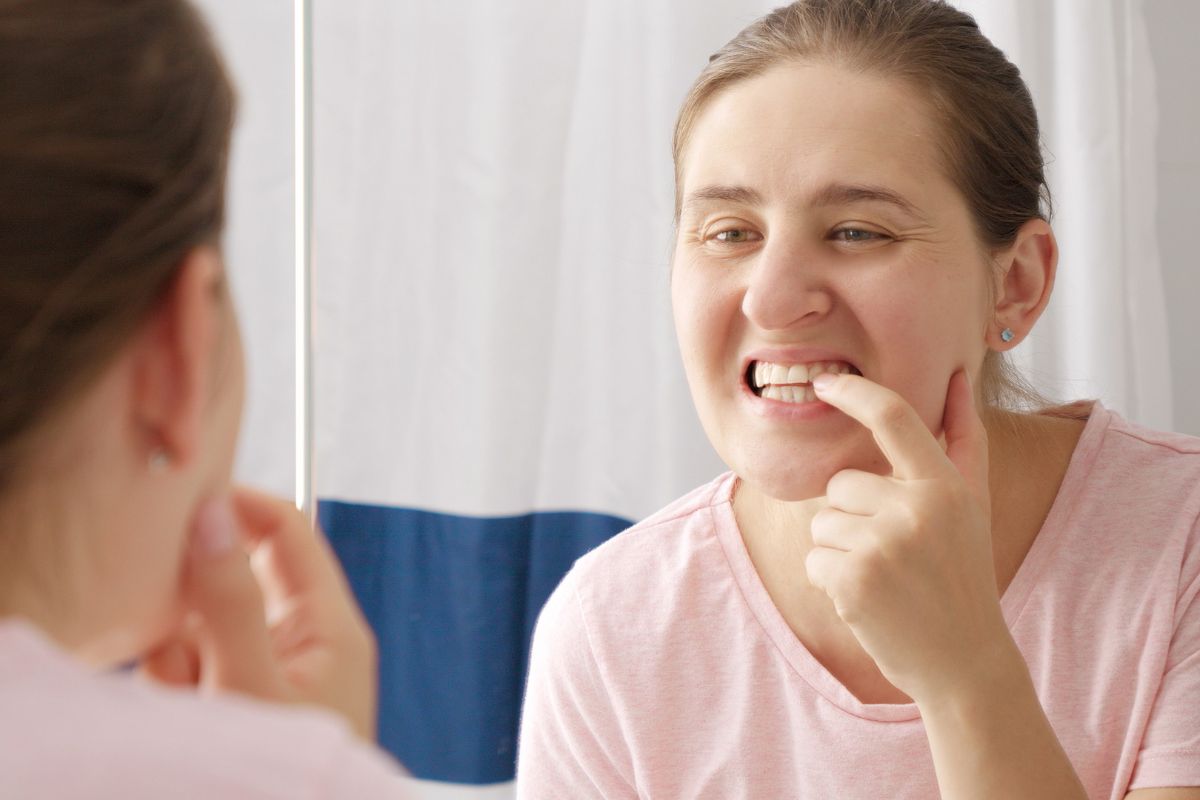
You completed a whitening treatment expecting a noticeably brighter smile. Yet when you look in the mirror, your teeth still appear yellow. This situation is more common than many people realize. Whitening treatments can remove many stains, but they cannot change every cause of tooth discoloration. The color of your teeth depends on several factors, including enamel thickness, genetics, age, dietary habits, and the type of staining present. Understanding why yellow shades remain can help you make informed decisions about your next steps.
Many people preparing for performances and special events notice tooth color more closely in photos and often wonder why whitening results vary from person to person. After the first hundred words, it is important to understand that teeth whitening in Carmel can improve tooth brightness significantly. However, it does not always create the bright white shade many people expect from advertisements and social media images. At Alvarez Family Dentistry, Dr. Keith Alvarez explains discoloration causes and suggests solutions tailored to patients’ smile goals and oral health.
Whitening Removes Stains, Not Every Type of Discoloration
Understanding the difference between stain removal and natural tooth color helps explain why whitening results vary among patients.
Extrinsic Stains Respond Better to Whitening
Extrinsic stains develop on the outer surface of enamel. Coffee, tea, red wine, tobacco, and certain foods commonly create these stains. Most whitening products target these surface stains effectively. Many patients see a noticeable improvement after treatment when discoloration comes primarily from external sources.
Intrinsic Stains Are More Difficult to Remove
Intrinsic stains develop inside the tooth structure. These stains may result from trauma, certain medications, excessive fluoride exposure during childhood, or developmental conditions. Whitening agents have limited ability to alter deep internal discoloration. Teeth may appear lighter, but yellow or gray tones can remain visible.
Natural Tooth Color Still Matters
Every person has a unique natural tooth shade. Some individuals naturally have darker dentin beneath the enamel. Even after successful whitening, the underlying tooth structure may still influence the final appearance.
Why Does Tooth Color Affect Whitening Results?
The natural anatomy of your teeth plays a major role in determining how bright your smile can become.
Enamel Thickness Varies From Person to Person
Enamel appears naturally translucent. The dentin underneath often has a yellowish hue. When enamel becomes thinner through aging or wear, more dentin becomes visible. This can make teeth appear yellow despite whitening treatment.
Genetics Influence Smile Color
Some people naturally have brighter enamel than others. Genetics affect tooth thickness, translucency, and dentin color. As a result, two people receiving the same whitening treatment may achieve different outcomes.
Age Changes Tooth Appearance
Over time, enamel gradually wears down. Dentin also becomes darker as people age. The American Dental Association notes that age-related changes can influence tooth shade and affect whitening outcomes.
Signs That Yellow Teeth May Need Professional Evaluation
Certain situations require more than whitening alone. Recognizing these signs can help identify the underlying cause.
Uneven Color Across Multiple Teeth
When some teeth respond differently from others, internal discoloration may be present. A dental examination can help determine whether deeper staining or structural issues contribute to the uneven appearance.
Yellow Color Returns Quickly
Rapid stain recurrence often points to dietary habits, smoking, inadequate oral hygiene, or enamel characteristics. Professional guidance can help identify factors causing repeated discoloration.
Discoloration Appeared After Injury
Trauma can affect the internal health of a tooth. A tooth may gradually darken or become yellow after an accident. In these cases, whitening alone may not address the underlying issue.
Existing Restorations Do Not Change Color
Bonding, fillings, crowns, and similar restorations do not respond to whitening agents. Natural teeth may become lighter while restorations remain unchanged, creating visible color differences.
Factors That May Be Limiting Your Whitening Results
Several everyday habits and dental conditions can affect the effectiveness of teeth whitening treatment.
Frequent Consumption of Staining Foods and Drinks
- Dark beverages and richly colored foods continuously deposit pigments onto enamel.
- Even after treatment, ongoing exposure may reduce the brightness of your smile.
Poor Plaque Control
- Plaque accumulation creates a dull appearance and makes teeth look darker.
- Regular brushing, flossing, and professional Dental Hygiene visits help maintain a cleaner, brighter appearance.
Enamel Wear
- Acidic beverages, teeth grinding, and natural aging can wear down enamel.
- When enamel becomes thinner, the yellow dentin underneath becomes more noticeable.
Unrealistic Expectations
- Many online images use filters, editing tools, and enhanced lighting.
- Professional whitening can significantly improve tooth color, but it does not usually create an artificial bright white appearance.
According to the National Institute of Dental and Craniofacial Research, maintaining healthy enamel and good oral hygiene remains essential for preserving tooth appearance and overall oral health. During the winter, many people drink more coffee, tea, and hot chocolate, which can gradually contribute to surface staining over time.
Ways to Improve and Maintain a Brighter Smile
Several practical steps can help improve whitening outcomes and keep your smile looking brighter longer.
Follow Recommended Aftercare Instructions
The first few days after whitening are especially important. Limiting staining foods and beverages helps reduce the chance of new discoloration developing immediately after treatment.
Schedule Regular Dental Visits
Routine evaluations help identify factors affecting tooth color. Early intervention often prevents minor staining issues from becoming more noticeable.
Discuss Additional Cosmetic Options
In some situations, whitening may not completely address deep discoloration. Your dentist may discuss treatments available at the practice, including Veneers, when appropriate for achieving cosmetic goals.
Protect Your Enamel
Using a soft-bristle toothbrush, limiting acidic beverages, and addressing grinding habits can help preserve enamel thickness. Healthier enamel often supports a brighter-looking smile.
Maintain Consistent Oral Care Habits
Daily brushing and flossing help reduce stain buildup. Consistency remains one of the most effective ways to preserve whitening results over time.
When a Brighter Smile Needs More Than Whitening
A whitening treatment that leaves some yellow color behind does not necessarily mean the procedure failed. The final result depends on your natural tooth structure, enamel thickness, age, lifestyle habits, and the type of discoloration affecting your teeth. For many patients, understanding the cause of persistent yellow teeth is the first step toward finding the right solution. A professional evaluation can determine whether additional whitening, preventive care, or other cosmetic options may better achieve your desired outcome.
If you are concerned about lingering discoloration after teeth whitening in Carmel, we are here to help. Dr. Keith Alvarez and the team focus on personalized care designed to help patients achieve healthier, more confident smiles. At Alvarez Family Dentistry, we can help identify the reason and recommend treatment options that align with your smile goals.
FAQs
1. Why do some teeth whiten faster than others?
Each tooth has unique enamel thickness and dentin characteristics. Front teeth often respond differently from back teeth. Natural variations in tooth structure can create differences in whitening speed and final shade.
2 Can dehydration make teeth look whiter temporarily?
Yes. Teeth may appear brighter immediately after treatment because temporary dehydration changes how light reflects from enamel. As moisture returns, the color usually settles into its final appearance within a few days.
3. Do whitening toothpastes work the same way as professional treatments?
Most whitening toothpastes focus on removing surface stains rather than changing internal tooth color. They can help maintain results but generally produce less dramatic improvements than professional whitening systems.
4. Can medications affect tooth color even in adulthood?
Certain medications may contribute to discoloration or staining over time. The impact depends on the medication, duration of use, and individual factors affecting tooth structure and enamel appearance.
5. Is yellow tooth color always a sign of poor oral hygiene?
No. Many people with excellent oral care habits naturally have teeth with yellow undertones. Genetics, enamel thickness, aging, and internal tooth structure often influence color more than hygiene alone.
6. Can whitening make teeth sensitive permanently?
Temporary sensitivity is common after whitening. Most cases improve within several days. Persistent discomfort is uncommon and should be evaluated to determine whether another dental condition is contributing to the symptoms.