
1185 W Carmel Dr. #D2, Carmel, IN 46032

Root Canal vs. Dental Crown: Which Is Best?
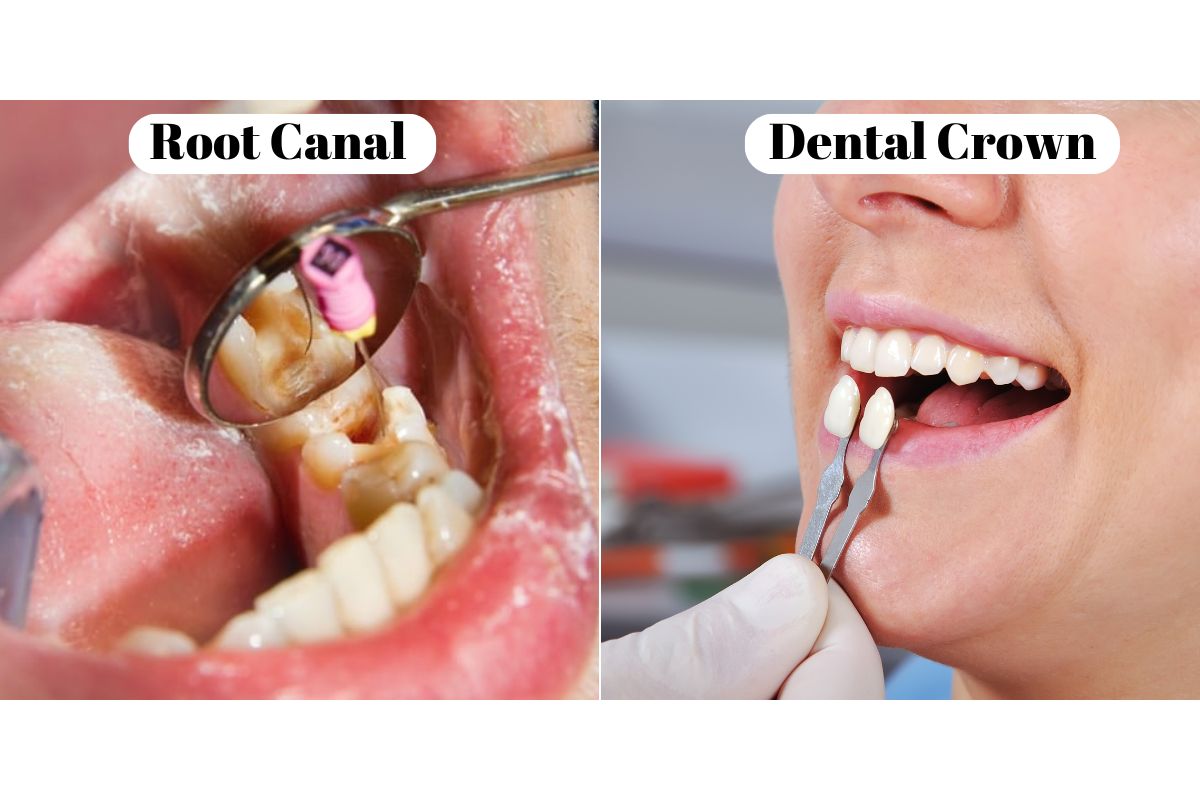
When it comes to addressing damaged or decayed teeth, two common treatments often come into consideration: root canals and dental crowns. While both are effective solutions for restoring oral health and preserving teeth, they serve different purposes and are applied based on specific dental needs. Let’s explore the key differences between a root canal and a dental crown, and which might be best suited for you.
Understanding the Basics
What Is a Root Canal?
A root canal is a procedure that removes infected or damaged pulp tissue from inside a tooth. The pulp consists of nerves and blood vessels, and when it becomes infected due to deep decay, cracks, or trauma, it can cause severe pain, and swelling, and even lead to abscesses. During a root canal, the dentist removes the infected pulp, cleans the inside of the tooth, and seals it to prevent further infection.
Root canals are typically performed to:
- Save a tooth that would otherwise need to be extracted.
- Eliminate infection and pain.
- Restore normal function to a tooth.
What Is a Dental Crown?
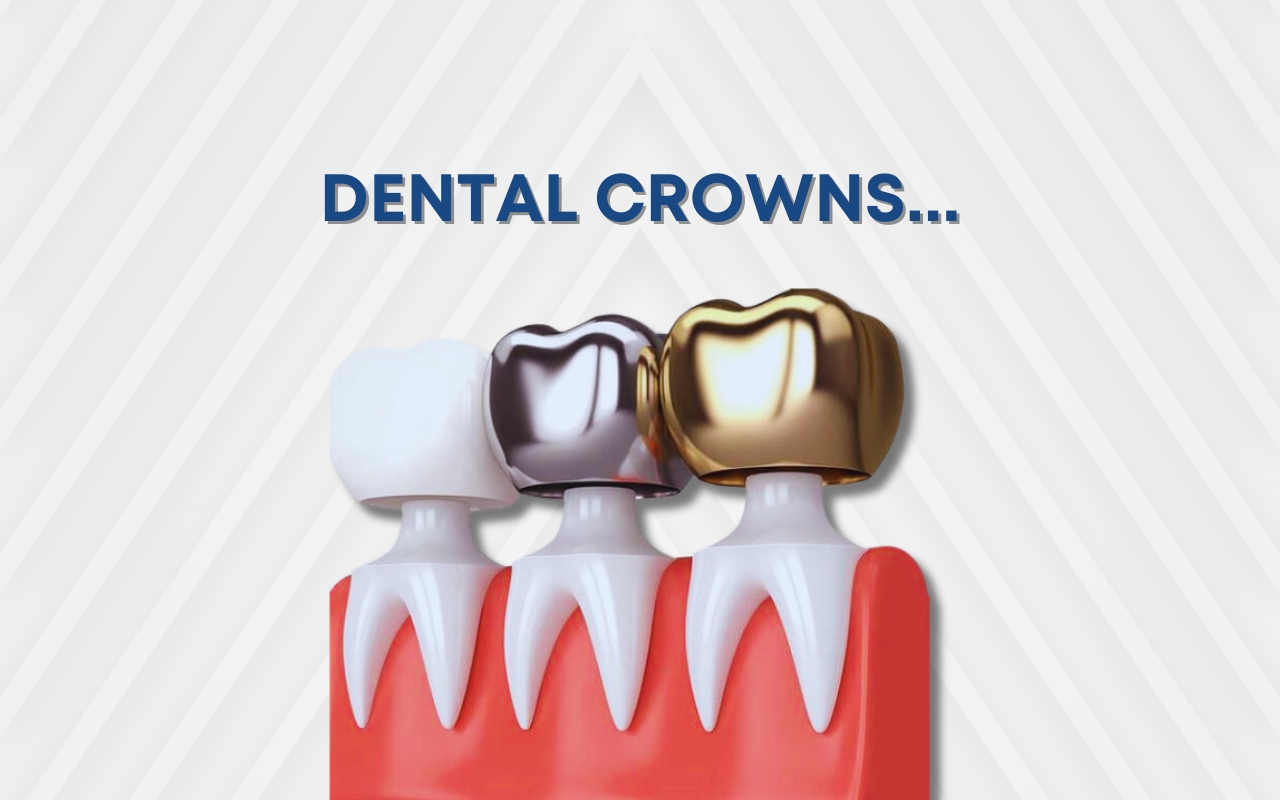
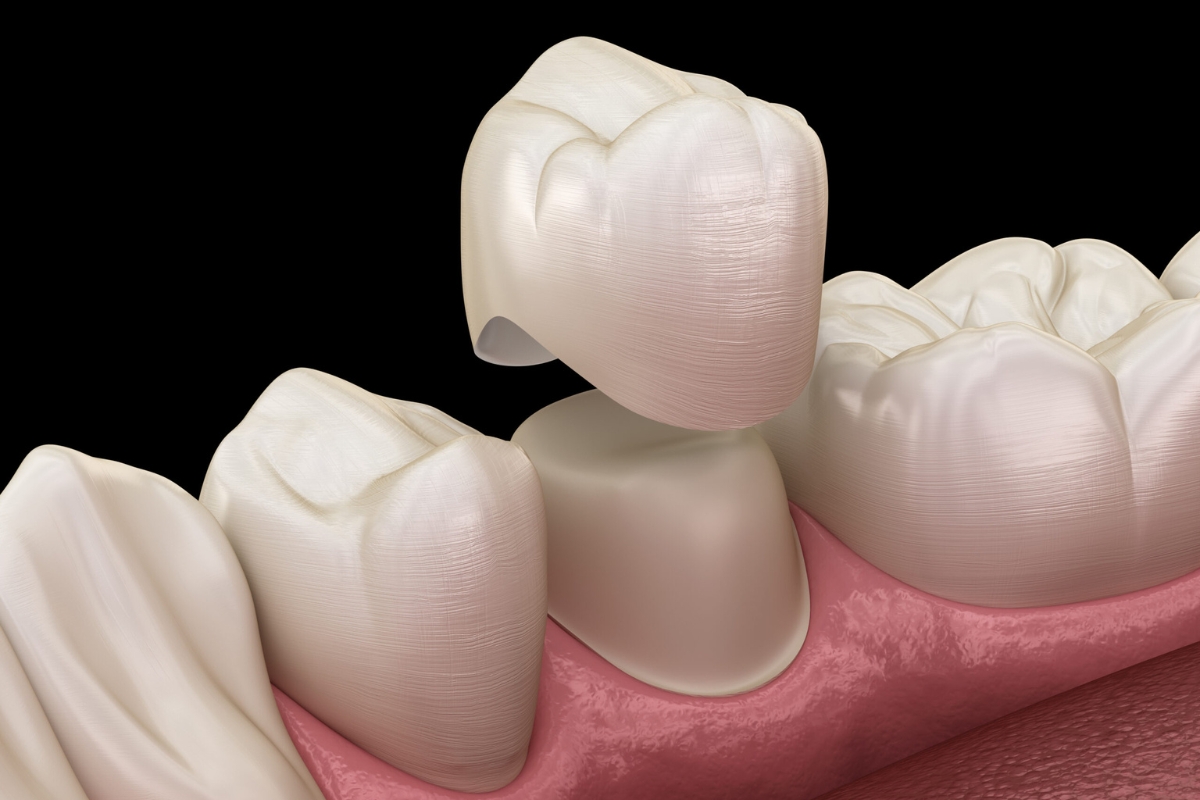
A dental crown, often referred to as a “cap,” is a prosthetic restoration that covers a damaged or weakened tooth. Crowns are used to protect and strengthen teeth that have suffered from severe decay, cracks, or wear. They can be made from various materials, including porcelain, metal, or a combination of both, depending on the patient’s needs.
Dental crowns are commonly used to:
- Restore the shape, size, and function of a tooth.
- Strengthen a weakened tooth after a root canal or large filling.
- Improve the appearance of discolored or misshapen teeth.
Root Canal vs. Dental Crown: Key Differences
While both treatments aim to restore damaged teeth, they address different issues. Here’s how they compare:
| Aspect | Root Canal | Dental Crown |
|---|---|---|
| Purpose | Treats infection and removes damaged pulp | Restores the shape, function, and strength of a tooth |
| When It’s Used | For infected or severely decayed teeth | For weak, cracked, or heavily restored teeth |
| Procedure | Involves removing pulp and cleaning the inside of the tooth | Covers and protects the outer structure of the tooth |
| Pain Management | Relieves pain caused by infection or decay | Typically needed after a root canal or for structural support |
| Duration of Procedure | Takes longer due to cleaning and sealing of the tooth | Usually requires two visits for preparation and fitting |
| Longevity | Can last a lifetime if properly cared for | Crowns can last 10–15 years or longer with good care |
When Do You Need a Root Canal?
You might need a root canal if you experience:
- Severe tooth pain, especially when biting or chewing.
- Sensitivity to hot or cold that lingers.
- Swelling or tenderness in the gums near the affected tooth.
- Darkening or discoloration of the tooth.
A root canal is the best option if the tooth’s pulp is infected or inflamed. This procedure eliminates the infection, saves the tooth, and prevents the need for extraction.
When Do You Need a Dental Crown?
A dental crown may be recommended when:
- A tooth has suffered from extensive decay or damage but is still structurally sound.
- You’ve had a root canal, and the tooth needs protection.
- A tooth is cracked, worn down, or misshapen.
- You want to enhance the appearance of a discolored or misshapen tooth.
Crowns can be placed after a root canal to provide additional protection, or they may be used independently to restore a weakened or damaged tooth.
Root Canal and Dental Crown: Can You Need Both?
In many cases, a tooth that undergoes a root canal will also need a dental crown. After a root canal, the tooth structure may become brittle and more susceptible to fractures, making a crown essential to protect and strengthen the tooth. Without a crown, the tooth may eventually break, leading to further complications.
Which Treatment Is Best for You?
The decision between a root canal and a dental crown depends on the condition of your tooth:
- If the tooth is infected, a root canal is necessary to remove the infection and save the tooth.
- If the tooth is structurally damaged or weak but not infected, a dental crown may be enough to restore and protect it.
- Often, a combination of both treatments is needed: a root canal to treat the infection and a crown to reinforce the tooth afterward.
Both root canals and dental crowns play critical roles in saving and restoring teeth. If you have an infected tooth, a root canal will eliminate the infection and relieve pain, while a dental crown can protect and strengthen a weakened or restored tooth. Your dentist will recommend the most appropriate treatment based on the condition of your tooth. Regular dental check-ups and early treatment can help you avoid more complex procedures and maintain optimal oral health for years to come.
If you’re experiencing dental pain or discomfort, consult your dentist to determine whether a root canal, dental crown, or a combination of both is the right solution for you.