
1185 W Carmel Dr. #D2, Carmel, IN 46032

Inlays and Onlays vs. Crowns: Which Restoration Option Is Right for You?

When it comes to restoring damaged or decayed teeth, dental professionals have several options to bring your smile back to full function and beauty. Among the most common solutions are inlays, onlays, and crowns. But how do you decide which option is best for your situation? Here’s an in-depth look at these restorative treatments to help you make an informed choice.
What Are Inlays and Onlays?
Inlays and onlays are custom-made restorations that repair moderate tooth damage or decay. They are crafted from durable materials like porcelain, composite resin, or gold and are bonded to your tooth for a precise fit.
- Inlays: These are used when the damage is confined to the grooves of a tooth (between the cusps). They are a great option when the cavity is too large for a simple filling but doesn’t require a full crown.
- Onlays: Sometimes referred to as “partial crowns,” onlays cover one or more cusps of the tooth and are used when the damage extends beyond the grooves but doesn’t warrant a complete crown.
What Are Dental Crowns?
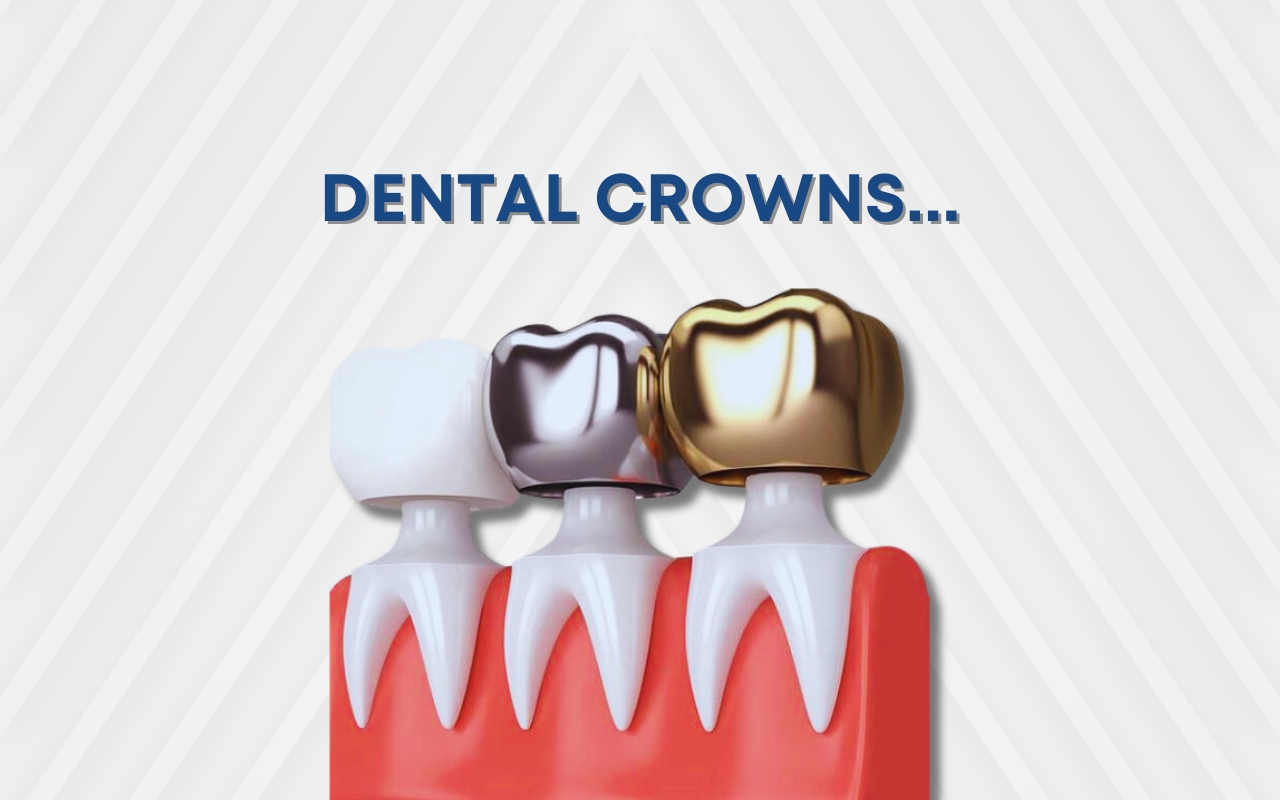
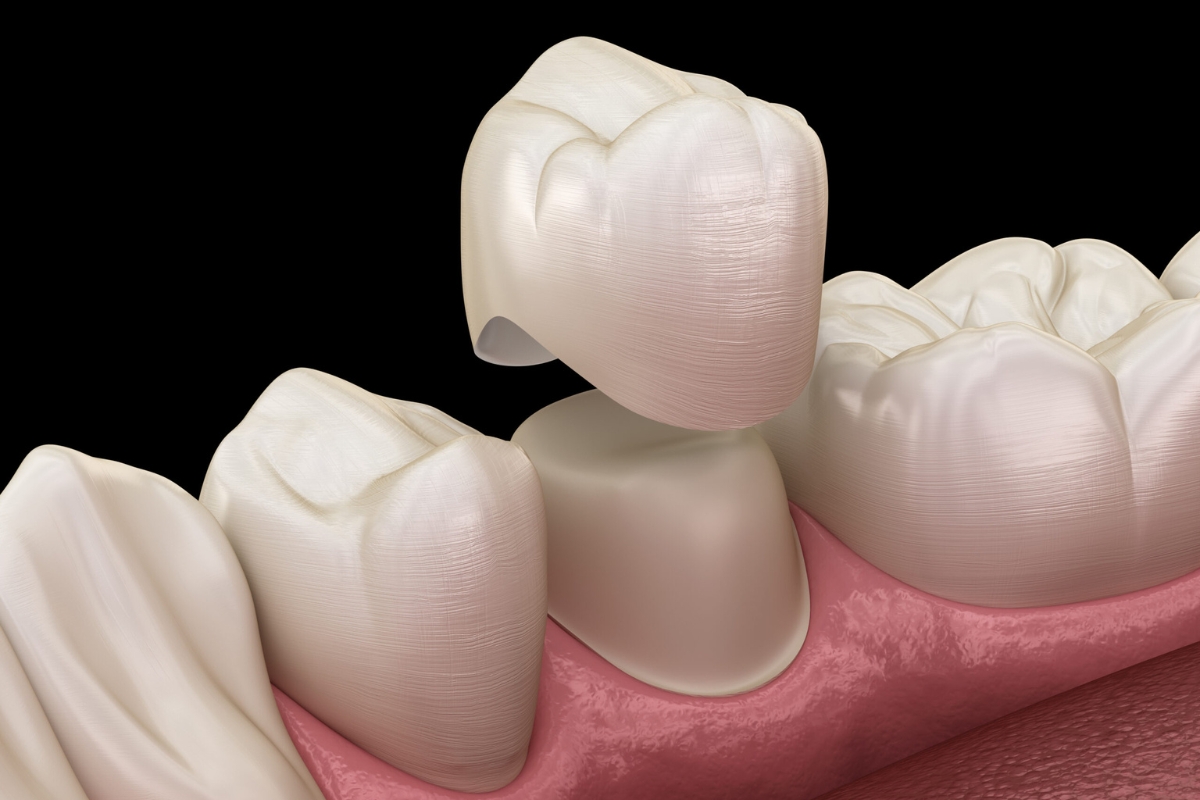
Dental crowns, also known as caps, cover the entire visible portion of a tooth. They are typically recommended for teeth that are severely damaged, decayed, or weakened. Crowns can be made from a variety of materials, including porcelain, ceramic, metal, or a combination of these.
Key Differences Between Inlays/Onlays and Crowns
Here are some key distinctions to consider when choosing between inlays/onlays and crowns:
- Extent of Damage:
- Inlays and onlays are suitable for moderate damage that doesn’t compromise the entire tooth structure.
- Crowns are ideal for extensive damage where the tooth requires full coverage for strength and protection.
- Preservation of Tooth Structure:
- Inlays and onlays require less removal of healthy tooth structure, preserving as much of your natural tooth as possible.
- Crowns require significant reshaping of the tooth to accommodate the restoration.
- Durability:
- Both options are durable, but crowns generally offer more protection for teeth that endure heavy biting forces.
- Inlays and onlays are more conservative and work well for teeth that are not under constant stress.
- Cost:
- Inlays and onlays are typically less expensive than crowns because they involve less material and labor.
- Crowns tend to be more costly due to their extensive coverage and the additional work involved in preparing the tooth.
Pros and Cons of Inlays and Onlays
Pros:
- Minimal removal of healthy tooth structure
- Custom-fit for precision and comfort
- Durable and aesthetically pleasing, especially with porcelain or composite options
Cons:
- Not suitable for extensive damage
- Can be more expensive than simple fillings
Pros and Cons of Crowns
Pros:
- Provides full protection and strength to a severely damaged tooth
- Highly durable and long-lasting
- Can improve the appearance of misshapen or discolored teeth
Cons:
- Requires more tooth preparation, which can weaken the natural tooth
- Typically more expensive than inlays and onlays
How to Decide Which Option Is Right for You
Choosing between inlays, onlays, and crowns depends on the condition of your tooth and your specific needs. Here’s what to consider:
- Severity of Damage:
- Minor to moderate damage: Inlays or onlays may be the best choice.
- Severe damage or weakened teeth: Crowns are likely the better option.
- Aesthetic Goals:
- Both inlays/onlays and crowns can be matched to your natural tooth color, but crowns are often the go-to for dramatic smile makeovers.
- Longevity and Durability:
- For teeth that endure heavy chewing or grinding, a crown may offer better long-term durability.
- Budget:
- Inlays and onlays may be more cost-effective for smaller repairs, but crowns provide more comprehensive protection if needed.
Consult Your Dentist for the Best Solution
Your dentist will evaluate your tooth’s condition and recommend the most suitable restoration option based on your oral health, lifestyle, and aesthetic preferences. Whether you choose an inlay, onlay, or crown, timely restoration is key to preventing further damage and maintaining a healthy smile.
Both inlays/onlays and crowns are excellent options for restoring damaged teeth, and the right choice depends on the extent of the damage, your budget, and your long-term dental goals. By working closely with your dentist, you can select the restoration that will protect your teeth and keep your smile beautiful for years to come.