
1185 W Carmel Dr. #D2, Carmel, IN 46032

How to Care for Your Mouth After a Tooth Extraction

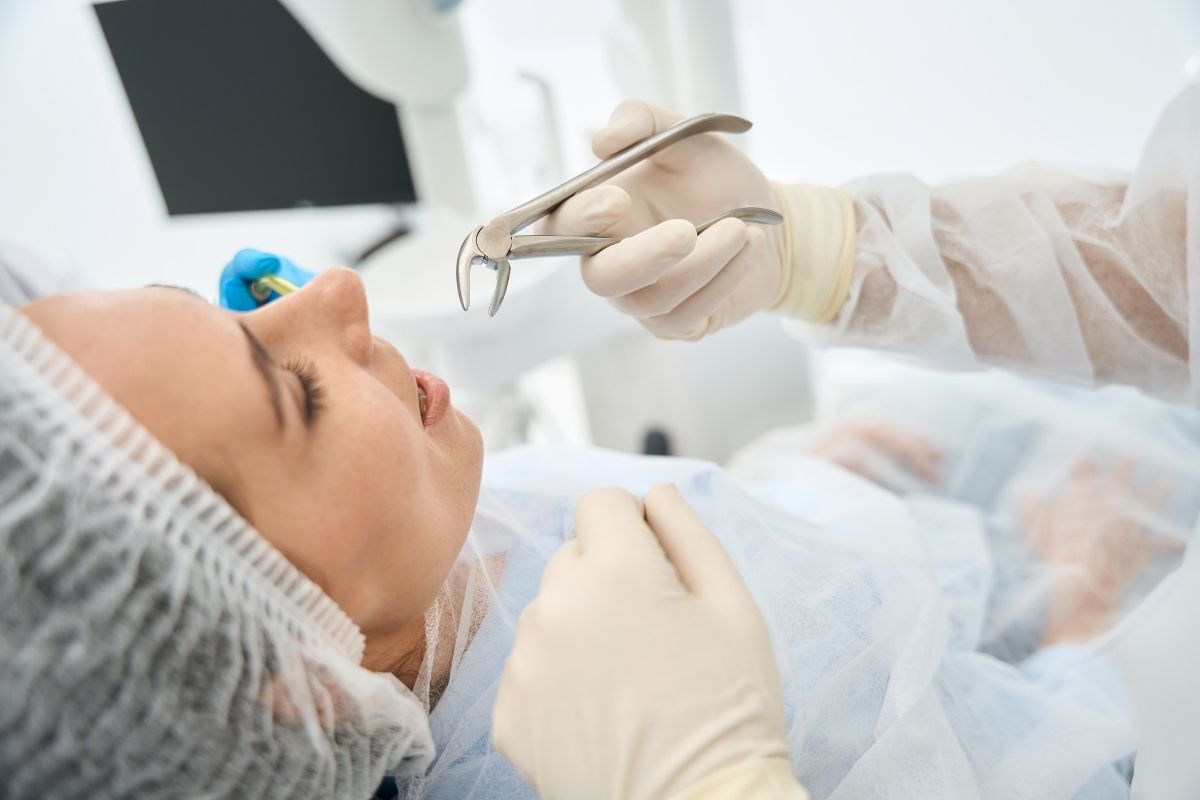
Undergoing dental extractions can be a daunting experience, but proper aftercare helps ensure a smooth recovery. Caring for your mouth post-extraction minimizes pain, prevents complications, and speeds healing. Here’s a comprehensive guide on what to do after a tooth extraction to support optimal recovery.
Why is Post-Extraction Care Vital?
After removing a tooth, your mouth needs time to heal. The procedure leaves a small hole where the tooth once was, and proper care helps this area close up safely. Without careful aftercare, you might experience complications like dry sockets, infection, or prolonged pain.
Essential Tips for Caring for Your Mouth After Extraction
Following these steps can promote quick and comfortable healing post-tooth removal.
1. Keep the Gauze in Place
After the tooth removal surgery, your dentist will place gauze over the area to control bleeding. Press your teeth together gently and maintain this position for the next 30-45 minutes. This helps blood clot formation, which is crucial for proper healing. Change the gauze if needed, but don’t disturb the area too much.
2. Avoid Touching the Surgical Site
Do not use your tongue or hands to access the tooth removal site. Picking at or probing the site can dislodge the clot, leading to complications like dry sockets. The more you leave the area undisturbed, the better it can heal.
3. Skip Rinsing for the First 24 Hours
It’s best to avoid rinsing your mouth within the first 24 hours after dental extraction. Premature mouth rinsing may remove the protective blood clot and slow recovery. From the next day, use warm saline water to cleanse the wound and decrease inflammation.
4. Eat Soft Foods
Eating the right foods helps your mouth heal without causing discomfort. For the first few days, stick to soft foods like yogurt, applesauce, mashed potatoes, and soup. Avoid hot, spicy, or acidic foods, which can irritate the site and cause pain. Chew away from the surgical area to avoid disturbing it.
5. Stay Hydrated, but Avoid Straws
Drinking water is essential, but avoid using straws for at least a week. Using straws can remove blood clots, potentially causing severe discomfort in the empty tooth socket. Instead, drink straight from a glass and take small sips to stay hydrated.
6. Apply a Cold Compress
To minimize swelling and ease pain, apply a cold compress to the outside of your cheek near the tooth removal site. Use it in 15-minute intervals, alternating between 15 minutes on and 15 minutes off. Applying ice packs decreases swelling and temporarily numbs pain in the affected region.
7. Take Pain Medication as Directed
Your dentist may recommend over-the-counter pain relievers or prescribe medication for post-extraction pain. Take medications exactly as directed, but stay away from aspirin, which may promote bleeding.
8. Keep Your Head Elevated When Sleeping
Sleep with your head raised to minimize swelling and control blood circulation around the wound. Use an extra pillow and try to sleep on your back. This position supports comfortable healing overnight.
9. Avoid Smoking and Alcohol
Smoking and alcohol can interfere with healing and increase the risk of dry socket and infection. If you smoke, try to avoid it for at least 48 hours, though the longer you abstain, the better. Alcohol should also be avoided, especially if you’re taking prescription medication.
10. Gently Clean Your Mouth
After the first 24 hours, resume brushing your teeth, but be very gentle around the surgical site. Avoid direct contact with the area to prevent dislodging the clot. Keeping the rest of your mouth clean reduces the risk of infection.
Signs to Watch For After Extraction
While most people heal well after removing teeth, knowing when to contact your dentist is essential. Watch for signs like:
– Severe pain that doesn’t improve with medication
– Continuous bleeding persisting beyond several hours
– Swelling that worsens after two days
– Foul odor or taste, which may indicate infection
If any of these symptoms arise, contact your dentist promptly to address potential complications.
Why Follow-Up Care Matters?
Your dentist might want to examine your recovery progress during a scheduled checkup. This visit allows the dental specialist to confirm that the extraction site is progressing well and answer any questions you may have. Don’t skip this check-up—it ensures you’re on the right track and provides peace of mind.
Aftercare is critical to a comfortable, speedy recovery following a tooth extraction. Simple habits like avoiding straws, eating soft foods, and applying a cold compress can make a huge difference. Following these tips and staying attentive to unusual symptoms will support smooth healing, helping you return to your routine sooner.
For any concerns, your dentist is there to help guide you through a successful recovery. Make an appointment to visit the dentist’s office in your neighborhood right now!