
1185 W Carmel Dr. #D2, Carmel, IN 46032

How Long Does Cosmetic Bonding Last on Front Teeth? Insights from Our Dentist
When minor dental imperfections such as small chips, noticeable gaps, stubborn discoloration, or uneven tooth edges stand between you and your ideal smile, composite bonding offers one of the fastest, most effective solutions available. However, before proceeding with any aesthetic improvements, many patients wonder how durable the treatment is.
On average, cosmetic tooth bonding lasts between 3 to 10 years before requiring touch-ups, polishing, or replacement. The exact lifespan depends heavily on the location of the restoration, your daily oral hygiene habits, dietary choices, and the technical precision applied during placement.
At Alvarez Family Dentistry, Dr. Keith Alvarez provides personalized, high-precision cosmetic bonding in Carmel to help patients achieve natural, durable smile transformations in just a single visit. Understanding how bonding works and how to protect your investment ensures you enjoy your refreshed smile for years to come.
What Is Cosmetic Dental Bonding and How Does It Work?
This is an aesthetic procedure in which a specialized, tooth-colored composite resin is applied directly to your tooth structure to correct visual imperfections or restore damaged areas. Unlike porcelain veneers or full dental crowns, which are custom-fabricated in a dental laboratory over multiple weeks, bonding is an in-office procedure that can usually be completed in under an hour per tooth.
During the procedure, the composite material, a durable blend of medical-grade plastic and microscopic glass particles, is carefully shade-matched to complement your natural tooth enamel. As the material is highly pliable when first applied, it allows for artistic sculpting directly on the tooth surface. Once shaped to perfection, the resin is hardened instantly with a specialized ultraviolet curing light, fusing the material chemically and mechanically to your natural enamel.
Common Clinical Applications of Composite Bonding:
- Repairing Chipped or Cracked Teeth: Restores structural integrity and seamless contours to teeth damaged by minor trauma or accidental bites.
- Closing Diastemas (Gaps): Fills unwanted spaces between front teeth without the need for prolonged orthodontic treatment.
- Masking Deep Discoloration: Covers severe internal staining that resists traditional chemical teeth whitening methods.
- Lengthening Worn Teeth: Rebuilds edges worn down by age, friction, or mild tooth grinding (bruxism).
- Restoring Receded Gum Lines: Protects exposed, sensitive root surfaces caused by gum recession or aggressive brushing.
- Cosmetic Alternative to Silver Fillings: Replaces metal amalgam fillings with seamless, tooth-colored restorations.
Key Factors That Determine How Long Bonding Lasts
Because composite resin is directly attached to natural enamel rather than replacing the whole tooth structure, several internal and external factors influence its longevity.
Location of the Bonding on the Tooth
Where the composite resin is placed plays a massive role in how long it lasts. Bonding on the biting edges of your upper front central incisors experiences significant shear force whenever you bite into sandwiches, apples, or firm foods. Conversely, bonding placed on the smooth front surface of a tooth or near the gum line to cover root exposure experiences far less mechanical stress and typically outlasts restorations on biting edges.
Bite Alignment and Force Distribution
If your bite (occlusion) is uneven, or if your upper and lower teeth collide with excessive pressure during chewing, the bonded resin is subject to heightened stress. Patients with minor misalignments may experience premature chipping or debonding if high-pressure contact points are not carefully adjusted during placement.
Oral Hygiene Routine
Although composite resin itself cannot decay, the natural enamel surrounding and underlying the bonding remains susceptible to cavities. If plaque accumulates around the margins of a bonded restoration, marginal leakage can occur, causing recurrent decay underneath the resin. Once decay develops underneath, the restoration must be removed, the cavity treated, and new resin placed.
Dietary Habits and Staining Exposures
Composite resin is non-porous compared to natural dentin, but over several years, frequent exposure to deeply pigmented foods and drinks can stain the outer resin matrix. Regular consumption of coffee, dark teas, red wine, curry, and tomato sauces, as well as tobacco use, can dull or yellow the edges of your bonding over time.
Parafunctional Habits (Grinding and Clenching)
Unconscious nighttime teeth grinding (bruxism) or habits like chewing on ice, pen caps, or fingernails apply concentrated, unnatural forces to composite resin. Because resin lacks the extreme tensile strength of natural enamel or laboratory-grade ceramics, these habits are a primary cause of unexpected chipping or premature failure.
Step-by-Step: How Precision Placement Maximizes Bonding Lifespan
The durability of composite bonding is directly tied to the precision of the clinical technique used during placement. When performed with meticulous attention to detail, the bond strength between the resin and enamel reaches its maximum potential.
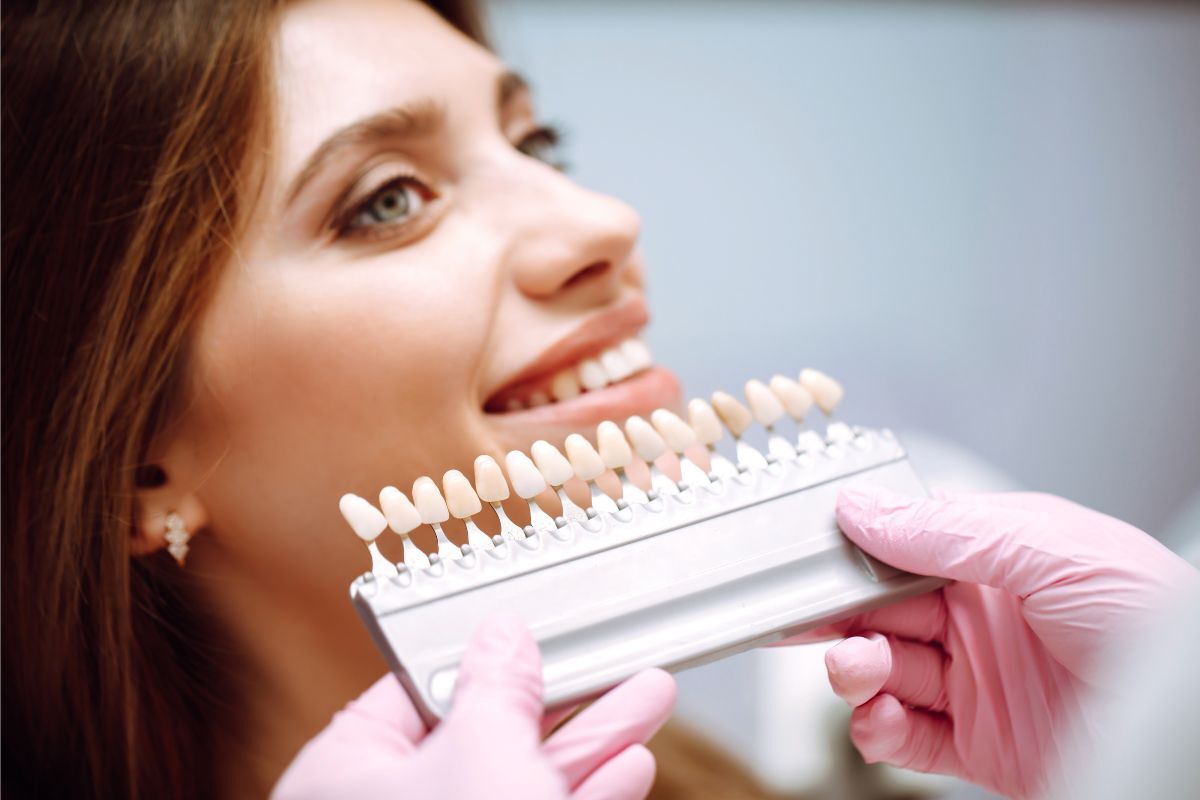
Step 1: Shade Selection
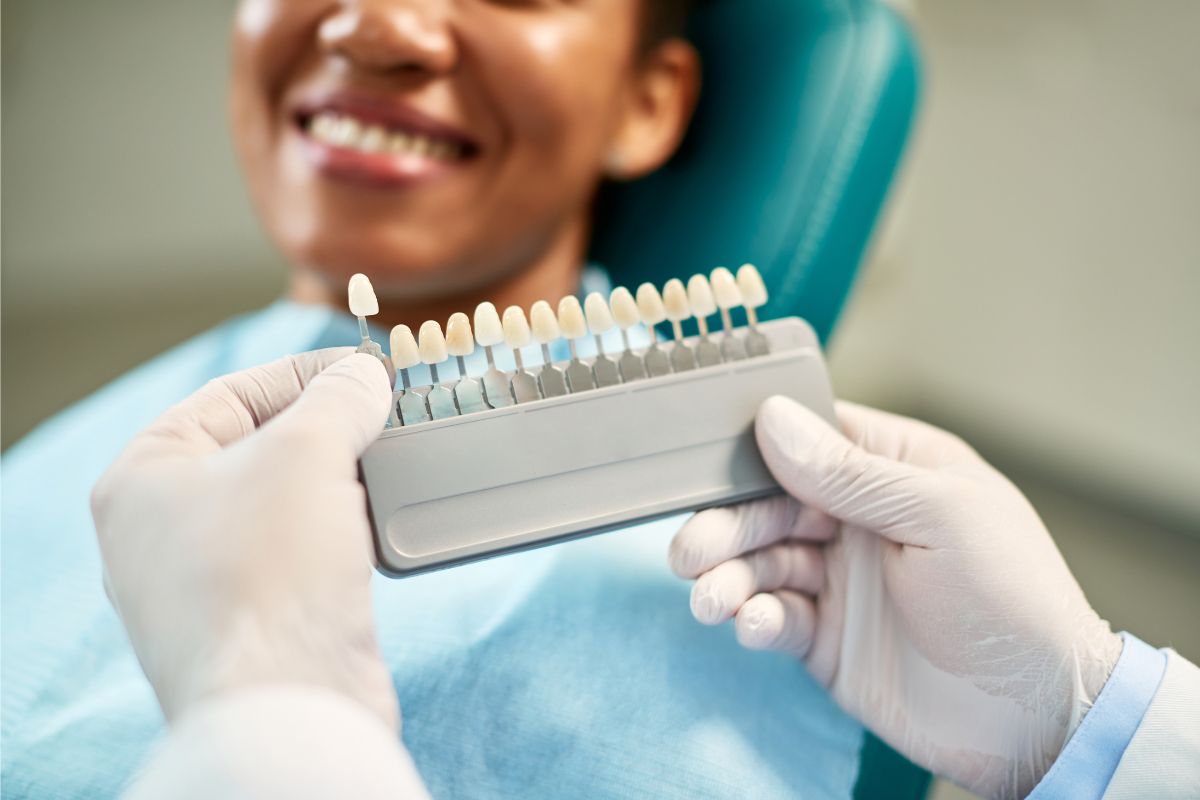
Your dentist uses a specialized dental shade guide under natural spectrum lighting to select a composite resin hue that precisely matches the shade, translucency, and value of your adjacent natural teeth.
Step 2: Surface Preparation and Etching
The tooth surface is gently cleaned and prepared. A mild liquid acid conditioner (etchant) is applied to the enamel for a few seconds. This creates microscopic pores on the surface, allowing the bonding adhesive to anchor securely into the enamel matrix.
Step 3: Adhesive Application
A specialized dental bonding resin liquid is applied over the micro-etched surface and cured with a high-intensity ultraviolet curing light to create an ultra-strong foundation.
Step 4: Layering and Artistic Sculpting
Composite resin is applied in delicate layers. Sculpting tools are used to recreate natural anatomical features such as subtle ridges, incisal translucency, and natural light reflection lines, ensuring the restoration blends seamlessly with your surrounding smile.
Step 5: Light Curing
Each layer of composite is set using a high-output LED or UV curing light. This process, known as photopolymerization, hardens the putty-like resin into a solid, durable structure in seconds.
Step 6: Occlusal Adjustment and Micro-Polishing
Your bite is carefully evaluated using articulation paper to ensure the restoration does not absorb excess force when chewing. Finally, high-grade polishing discs, rubber points, and diamond pastes refine the surface sheen to match the gloss of natural enamel.
How to Extend the Life of Your Bonding
While composite resin is built to handle everyday chewing forces, practicing proper maintenance habits can easily extend its lifespan toward the ten-year mark.
- Maintain Consistent Oral Hygiene: Brush at least twice daily with a soft-bristled toothbrush and non-abrasive fluoride toothpaste. Gentle, thorough flossing daily prevents plaque accumulation along the restoration margins.
- Avoid Abrasive Toothpastes: Charcoal toothpastes, harsh whitening powders, and highly abrasive formulations can scratch the polished surface of composite resin, leaving it dull and susceptible to staining.
- Be Mindful of What You Bite: Refrain from using your front teeth to bite into hard items like hard candies, unpopped popcorn kernels, ice cubes, or tough bones. Cut firm foods like apples or crusty bread into bite-sized pieces rather than biting directly with front teeth.
- Protect Against Nighttime Grinding: If you clench or grind your teeth while sleeping, request a custom-fitted nightguard. A custom guard cushions your teeth, preventing micro-fractures in your bonding.
- Schedule Regular Dental Cleanings: Routine professional cleanings at your Carmel dental office allow your dental hygienist to polish composite resin back to its original luster while removing surface stains and plaque buildup.
Indications: It Is Time to Polish, Touch Up, or Replace Your Bonding
Even with optimal care, composite resin naturally ages over time. Recognizing the early signs of wear allows for proactive maintenance before larger issues develop.
- Rough or Uneven Texture: If your tongue detects a sharp edge or rough spot, the outer polish may have worn down, or a small chip may have occurred.
- Marginal Discoloration: Dark lines along the boundary where the resin meets your natural enamel indicate staining or early wear along the adhesive seam.
- Loss of Luster: Over time, exposure to food acids and routine brushing can dull the initial shine of composite resin, which can easily be refreshed with a professional dental polish.
- Bite Discomfort: If a bonded tooth feels elevated or uncomfortable when chewing, your bite may need a slight occlusal adjustment.
Frequently Asked Questions
Does getting cosmetic dental bonding hurt or require anesthesia?
Cosmetic dental bonding is virtually painless and rarely requires local anesthesia, unless it is being used to fill a deep, decayed cavity near a nerve. The surface preparation is non-invasive and gentle on your tooth enamel.
Can cosmetically bonded teeth be bleached or whitened later?
No, composite resin does not respond to peroxide whitening gels. If you plan to whiten your natural teeth, do so before getting bonding so your dentist can perfectly match the resin to your newly brightened enamel.
What should I avoid eating or drinking right after cosmetic bonding?
Avoid deeply pigmented beverages like coffee, red wine, and tea, as well as staining foods like berries or soy sauce, for at least 48 hours following your treatment while the composite material fully stabilizes its polish.
How quickly can cosmetic tooth bonding be completed?
Cosmetic bonding is completed in a single dental appointment. Treating a single tooth usually takes between 30 and 60 minutes, making it one of the most efficient aesthetic dental procedures available to instantly restore your smile.
What happens if my cosmetic dental bonding chips or breaks off?
If your bonding chips, do not worry; composite resin can easily be repaired in a single visit. Your dentist simply cleans the area, re-etches the surface, and applies fresh resin without needing to redo the entire tooth.
Will insurance cover the cost of my cosmetic dental bonding?
Dental insurance typically covers bonding if it is medically necessary to repair tooth decay, structural damage, or fracture. However, if the procedure is performed strictly for aesthetic improvements, insurance coverage may be limited or excluded.
How do I know if I am a good candidate for cosmetic bonding in Carmel?
You are a great candidate for cosmetic bonding if you have good overall oral health and wish to correct minor cosmetic flaws like chips, gaps, or small discolorations on teeth that sustain moderate biting forces.