
1185 W Carmel Dr. #D2, Carmel, IN 46032

Dental Crown Aftercare: How to Protect Your New Tooth

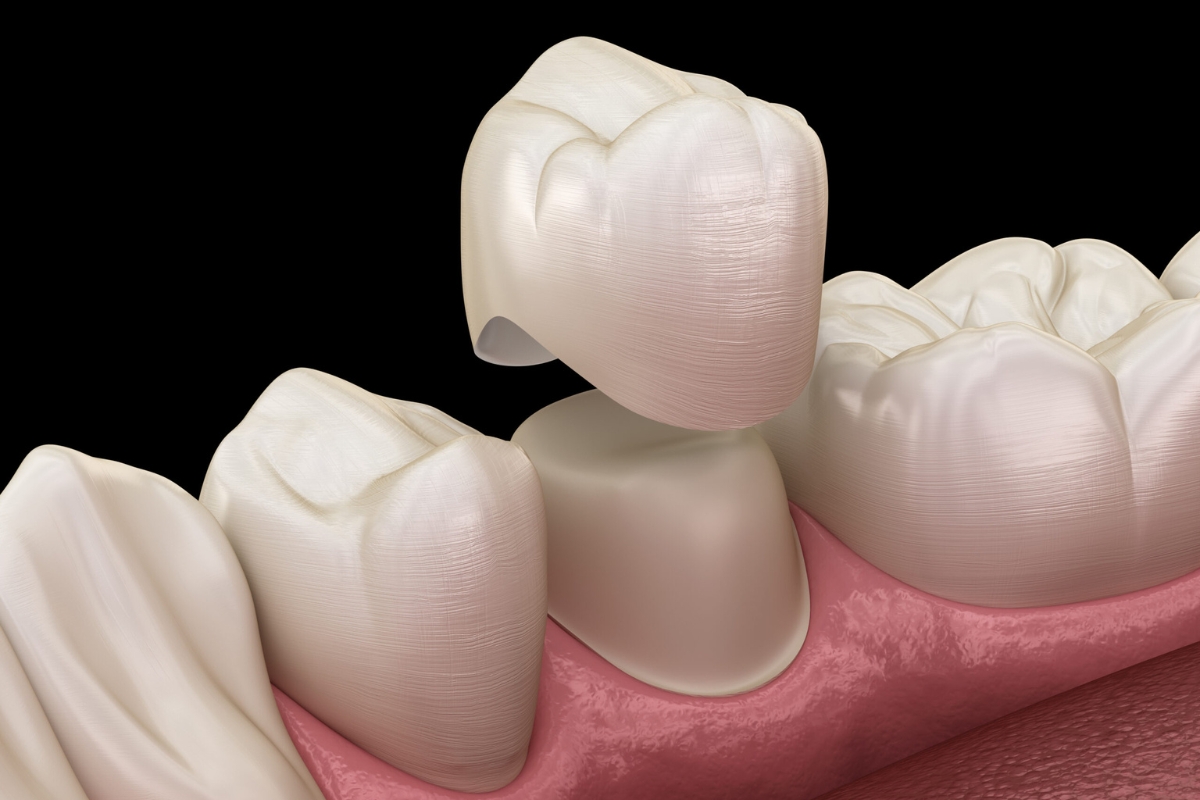
A dental crown is one of the most effective ways to restore a damaged or decayed tooth, improving both its function and appearance. Whether you’ve received a crown for a cracked tooth, a large cavity, or after a root canal, proper aftercare is crucial to ensure the longevity of your new restoration. In this guide, we’ll walk you through everything you need to know about dental crown aftercare, including tips, common mistakes to avoid, and signs you need a follow-up visit.
Why Dental Crown Aftercare Matters
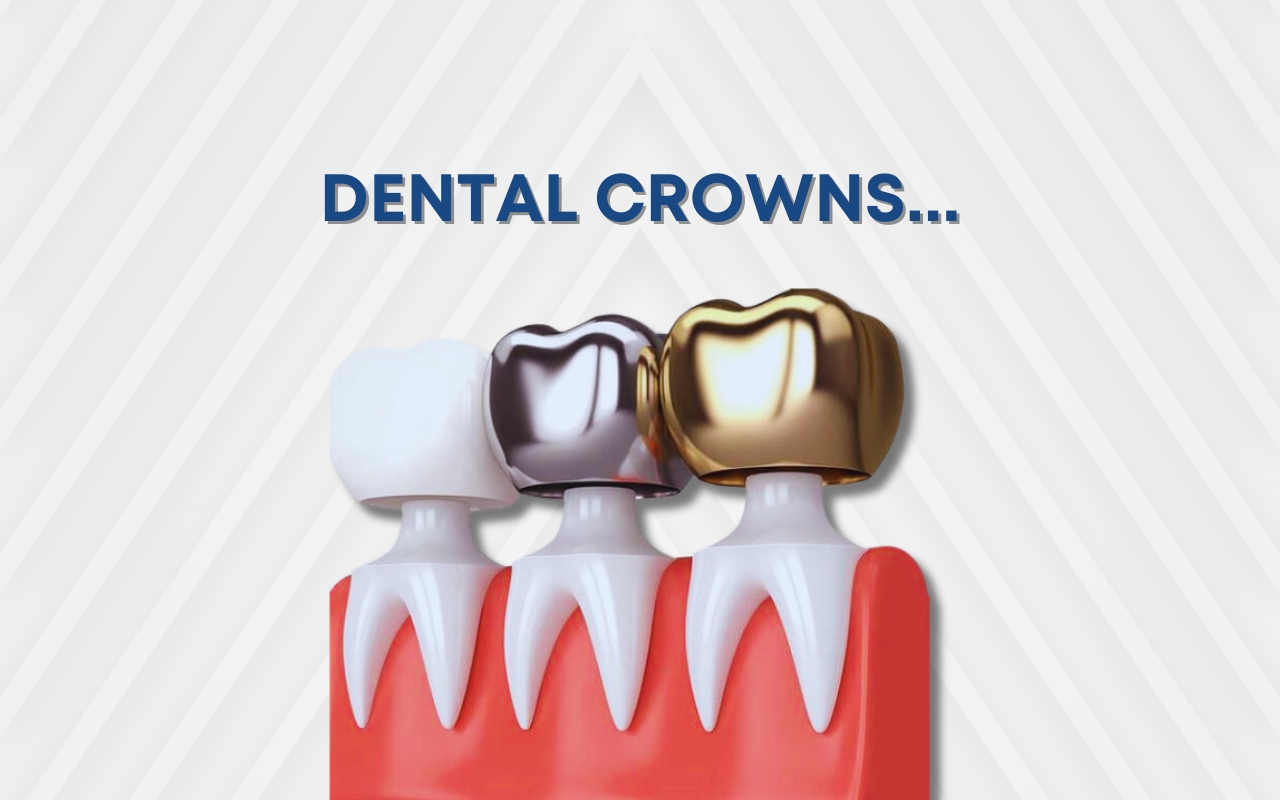
Dental crowns are durable, but they aren’t invincible. Typically made from porcelain, ceramic, metal, or a combination, crowns can last anywhere from 5 to 15 years—or even longer—with the right care.
Without proper aftercare, your crown may:
- Wear out faster
- Loosen or fall off
- Cause discomfort or pain
- Contribute to gum disease or tooth decay
Investing a little time into aftercare can help you protect your smile and avoid expensive dental repairs later on.
What to Expect After Getting a Dental Crown
Once your dentist places your new crown, you may experience:
- Mild sensitivity to hot or cold
- Slight soreness in the gum or surrounding teeth
- Minor discomfort when chewing (especially with a temporary crown)
These symptoms are typically short-lived and should improve within a few days. However, if pain worsens or your bite feels off, it’s important to contact your dentist for an adjustment.
Immediate Aftercare Tips for a New Crown
1. Avoid Eating Until the Numbness Wears Off
After your procedure, your mouth may be numb due to local anesthesia. Avoid eating until the numbness fades to prevent accidentally biting your cheek or tongue.
2. Be Gentle with Temporary Crowns
If your crown placement is a two-step process, you may receive a temporary crown first. These are not as strong as permanent crowns, so avoid sticky or hard foods and chew on the opposite side of your mouth.
3. Choose Soft Foods Initially
For the first 24–48 hours, stick to soft foods such as yogurt, smoothies, scrambled eggs, or soup. This helps reduce pressure on your crown and promotes gum healing.
Long-Term Dental Crown Aftercare Tips
1. Maintain Excellent Oral Hygiene
A crowned tooth is still vulnerable to decay at the gumline. Brushing twice a day and flossing once daily are essential to protect both your natural tooth and the crown.
Key hygiene tips:
- Use a soft-bristled toothbrush to avoid scratching the crown.
- Floss gently around the crown, using a sliding motion rather than snapping the floss.
- Consider using an antibacterial mouthwash to prevent plaque buildup.
2. Watch What You Eat
Certain foods can damage or dislodge your crown over time. Limit your intake of:
- Sticky foods (e.g., caramel, gum)
- Hard foods (e.g., ice, hard candies, nuts)
- Chewy meats or crusty bread
Opt for a balanced diet that supports oral health, rich in calcium, vitamins, and fiber.
3. Avoid Using Your Teeth as Tools
Never use your crowned (or any) tooth to open packages, tear tape, or crack nuts. This can chip or break your crown—and damage your natural teeth too.
4. Address Teeth Grinding (Bruxism)
If you grind or clench your teeth at night, the pressure can wear down or damage your crown. Talk to your dentist about getting a custom nightguard to protect your smile while you sleep.
How to Handle a Loose or Broken Crown
Even with great care, crowns can loosen, chip, or fall off due to age, wear, or biting into something hard.
If your crown comes off:
- Save the crown if possible and bring it to your dentist.
- Rinse your mouth with warm salt water to keep the area clean.
- Use dental wax or temporary dental cement (available at pharmacies) to protect the exposed tooth if you can’t see your dentist right away.
Avoid chewing on that side until it is properly repaired or replaced.
When to Call Your Dentist
You should contact your dentist if you experience:
- Persistent pain or pressure after several days
- Sensitivity that worsens over time
- A crown that feels loose or uneven
- Swelling or redness near the crowned tooth
- A noticeable gap between the crown and gumline
Prompt care ensures small problems don’t turn into major issues.
Teeth Whitening and Crowns: What You Should Know
Many patients wonder if they can whiten their smile after getting a crown. It’s important to note that dental crowns do not respond to whitening agents. If you’re considering whitening your teeth, it’s best to do it before getting a crown, so your dentist can match the crown to your new shade.
If you already have a crown and want to whiten your teeth, talk to your dentist about your options. In some cases, replacing the crown after whitening may be the best way to achieve a uniform, bright smile.
How Often Should You Visit the Dentist After a Crown?
Routine checkups and cleanings—every 6 months—are key to maintaining both your crown and your overall oral health. During these visits, your dentist will:
- Check for signs of decay under or around the crown
- Inspect your bite and crown placement
- Polish the crown to keep it looking natural and clean
If you’re prone to gum issues or have multiple restorations, your dentist may recommend more frequent visits.
Protecting Your Investment
A dental crown is a valuable investment in your oral health, function, and confidence. With the right aftercare—good hygiene, mindful eating habits, regular checkups, and protection against grinding—you can enjoy your crown for many years to come.
Whether you’re recovering from a recent crown procedure or looking to extend the life of an existing one, a proactive approach to care is your best defense.
Need Help with a Crown or Other Dental Issue?
Your smile deserves expert care and attention. If you have concerns about your dental crown, are considering a new restoration, or simply want to maintain your oral health, our experienced team is here for you. Book an appointment now and let us help you protect your smile for years to come.