1185 W Carmel Dr. #D2, Carmel, IN 46032

Can Health Conditions Impact Cosmetic Dental Bonding Results?
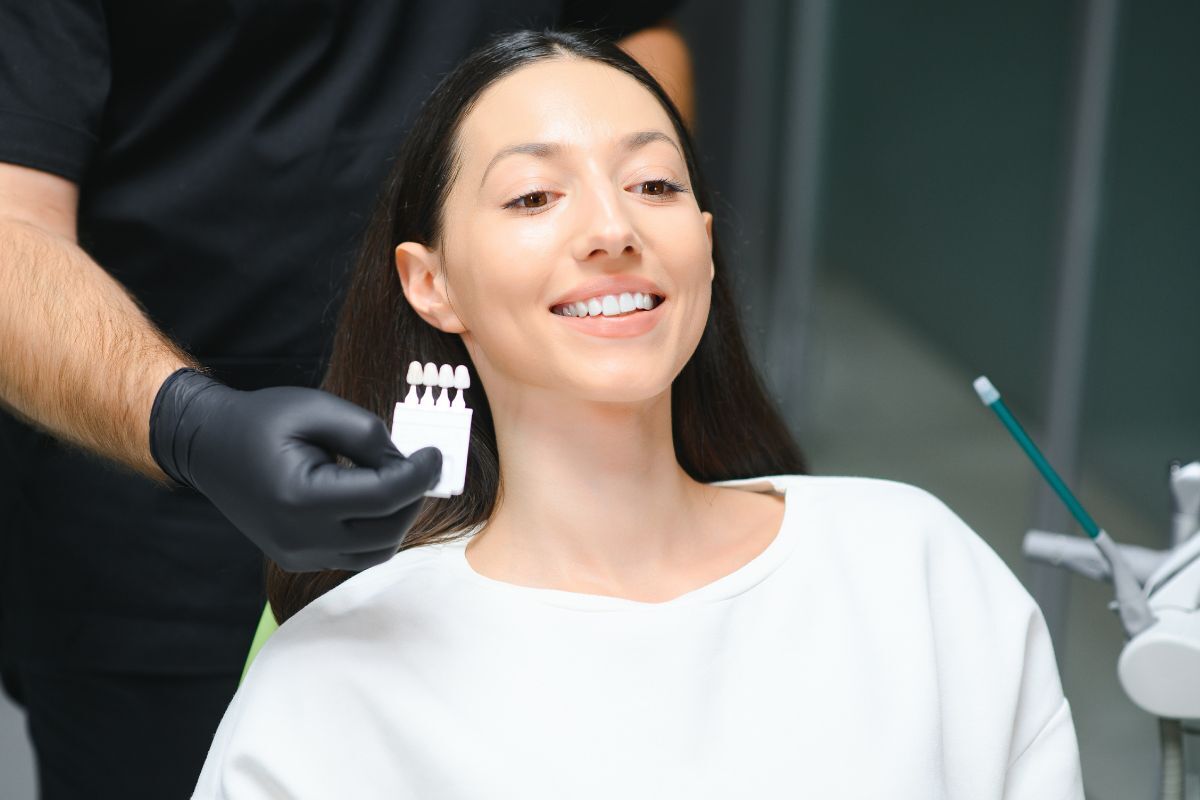
Cosmetic improvements can transform the appearance of a smile, but long-term success depends on more than the procedure itself. Your overall health, daily habits, and oral condition all influence how well bonding material performs over time. If you are considering cosmetic bonding in Carmel or already have bonding, understanding these factors can help you protect your investment and enjoy lasting results.
At Alvarez Family Dentistry, every patient receives a comprehensive evaluation before treatment begins. Certain medical conditions do not automatically prevent cosmetic dental bonding, but they may affect healing, durability, or maintenance. Knowing these risks allows your dentist to recommend the right approach and provide guidance that supports long-term success.
Why Overall Health Matters Before Cosmetic Bonding
Before recommending any dental treatment, your dentist evaluates both your oral and general health. Cosmetic procedures depend on healthy teeth, gums, and a stable bite.
Several health conditions may influence how long cosmetic dental bonding lasts by affecting:
- Gum health
- Saliva production
- Tooth structure
- Healing ability
- Bite pressure
- Daily oral hygiene
A complete examination helps identify these concerns before treatment begins, allowing for realistic expectations and appropriate planning.
Health Conditions That May Affect Bonding Results
Gum Disease
Healthy gums provide essential support for bonded teeth. Active periodontal disease can lead to gum recession, exposing bonding margins and making restorations more noticeable.
Before cosmetic procedures, gum problems should usually be treated first. This creates a healthier foundation and improves long-term appearance.
Diabetes
People with uncontrolled diabetes may experience slower healing and a greater risk of gum inflammation. Although cosmetic dental bonding remains an option for many individuals, blood sugar management plays an important role in maintaining healthy tissues.
Consistent dental care and regular checkups help reduce complications and protect bonded teeth.
Dry Mouth (Xerostomia)
Saliva protects teeth by washing away bacteria and neutralizing acids. Medical conditions such as Sjögren’s syndrome or certain medications can reduce saliva production.
Dry mouth may increase the risk of:
- Tooth decay around bonded areas
- Surface staining
- Plaque buildup
- Gum irritation
Managing dry mouth supports both natural teeth and bonding materials.
Acid Reflux (GERD)
Frequent exposure to stomach acid can gradually weaken tooth enamel. While bonding resin is durable, the surrounding tooth structure may become more vulnerable over time.
If acid reflux is controlled through medical management and lifestyle changes, your dental treatment may have a more predictable outcome.
Bruxism (Teeth Grinding)
Grinding or clenching places repeated pressure on front teeth where bonding is commonly placed. Over time, this force can increase the chance of:
- Chipping
- Cracking
- Premature wear
- Bond failure
Patients with bruxism may benefit from a custom night guard after cosmetic dental bonding to help protect their smile.
Can Autoimmune Disorders Influence Bonding?
Some autoimmune conditions may contribute to dry mouth, gum inflammation, or slower tissue recovery. These factors do not automatically prevent treatment, but they may require closer monitoring.
Your dentist may recommend adjustments to your dental treatment plan based on your medical history, medications, and current oral health.
Medications That Can Affect Bonding Longevity
Many prescription medications influence oral health without patients realizing it.
Examples include medications that may:
- Reduce saliva production
- Increase gum enlargement
- Affect healing
- Cause mouth irritation
Providing a complete medication list allows your dentist to plan safer dental treatment and recommend preventive strategies before bonding is completed.
Why Treating Existing Dental Problems Comes First
General health is only one part of the evaluation. Several oral conditions should also be addressed before bonding.
These include:
- Untreated cavities
- Active gum infection
- Large existing fractures
- Significant enamel loss
- Bite misalignment
- Poor oral hygiene
Addressing these concerns first helps improve the longevity of cosmetic bonding in Carmel while reducing the likelihood of future repairs.
In the middle of your smile improvement journey, Alvarez Family Dentistry focuses on identifying these underlying issues before beginning cosmetic procedures, helping patients achieve healthier and more predictable outcomes.
How to Protect Bonding if You Have a Medical Condition
Having a medical condition does not necessarily mean bonding will fail. Many patients enjoy successful results by following professional recommendations.
You can help protect cosmetic dental bonding by:
- Brushing twice daily with a soft-bristled toothbrush.
- Flossing carefully around bonded teeth.
- Managing chronic medical conditions as advised by your physician.
- Wearing a night guard if you grind your teeth.
- Limiting tobacco use.
- Avoiding chewing ice or other hard objects.
- Scheduling routine dental care visits.
These simple habits reduce unnecessary stress on bonded teeth and support long-term success.
Why an Individual Evaluation Is Important
Every smile is different, and every patient’s medical history is unique. A detailed consultation helps determine whether bonding is the right option or whether another cosmetic solution may provide a more durable result.
During your consultation, Dr. Alvarez reviews:
- Your medical history
- Current medications
- Gum health
- Bite alignment
- Tooth condition
- Cosmetic goals
This careful evaluation helps create a realistic treatment plan while minimizing avoidable complications.
Ongoing Maintenance Supports Long-Term Results
Bonding is not permanent and requires regular maintenance. Patients with chronic health conditions often benefit from more frequent monitoring to detect small problems before they become larger ones.
Routine dental care, professional cleanings, and periodic examinations allow your dentist to polish bonded surfaces, evaluate margins, and recommend repairs if necessary.
Whether your bonding was completed recently or several years ago, maintaining consistent dental care plays an important role in preserving your smile.
If you notice rough edges, staining, chips, or changes in your bonded teeth, visit our dental office for a professional evaluation before the damage progresses.
Protect Your Smile with the Right Guidance
Health conditions do not automatically prevent cosmetic dental bonding, but they can influence how long the results last and how much maintenance may be needed. Understanding these factors allows patients to make informed decisions and care for their smiles with confidence.
Dr. Alvarez will evaluate your oral health, medical history, and treatment goals to determine the most appropriate approach for your needs. If you are considering cosmetic bonding in Carmel or want to maintain existing bonding, Alvarez Family Dentistry welcomes patients from Carmel and surrounding communities. Book an appointment today to learn about your options and take the next step toward a healthier, more confident smile.
FAQs
1. Can I get cosmetic bonding if I have diabetes?
Yes, many people with diabetes can receive bonding successfully. Maintaining healthy blood sugar levels and following recommended oral hygiene practices can help support healing and improve long-term results. Your dentist will evaluate your overall health before recommending treatment.
2. Does teeth grinding damage bonded teeth?
Yes. Continuous grinding or clenching places excessive pressure on bonded areas and may increase the risk of chips, cracks, or wear. Wearing a custom night guard while sleeping can help protect your restorations and natural teeth.
3. Will dry mouth shorten the lifespan of bonding?
Dry mouth may increase plaque buildup and the risk of decay around bonded teeth. Managing saliva production, staying hydrated, and attending regular checkups help reduce these risks and maintain healthier restorations.
4. Should gum disease be treated before bonding?
In many cases, yes. Healthy gums provide a stronger foundation for cosmetic procedures. Treating gum disease first helps improve appearance, supports restoration longevity, and reduces the risk of future complications.
5. How often should bonded teeth be checked?
Most patients should have bonded teeth evaluated during routine dental visits. Those with chronic health conditions or heavy bite forces may benefit from more frequent examinations to identify wear or damage early.
6. Can bonded teeth be repaired if they become damaged?
Yes. Minor chips, stains, or worn areas can often be repaired without replacing the entire restoration. Prompt evaluation allows your dentist to determine the most appropriate solution and restore the appearance and function of your smile.