
1185 W Carmel Dr. #D2, Carmel, IN 46032

Eating with Dentures: What to Avoid and How to Enjoy Your Favorite Foods
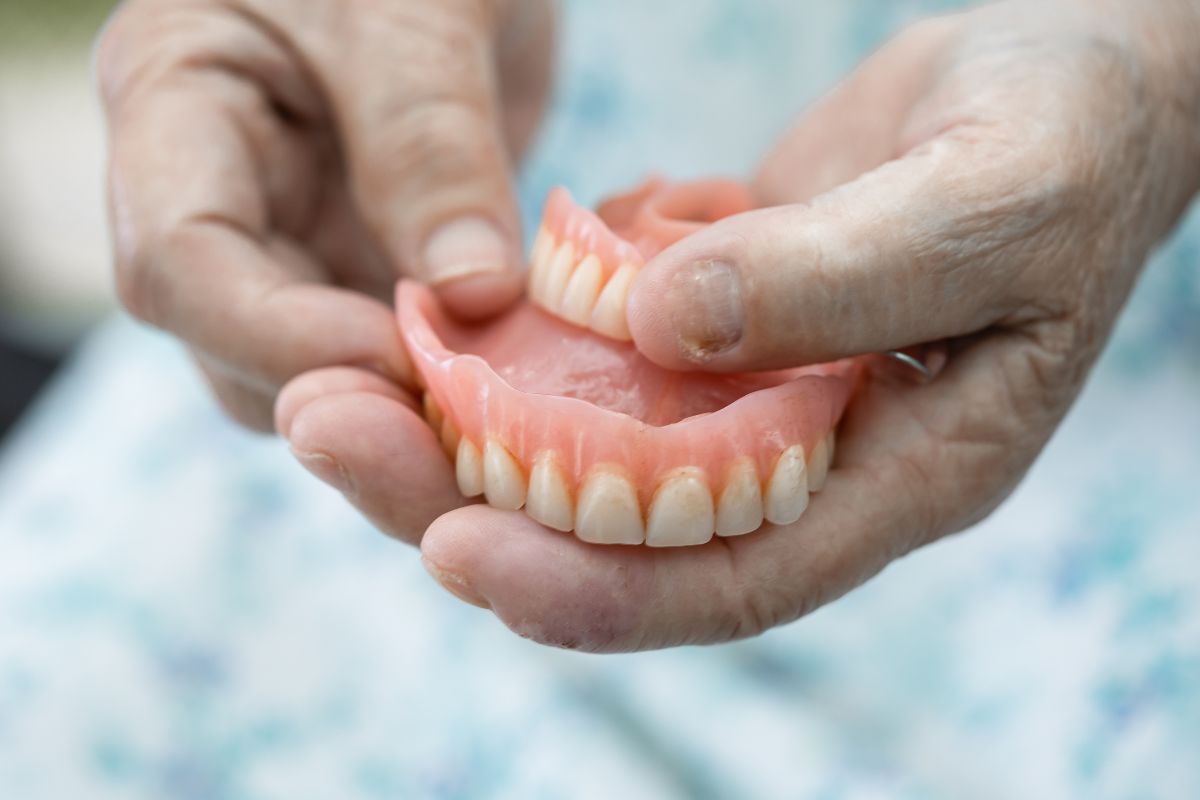
Adjusting to life with dentures comes with a learning curve—especially when it comes to eating. Whether you’ve just received your first set of dentures or are transitioning to a new pair, you may be wondering, can I still enjoy my favorite foods? The good news is yes—with some patience and a few smart tips, you can eat comfortably and confidently again.
In this blog, we’ll explore what foods to avoid, how to safely eat different types of meals, and techniques to help you enjoy a fulfilling, denture-friendly diet.
The First Days: Start Soft and Slow
When you first get your dentures, your gums and mouth need time to adjust. During this healing period, it’s best to stick with soft, easy-to-chew foods to avoid irritation or dislodging your dentures.
Great Options for the First Week:
- Mashed potatoes
- Yogurt
- Applesauce
- Scrambled eggs
- Oatmeal
- Smoothies
- Broth-based soups (not too hot!)
Take small bites, chew slowly, and try chewing on both sides of your mouth to keep your dentures stable and even.
Foods to Avoid with Dentures
Even after the adjustment period, certain foods can damage or dislodge dentures. Here are common culprits you’ll want to limit or avoid:
1. Sticky Foods
- Caramel, taffy, chewing gum, and gummy candies can pull on dentures or cause them to shift.
2. Hard or Crunchy Foods
- Nuts, popcorn kernels, hard candy, and raw vegetables (like carrots) can break dentures or irritate your gums.
3. Tough Meats
- Steak, jerky, and other chewy cuts are harder to break down and may strain your jaw or dislodge your dentures.
4. Foods with Small Seeds or Bits
- Foods like seeded breads, strawberries, and sesame crackers can trap tiny particles under your dentures, causing discomfort or infection.
5. Corn on the Cob or Whole Apples
- Biting directly into firm foods can unseat your dentures or cause uneven pressure on your gums.
How to Enjoy Your Favorite Foods Again
The good news? You don’t have to give up the foods you love—you just may need to prepare them differently or modify your eating habits.
Bread and Sandwiches
- Toasted or crusty bread may be too hard on dentures. Choose soft, fresh bread or lightly toasted slices.
- For sandwiches, skip tough fillings and opt for soft-cooked meats like chicken salad, tuna, or egg salad.
Cheese and Dairy
- Most dairy products are denture-friendly. Soft cheeses (like mozzarella or brie) are easier to chew than harder varieties.
- Yogurt and cottage cheese offer a good source of calcium without the bite.
Meat and Protein
- Choose tender cuts like ground meat, shredded chicken, or slow-cooked meats.
- Marinate tougher cuts to soften them or cook them in a slow cooker or pressure cooker.
- Try alternative proteins like beans, tofu, eggs, or fish.
Fruits and Vegetables
- Steam or roast vegetables to make them softer.
- Blend fruits into smoothies or cook them down into compotes or sauces.
- Cut raw fruits into small slices and avoid biting into them whole.
Pizza and Fast Food
- You can still enjoy pizza—just opt for thin crusts and avoid toppings that are too chewy or crunchy.
- For burgers, go for softer buns, and make sure toppings like lettuce or pickles are thinly sliced to avoid dislodging your dentures.
Snacks and Treats
- Skip sticky candies and instead choose pudding, Jell-O, applesauce, or ice cream.
- If you’re craving something crunchy, try baked veggie chips or puffed snacks, which are often lighter and easier to chew.
Tips for Eating Comfortably with Dentures
Even with softer foods, the way you eat matters. Here are tips to help you eat comfortably and confidently:
1. Cut Food into Small Pieces
Smaller pieces are easier to manage and reduce the risk of denture slippage.
2. Chew Evenly
Try to chew food using both sides of your mouth to distribute pressure and keep your dentures stable.
3. Use Denture Adhesives
An over-the-counter denture adhesive can improve grip and reduce food particles from getting trapped underneath.
4. Stay Hydrated
Dry mouth can affect how well your dentures fit and feel. Drink plenty of water to help with saliva production and overall comfort.
5. Practice Patience
Eating with dentures is a new skill. It may feel awkward at first, but your muscles and coordination will adapt over time.
Dining Out with Dentures
Worried about eating out at restaurants? With some prep and smart ordering, you can dine out with ease:
- Check the menu beforehand for denture-friendly options.
- Avoid crunchy appetizers like chips or crusty bread.
- Order soft foods, like pasta, baked fish, mashed potatoes, or soups.
- Keep denture adhesive with you just in case you need a touch-up.
Confidence is key. With time and experience, you’ll become more comfortable eating in public again.
Cleaning and Maintenance After Eating
After meals, food particles can easily get trapped under your dentures, which can lead to bad breath, irritation, or infection if not cleaned properly.
Here’s how to care for your dentures:
- Rinse your mouth and dentures after each meal.
- Brush your dentures at least once a day with a soft-bristled brush and denture cleaner.
- Soak overnight to keep them moist and maintain their shape.
- Visit your dentist regularly to check for proper fit and hygiene.
When to Call Your Dentist
If you’re experiencing persistent discomfort, sore spots, or difficulty eating, it may be a sign your dentures need adjustment. Dentures that don’t fit properly can cause long-term oral health issues, so don’t hesitate to schedule a visit.
Common signs to watch for:
- Dentures slipping while eating or speaking
- Clicking sounds
- Gum pain or sores
- Persistent bad breath despite cleaning
Living with dentures doesn’t mean giving up on the foods you love. With a few adjustments and some practice, you can enjoy a wide variety of meals without discomfort or embarrassment. The key is to be patient with yourself, learn new techniques, and keep your dentures clean and well-fitted.
If you’re struggling with your current dentures or are ready for a better-fitting, more comfortable set, don’t wait—professional help can make all the difference.
Ready to enjoy your favorite foods again with confidence?
Visit us at Alvarez Family Dentistry—your trusted denture and restorative dental provider. We’re here to help you eat, speak, and smile with ease. Our friendly team is located at 1185 W Carmel Dr. #D2, Carmel, IN 46032, and we’re always happy to answer your questions or schedule your next appointment.