
1185 W Carmel Dr. #D2, Carmel, IN 46032

The Impact of Removable Dentures on Oral Health: Myths and Facts
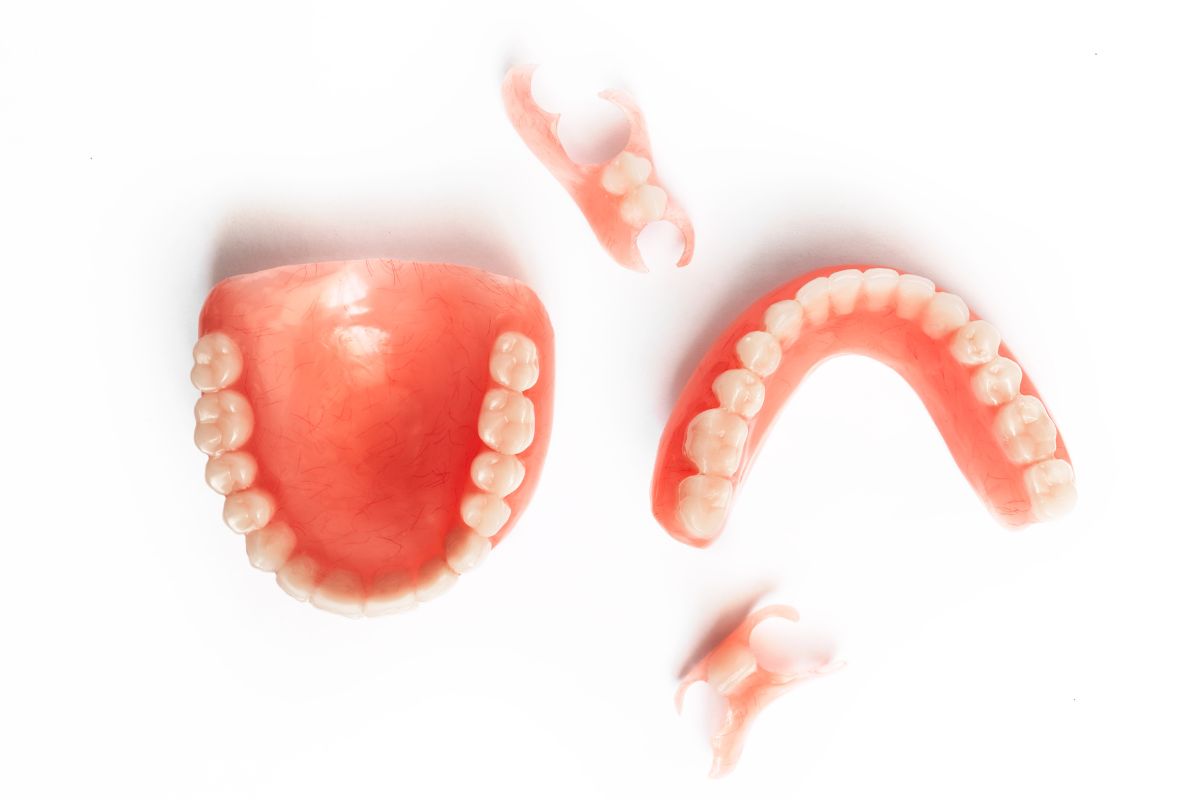
Removable dentures are an effective solution for tooth replacement, restoring functionality and aesthetics for those who have lost teeth. However, despite their popularity, there are numerous myths surrounding their impact on oral health. This blog explores the truths and misconceptions about removable dentures, helping patients make informed decisions about their dental health.
Myth 1: Removable Dentures Mean You Don’t Need to Brush or Floss
Fact: Even with removable dentures, oral hygiene remains essential. Plaque, bacteria, and food particles can build up on the dentures and around the gums, leading to irritation and infections if not removed regularly. Cleaning your dentures daily with a denture brush and non-abrasive cleaner, along with rinsing your mouth, will help maintain good oral health. Patients should also clean their gums, tongue, and any remaining teeth to avoid issues like bad breath or gum disease.
Myth 2: Dentures Prevent Gum Disease and Cavities
Fact: Dentures do not eliminate the risk of gum disease or cavities on remaining natural teeth. Gum tissue remains susceptible to bacterial buildup, and if not properly cleaned, it can lead to gum infections and conditions like stomatitis (inflammation of the oral tissues). If you have partial dentures, the remaining teeth are still prone to cavities, especially in areas where plaque can accumulate around clasps. Regular dental checkups and thorough daily cleaning are essential to prevent these issues.
Myth 3: Dentures Will Always Fit Perfectly
Fact: Over time, your gums and jawbone will change due to natural aging and bone resorption (bone loss), which often causes dentures to fit less securely. Ill-fitting dentures can lead to discomfort, sore spots, and increased gum irritation. Getting regular checkups allows your dentist to reline, rebase, or adjust your dentures for a snug fit. Dentures that fit well help to prevent friction-related sores and improve function, helping you avoid a cycle of irritation and repair.
Myth 4: Dentures Last a Lifetime
Fact: While dentures are durable, they are not designed to last forever. On average, dentures need to be replaced every 5 to 10 years due to wear and tear, changes in gum and bone structure, and potential discoloration. Over time, daily use, cleaning, and natural oral changes take a toll on dentures, making regular assessments by your dentist necessary to determine if replacement is needed.
Myth 5: Removable Dentures Will Stop Jawbone Loss
Fact: Removable dentures, especially those not anchored by implants, do not prevent bone loss. When teeth are lost, the jawbone no longer receives the stimulation it needs to maintain density, leading to bone resorption. Over time, bone loss can alter facial structure and affect denture fit. While traditional removable dentures rest on the gums and do not stimulate the bone, implant-supported dentures provide this stimulation, helping to slow bone loss and maintain the structure of the jawbone.
Myth 6: Dentures Limit Your Food Choices Permanently
Fact: While there is an adjustment period when first using dentures, many people find they can eat a wide range of foods with time. Certain hard, sticky, or chewy foods may need to be avoided initially, but with practice and a well-fitted set of dentures, most patients enjoy a varied diet. However, foods that place undue pressure on dentures should be eaten carefully, and cutting food into small bites can make eating easier and more comfortable.
Myth 7: Dentures Look Fake and Obvious
Fact: Thanks to modern dental advancements, dentures are more realistic and comfortable than ever. Dentists use high-quality materials and customize the shade, shape, and fit of the dentures to look like natural teeth, ensuring a good aesthetic match with each patient’s smile. Personalized dentures can complement the natural facial structure, allowing patients to smile with confidence.
Myth 8: You Can Sleep with Your Dentures In
Fact: It’s generally recommended to remove dentures at night to give your gums a rest and allow the soft tissues to breathe. Sleeping with dentures in can increase the risk of infections, particularly fungal infections like denture stomatitis. When dentures are left in overnight, the warm, moist environment encourages bacterial growth, which can lead to gum irritation. Removing them also allows the gum tissue to experience normal circulation, preventing inflammation and keeping your oral tissues healthier.
Myth 9: Once You Have Dentures, You Don’t Need to Visit the Dentist
Fact: Regular dental visits are important even if you have full dentures. Dentists check for any changes in oral health, such as bone loss, gum health issues, or any abnormalities in the soft tissues. They also examine the fit and condition of the dentures, making necessary adjustments or relining if needed. Routine checkups allow dentists to catch early signs of any issues and ensure your dentures remain comfortable and functional.
Myth 10: Denture Adhesives Are Always Necessary
Fact: Well-fitted dentures usually stay in place without the need for adhesives. Adhesives may be recommended in some cases for added stability, but they shouldn’t be a crutch for poor fit. If your dentures are loose or shifting frequently, it’s a sign to visit your dentist for an adjustment. Overuse of adhesive can make dentures feel less comfortable and can even irritate your gums.
Benefits of Removable Dentures on Oral Health
Despite these myths, removable dentures have significant benefits for oral health, particularly for those who have lost multiple teeth:
- Improved Chewing Function: Dentures restore the ability to chew, improving nutrition and digestive health.
- Enhanced Speech Clarity: Missing teeth can affect speech, but dentures help patients speak more clearly.
- Preserved Facial Structure: Dentures support the lips and cheeks, helping to maintain a natural facial shape.
- Boosted Confidence: Dentures can restore a patient’s smile, enhancing self-esteem and social confidence.
Removable dentures are a valuable option for tooth replacement, but maintaining them properly is key to their longevity and positive impact on your oral health. By understanding the facts behind common myths, you can confidently approach denture care and make the most of your dental visits to keep both your dentures and oral health in optimal condition. Always consult with your dentist for personalized advice on your unique dental needs, so you can enjoy a healthy, functional smile with removable dentures.