

1185 W Carmel Dr. #D2, Carmel, IN 46032

Root Canal Treatment: How Long It Takes and What to Expect
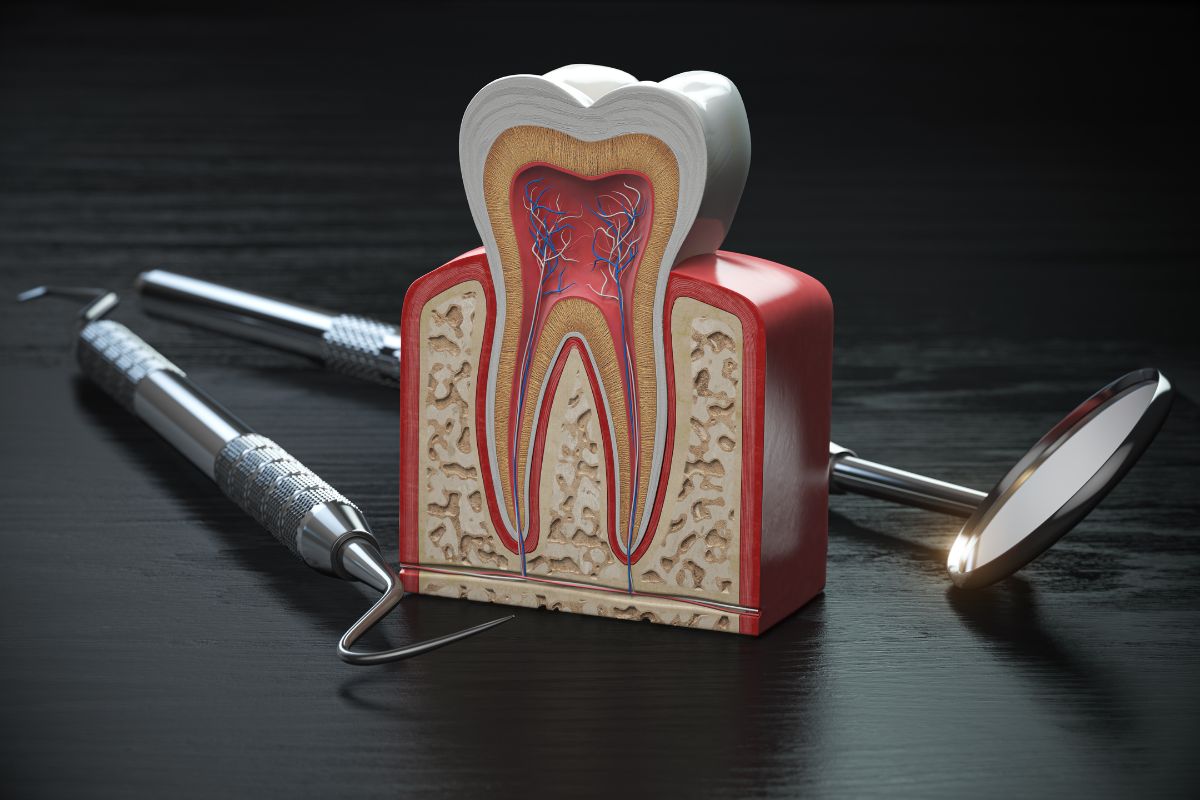
If your dentist tells you that you need a root canal, you may immediately wonder how much time you will spend in the dental chair. You may also have questions about discomfort, recovery, and whether you will need more than one appointment. Fortunately, understanding the process can make treatment feel much more manageable.
Most straightforward procedures take roughly 60 to 90 minutes, although treatment time varies based on the tooth, the number and shape of its canals, and the extent of infection. Some simpler teeth may require less time, while complex molars can take longer or require another appointment.
At Alvarez Family Dentistry, Dr. Keith Alvarez provides comprehensive dental care with an emphasis on preserving natural teeth whenever appropriate. For patients considering root canal therapy in Carmel, understanding each stage of treatment can help you arrive prepared and confident about your care.
How Long Does a Root Canal Usually Take?
For many patients, the procedure itself can be completed in approximately 60 to 90 minutes. However, there is no universal appointment length because every tooth has different anatomy.
A front tooth often has a relatively simple canal system. A molar usually has several canals that must each be located, cleaned, shaped, disinfected, and sealed. As a result, treating a back tooth may require more time.
Several factors can influence your appointment length:
- The type and location of the affected tooth
- The number of canals inside the tooth
- The shape or curvature of those canals
- The extent of decay or infection
- Whether previous dental work is present
- Whether additional restoration is needed
- How easily the canals can be accessed and cleaned
Taking enough time during treatment is important. The goal is not simply to finish quickly. The dentist needs to thoroughly address the affected tissue and prepare the tooth so it can continue functioning.
Why Would You Need Root Canal Treatment?
Inside every natural tooth is a space containing dental pulp, which includes nerves, blood vessels, and connective tissue. Deep decay, cracks, trauma, or other damage can allow this tissue to become inflamed or infected.
Alvarez Family Dentistry notes that infection and irreversible pulp damage are two primary reasons root canal procedure may become necessary. An untreated cavity, for example, can progress through the enamel and dentin until bacteria reach the pulp.
Possible warning signs include:
- Significant pain when biting or chewing
- Lingering sensitivity to hot or cold temperatures
- Tooth discoloration
- A broken or badly damaged tooth
- Swelling around the affected area
- Persistent or worsening toothache
- Development of an abscess
Importantly, an infected pulp does not always cause obvious pain at first. That is one reason routine dental examinations remain important.
What Happens Before a Root Canal?
Before beginning root canal therapy in Carmel, we need to determine whether the pulp is damaged and whether saving the natural tooth is a reasonable treatment option.
Dental Examination
Your dentist examines the affected tooth and surrounding tissues. You will also be asked about your symptoms, including when discomfort started, what triggers it, and whether it has become more severe.
Dental Imaging
Dental X-rays can help evaluate the roots, surrounding bone, and extent of the problem. They also provide useful information about the tooth’s internal anatomy before treatment begins.
Treatment Planning
If this treatmentl is recommended, your dentist explains why the procedure is necessary, what you can expect, and whether the tooth will require a filling, crown, or another restoration afterward.
This is also a useful time to ask questions about appointment length, aftercare, medications, and returning to your normal routine.
What Happens During the Treatment?
Although the phrase “root canal” can sound intimidating, the treatment follows a systematic process designed to remove compromised tissue while preserving the outer structure of your natural tooth.
Numbing the Treatment Area
Local anesthetic is used to numb the tooth and surrounding tissues. Your dentist will make sure the area is sufficiently numb before proceeding.
You may still notice pressure or movement during treatment, but anesthesia is intended to keep you comfortable while the tooth is being treated.
Accessing the Inside of the Tooth
Once the tooth is numb, the dentist creates a small opening that provides access to the pulp chamber and root canals.
The amount of time required at this stage can depend on the tooth’s structure and any existing restorations.
Removing Damaged or Infected Pulp
The inflamed, infected, or damaged pulp is carefully removed from inside the tooth. Small dental instruments are used to work through the canals.
This stage requires precision because the canals can be narrow, curved, or anatomically complex.
Cleaning and Shaping the Canals
After removing the affected tissue, the internal spaces are cleaned, disinfected, and shaped.
This is often one of the most time-intensive parts of treatment. A front tooth with a simpler canal system may be treated more quickly than a molar containing several canals.
Filling and Sealing the Tooth
After the canals have been prepared, they are filled and sealed to help prevent bacteria from re-entering the internal spaces.
Depending on your case, the tooth may receive a temporary or permanent restoration. Further restorative care may also be recommended to protect the tooth.
Can a Root Canal Take More Than One Appointment?
Yes. Some cases may require two appointments rather than one.
A second visit may be appropriate when there is significant infection, complicated canal anatomy, or another clinical reason to allow additional time for treatment. Complex cases involving curved roots or multiple canals can also require longer treatment.
If treatment is divided between visits, the dentist may place medication and a temporary filling inside the tooth until the next appointment.
Needing another visit does not necessarily mean something has gone wrong. It may simply allow your dentist to manage the tooth carefully instead of rushing a complicated procedure.
Will You Need a Crown After the Treatment?
The answer depends on the location and condition of the tooth.
Back teeth absorb considerable pressure when you chew. A crown may therefore be recommended after treatment to provide additional protection and restore function. Other teeth may sometimes be restored differently depending on how much healthy tooth structure remains.
The important point is that completing the procedure and restoring the tooth are both parts of preserving it long term.
Your dentist will evaluate the remaining structure and explain which restoration is appropriate for your situation.
What Should You Expect After Treatment?
Once the anesthetic begins wearing off, the treated area may feel tender or sensitive. Mild soreness for several days can occur following treatment and should generally improve rather than worsen over time.
Follow the specific aftercare instructions provided by your dentist. In general, patients should:
- Avoid chewing until numbness has completely worn off
- Be cautious when chewing on a temporarily restored tooth
- Keep brushing and flossing as directed
- Take recommended or prescribed medication correctly
- Attend any scheduled restorative or follow-up appointment
- Contact the dental office if symptoms become severe or unusual
Do not assume that the absence of pain means follow-up treatment is unnecessary. If a permanent restoration has been recommended, completing that stage helps protect the treated tooth.
How Long Does Recovery Take?
Many people can return to their regular activities quickly. However, every patient heals differently, and the condition of the tooth before treatment can influence recovery.
You may experience temporary tenderness when biting or chewing. That discomfort should gradually decrease. Following your dentist’s instructions and avoiding unnecessary pressure on the tooth can make the early recovery period easier.
Contact your dentist if you develop significant swelling, severe or increasing pain, or symptoms that concern you.
Can You Go Back to Work After the Procedure?
Many patients can return to work, school, or other routine activities after their appointment, particularly when only local anesthetic has been used.
However, consider giving yourself some flexibility. Your mouth may remain numb for several hours, and you may prefer to rest after a longer procedure.
If your job involves strenuous physical activity or your treatment was particularly complex, ask your dentist whether any temporary restrictions would be appropriate.
Why You Should Not Delay a Recommended Root Canal
Putting off treatment because you are worried about appointment time can allow the underlying dental problem to progress.
When infection or irreversible damage affects the pulp, it generally requires professional dental treatment. Alvarez Family Dentistry explains that untreated infection may eventually cause pain, swelling, or an abscess, and the tooth may ultimately require extraction.
Root canal treatment focuses on preserving the natural tooth by removing compromised tissue and sealing the internal canal system. Saving a restorable natural tooth can also help maintain normal chewing function and avoid the space created by extraction.
For that reason, seeking an evaluation promptly is important when you notice persistent pain, prolonged temperature sensitivity, swelling, or other changes.
Planning the Treatment Around Your Schedule
Patients often delay dental care because they assume treatment will consume an entire day. In many cases, the actual appointment fits within a normal morning or afternoon schedule.
When scheduling root canal therapy in Carmel, ask how much time you should reserve based on the specific tooth being treated. Your dentist can provide a more useful estimate after examining the tooth and reviewing dental images.
Remember that treatment time is only one consideration. Thorough diagnosis, careful cleaning, and appropriate restoration are more important than simply completing the procedure as quickly as possible.
If persistent tooth pain, sensitivity, swelling, or other symptoms are affecting your daily life, visit our dental practice in Carmel for an evaluation and personalized treatment recommendations.
Frequently Asked Questions
1. Is a root canal usually completed in one appointment?
Many straightforward root canals can be completed during one appointment. However, severe infection, complex canal anatomy, or other clinical factors may require another visit. Your dentist can estimate the number of appointments after evaluating your tooth.
2. How long does a root canal take on a molar?
Molars often take longer because they typically contain more canals and more complex internal anatomy than front teeth. Treatment may take around 60 to 90 minutes or longer, depending on infection, anatomy, and difficulty.
3. Does a root canal hurt while it is being done?
Local anesthetic is used to numb the tooth and surrounding area before treatment. You may notice pressure or movement, but significant pain should not be expected. Tell your dentist immediately if you feel discomfort.
4. How long will my tooth hurt after a root canal?
Mild tenderness or sensitivity can occur for several days as tissues around the treated tooth settle. Symptoms should gradually improve. Contact your dentist if pain becomes severe, increases, or is accompanied by noticeable swelling afterward.
5. Can I eat immediately after a root canal?
Wait until the numbness has worn off before eating to reduce the risk of accidentally biting your cheek or tongue. If you have a temporary restoration, avoid chewing hard foods directly on the treated tooth.
6. Why might I need a crown after root canal treatment?
A crown may be recommended when the treated tooth needs additional structural protection, particularly for back teeth exposed to strong chewing forces. Your dentist will determine the appropriate restoration based on the remaining healthy tooth structure.
7. What happens if I postpone a root canal?
Delaying recommended treatment can allow infection or inflammation to progress, potentially causing increasing pain, swelling, an abscess, or further tooth damage. In advanced cases, preserving the natural tooth may become more difficult or impossible.
Protect Your Natural Tooth With Timely Dental Care in Carmel
A root canal does not automatically mean spending hours at the dental office or going through a lengthy recovery. Many procedures can be completed in about 60 to 90 minutes, although the exact timeline depends on the tooth, its canal anatomy, and the extent of infection.
At Alvarez Family Dentistry, we focus on careful diagnosis, patient comfort, and preserving natural teeth whenever clinically appropriate. Dr. Keith Alvarez brings decades of dental education and clinical experience to the Carmel community, combining established treatment principles with modern dental care.
If you have persistent tooth pain, lingering sensitivity, discoloration, or signs of infection, do not wait for the problem to become more difficult to treat. Schedule an evaluation for root canal therapy in Carmel and let our team determine the right next step for your smile.