
1185 W Carmel Dr. #D2, Carmel, IN 46032

Could Delaying a Root Canal Treatment Put Your Natural Tooth at Risk? Insights From Carmel Dentists

A toothache has a way of showing up at the worst possible time. It may start as a slight sensitivity while enjoying coffee on a busy morning or a dull ache that seems easy to ignore during a weekend outing around Carmel. Because the discomfort often comes and goes, many people convince themselves that waiting a little longer will not make a difference.
The reality is far different. Problems affecting the inside of a tooth rarely stop progressing on their own. In many cases, the pain that seems manageable today can quietly develop into an infection that threatens the health of the tooth and surrounding tissues. What makes this especially concerning is that the most serious damage often occurs long before visible symptoms appear.
For patients considering root canal therapy in Carmel, understanding what happens when treatment is delayed can help prevent complications that may be far more difficult to address later. The decisions made during the early stages of a dental problem often have the greatest impact on preserving a healthy, natural smile.
Could Your Tooth Be Getting Worse Even When It Hurts Less?
One of the most misleading signs of an infected tooth is a sudden decrease in pain.
Many patients feel relieved when discomfort fades. Unfortunately, this change does not always mean the tooth is improving. In many cases, the infection continues to damage the tissue inside the tooth.
As the nerve is affected, pain signals may weaken. The infection, however, often remains active. This creates a false sense of security that encourages people to postpone treatment even longer.
By the time symptoms return, the problem may have progressed significantly.
This is one reason dentists encourage patients to pay attention to changes in symptoms rather than waiting for severe pain to develop.
Why Does an Untreated Infection Rarely Stay in One Place?
A dental infection is not designed to remain isolated forever.
Once bacteria reach the inner portion of a tooth, they can begin affecting nearby structures. Over time, the infection may spread to surrounding tissues and cause additional complications.
Possible concerns include:
- Tooth infection
- Swollen gums
- Infected tooth symptoms
- Dental abscess
- Facial swelling
- Jaw discomfort
The longer the infection remains untreated, the greater the risk of damage beyond the original problem area. Many are surprised to learn that what started as a small cavity can eventually affect much more than a single tooth.
What Happens Beneath the Surface While You Wait?
Most of the damage occurs where patients cannot see it.
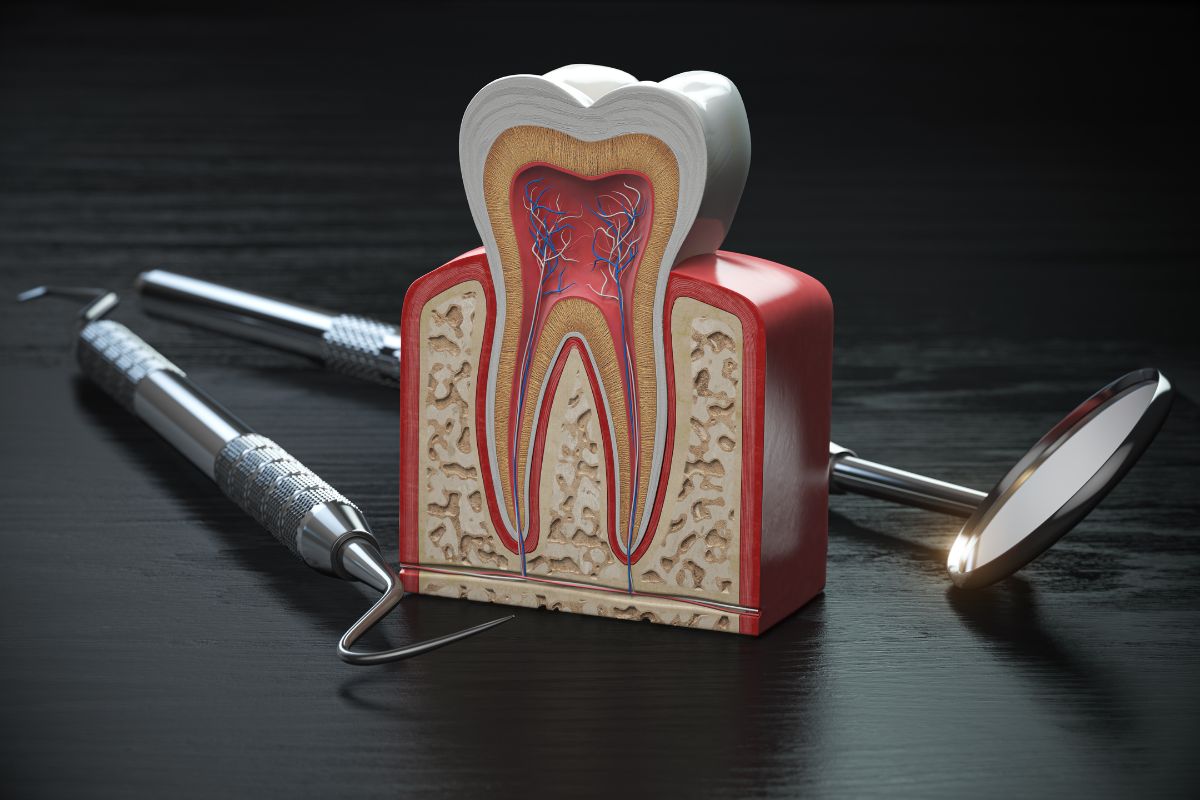
Inside every tooth is soft tissue containing nerves and blood vessels. When bacteria enter this area, inflammation begins developing.
The Infection Expands
Bacteria continue multiplying inside the affected tooth. This process rarely stops without professional intervention.
Pressure Builds
As inflammation increases, pressure develops within the tooth. This often creates sensitivity and discomfort when eating or drinking.
Healthy Structures Become Weaker
Over time, infection can weaken the tissues supporting the tooth. This may affect stability and overall oral health.
Even if symptoms seem manageable, internal damage may continue progressing every day.
Could Nearby Teeth Become the Next Problem?
Many people assume the issue only affects one tooth.
Unfortunately, infections can influence surrounding areas. Nearby gum tissue may become irritated, and neighboring teeth can be exposed to increased bacterial activity.
As inflammation spreads, some patients notice discomfort in areas that previously felt normal. Others experience changes in how their teeth come together when biting.
This is why early treatment is often focused on protecting more than a single tooth. It also helps preserve the health of the surrounding oral structures.
Why Do So Many People Delay Treatment Even When They Know Something Is Wrong?
The reasons are often understandable.
Busy schedules, family obligations, work responsibilities, and social commitments can make it easy to postpone appointments. Many residents spend weekends enjoying the Carmel Arts & Design District, attending local events, visiting Central Park, or participating in community activities year-round.
Life moves quickly.
Others delay care because they fear treatment or hope the problem will resolve on its own.
Unfortunately, infections do not follow the same schedule as our daily lives. While people remain busy, the condition inside the tooth often continues advancing.
What begins as occasional discomfort can become persistent pain before many patients realize how much the situation has changed.
What Happens When an Infection Reaches the Jawbone?
This is one of the more serious consequences of delaying care.
Teeth rely on healthy bone for support. When an infection spreads into deeper areas, it may begin to affect the surrounding bone structure.
Over time, this can contribute to:
- Bone loss
- Reduced support around the tooth
- Increased tooth mobility
- Greater long-term oral health concerns
While not every infection reaches this stage, delaying treatment increases the possibility.
Addressing the issue earlier helps limit the opportunity for infection to spread into these important supporting structures.
Could Delaying Care Put Your Natural Tooth at Risk?
One of the primary goals of modern dentistry is preserving natural teeth whenever possible.
When problems are identified early, dentists often have more opportunities to protect healthy tooth structure. As infections progress, treatment becomes increasingly challenging.
For many patients exploring root canal therapy in Carmel, the goal is not simply to relieve pain. It is preserving a natural tooth that still has the potential to function for many years.
Waiting too long may reduce available options and increase the likelihood of extensive damage.
Protecting a natural tooth today can help support a healthier smile well into the future.
How Can an Ongoing Infection Affect Everyday Life?
Dental problems often affect more than just oral health. Persistent discomfort can make eating less enjoyable. Some people begin avoiding certain foods because chewing becomes uncomfortable.
Sleep quality may also suffer. Throbbing pain often becomes more noticeable during the evening when daily distractions decrease. Work performance, social interactions, and family activities can also become more difficult when discomfort remains unresolved.
Why Is Early Treatment Usually the Easier Path?
Timing matters when it comes to oral health. Seeking care before complications develop often creates a smoother experience and a better outcome.
Benefits of early treatment may include:
- Reduced infection spread
- Improved comfort
- Faster recovery
- Better preservation of tooth structure
- Enhanced long term oral health
Prompt care can often prevent a small concern from becoming a much larger challenge.
For many patients, taking action early ultimately saves time, stress, and unnecessary discomfort.
Your Smile Deserves Attention Before the Situation Escalates
Ignoring a persistent tooth problem rarely makes it disappear. More often, it allows the condition to continue progressing behind the scenes.
At Alvarez Family Dentistry, we believe patients deserve answers before complications develop. Our team takes the time to understand your concerns, identify the source of discomfort, and provide solutions designed to protect your long-term oral health. We focus on helping patients preserve healthy smiles through timely and personalized care.
If you have been experiencing ongoing sensitivity, discomfort, swelling, or signs of infection, now is the right time to take action. We invite you to visit our dental office in Carmel and speak with a team that genuinely cares about your comfort and well-being. Through root canal therapy in Carmel, we help patients address infection, preserve natural teeth, and regain confidence in their oral health. Let our team help you move forward before a small concern becomes a much larger problem.
Frequently Asked Questions (FAQs)
1. How long can an infected tooth go untreated?
An infected tooth can continue deteriorating even when symptoms seem mild. Delaying care increases the risk of infection spreading into surrounding tissues and causing more extensive oral health complications.
2. Can a tooth still be infected if the pain goes away?
Yes. A decrease in pain may occur when the nerve inside the tooth becomes severely damaged, while bacteria remain active and continue affecting surrounding structures.
3. What are the signs that a tooth infection is spreading?
Common signs include facial swelling, persistent pressure, swollen gums, difficulty chewing, and tenderness near the jaw. In some cases, symptoms may extend beyond the immediate area of the tooth.
4. Can an infected tooth affect overall health?
Oral infections can place additional stress on the body’s natural defense systems. When left untreated, bacteria may move beyond the tooth and contribute to broader health concerns.
5. What happens if an abscessed tooth is left untreated?
An abscess typically does not resolve without professional care. The infection may continue to spread into nearby tissues, increasing the likelihood of significant damage and the need for more complex treatment.